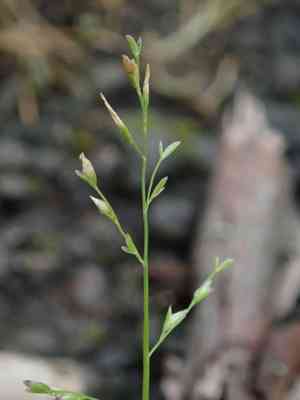
Early meadow grass (Poa infirma)
Also known as: Early Meadow-grass
Early Meadow Grass (Poa infirma) is typically found in coastal regions, thriving in disturbed soils. It is notable for flowering in late winter to early spring, which aligns with its common name. While it can be mistaken for Annual Meadow Grass (Poa annua), there are distinguishing characteristics: Early Meadow Grass has a paler green hue and a more slender form.
In This Article
Attributes of Early meadow grass
Lifespan
Annual
Plant Type
Grass
Plant Height
10 cm to 25 cm
Spread
N/A
Leaf Color
Green
Flower Size
2 cm to 10 cm
Flower Color
White Green Brown
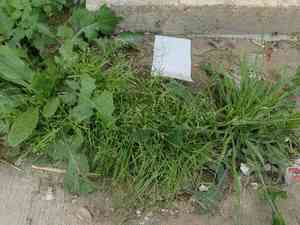
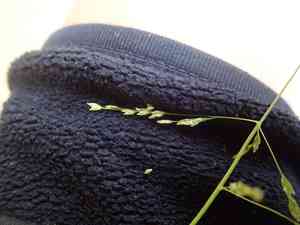
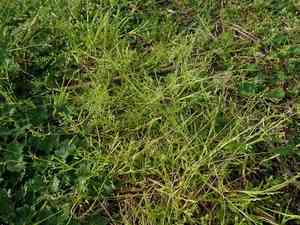
Images of Early meadow grass
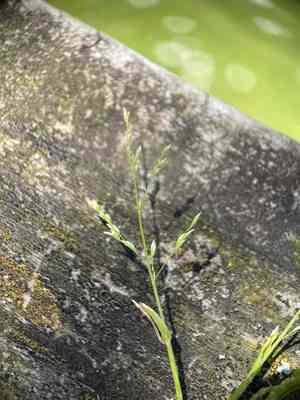
Quickly Identify Early meadow grass
1
Poa infirma can be identified by its small size, with stems that rarely exceed 20 cm in height. The leaves are fine and flat, with a ligule that is membranous. The inflorescence is an open panicle with small spikelets.
Scientific Classification of Early meadow grass
Phylum
Vascular plants
Class
Monocotyledons
Order
Poales
Family
Grass
Genus
Meadow-grasses
Species
Early meadow grass
Planting and Growing of Early meadow grass
Care Difficulty
Easy
Watering Schedule
Every 4 days
Sunlight Requirements
Full sun
Sunshine Duration
4-8 hours
Ideal Temperature
60-75℉
Soil Type
Potting Mix, Peat Mix
Soil pH
6-7.5
Fertilizer Type
Balanced
Pruning Season
Spring, Summer
Pruning Area
Branches, Leaves
Pruning Frequency
2 times a year
Repotting Season
Spring
Pot Type
Plastic, Ceramic
 How to Water Early meadow grass?
For Poa infirma, it is essential to maintain a consistent level of moisture. The watering amount should be around 150 ml once per watering session. This ensures that the plant's roots receive adequate hydration without becoming oversaturated. The goal is to keep the soil lightly moist but never soggy. Observe the topsoil; it should slightly spring back when touched, indicating the ideal moisture level.
What are the symptoms of an underwatered Early meadow grass?
›
What should I do if my Early meadow grass is not getting enough water?
›
What are the symptoms of an overwatered Early meadow grass?
›
How to save an overwatered Early meadow grass?
›
 What Are the Sunlight Requirements for Early meadow grass?
Poa infirma thrives with partial to full sun exposure. Ideal light promotes strong, lush growth and helps maintain the plant's resilience and lush appearance.
What is the ideal light intensity?
›
How to ensure suitable light throughout the year?
›
What are the benefits of optimal lighting?
›
 What Is the Ideal Temperature Range for Early meadow grass?
For Poa infirma, maintaining an ideal temperature range is crucial for optimal growth. Ideally, this grass species thrives between 60°F and 75°F. Temperatures within this range facilitate robust physiological processes, ensuring healthy cellular function and efficient photosynthesis.
 What Soil is Best for Early meadow grass?
Poa infirma thrives in soil with excellent drainage capabilities. Well-draining soil prevents waterlogging, which can lead to root rot. The free movement of water and air also supports healthy root growth and nutrient uptake, essential for this grass species. This grass species flourishes in nutrient-rich soils. Adequate nutrients help in maintaining lush green foliage and support the plant's overall health. Regular addition of organic matter or fertilizers can ensure nutrient availability is met. Poa infirma prefers soil that retains moderate moisture. Sufficient moisture ensures sustained growth but excessive water retention, leading to soggy roots, should be avoided to prevent fungal infections.
 How to Fertilize Early meadow grass?
Poa infirma, also known as early meadow-grass, requires moderate fertilization. Use a balanced fertilizer with a ratio like 10-10-10. Apply a solution of 1 teaspoon per gallon of water when using liquid fertilizer, ensuring not to exceed this to prevent nutrient burn.
 How to Prune Early meadow grass?
Before starting, examine the growth pattern of Poa infirma to understand where trimming is most needed. Look for uneven patches or discolorations, which might indicate where specific attention is required. Prioritize these areas for optimal plant health. Carefully inspect for any dead or diseased parts of the grass. Use your tools to cut and remove these parts to prevent the spread of diseases. Disposing of these clippings away from the garden can help in keeping the surrounding area healthy.
More About Pruning Techniques→
 How to Propagate Early meadow grass plant?
1
Collect mature seeds from Poa infirma in autumn. Before sowing, clean the seeds to remove any chaff or debris to prevent disease and ensure healthy germination.
2
Fill a seed tray with sterile potting mix, place the seeds on the surface, and cover them with a light layer of soil. Keep the soil consistently moist and place the tray in a location with good light exposure.
3
In early spring, dig up mature Poa infirma plants and carefully separate the root clumps. Use a sharp trowel or knife to divide the clumps into smaller sections, ensuring each has roots attached. Replant the divisions at the same depth in well-prepared soil.
 How to Repot Early meadow grass plant?
1
Poa infirma shows signs of needing a repot when it’s visibly outgrowing its current pot, or when its growth starts to slow despite good care. Another indication is roots emerging from the drainage holes. Ideally, select mild temperatures in spring or autumn to minimize transplant shock.
2
Select a pot that’s one size larger than the current one. Ensure it has good drainage holes to prevent waterlogging. Choosing the right pot helps manage moisture levels effectively, ensuring the roots do not sit in water, which could lead to root rot.
3
Opt for well-draining sandy soil, which mimics Poa infirma's natural environment. This type of soil encourages proper drainage and prevents root rot by allowing excess water to escape swiftly, ensuring the roots have adequate aeration.



