How to Transplant Arrow-leaf?
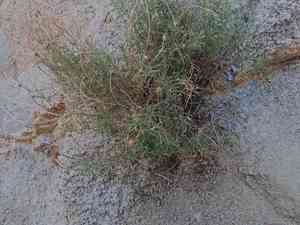
For arrow-leaf, the ideal period for relocation spans from the vibrant stretch of late spring through the initial weeks of summer, or alternatively, from the serene mid-autumn to the close of fall. Place arrow-leaf in an area that receives ample sunlight and possesses soil with good drainage. Bear in mind, delicate handling of the root system guarantees a successful transition.
Essential Preparations Before Relocating Arrow-leaf
Optimal Period for Moving Arrow-leaf?
Relocating arrow-leaf is best done during the mild conditions of early-to-mid spring or when autumn transitions from green to gold. This timing allows arrow-leaf to establish its root system in moderate temperatures, avoiding the stress of extreme heat or cold, ensuring a smooth adjustment. Performing this during these temperate seasons offers your arrow-leaf the ideal chance to flourish, as natural conditions support vigorous growth and post-transplant recovery.
Recommended Spacing Between Arrow-leaf Plants?
Hello, gardening enthusiast! When preparing to move your arrow-leaf, consider providing each plant with sufficient personal space to thrive. Aim to position them approximately 18-24 inches (45-60 cm) apart. This spacing ensures they have ample room to develop and prosper without becoming overcrowded.
Ideal Soil Mixture for Arrow-leaf Relocation?
For arrow-leaf, you'll want to ensure their success by providing the correct base. Select a well-draining soil that is fertile and rich in organic material. Before planting, incorporate a balanced, slow-release fertilizer to give your arrow-leaf a nutrient-rich beginning. This step is crucial for healthy, thriving plants!
Where to Position Your Arrow-leaf?
Now, regarding sun exposure! Arrow-leaf thrives in sunlight, so choose a location where they can receive full sun for most of the day. This sunny spot will help your arrow-leaf grow robustly and produce vibrant foliage. Happy planting!
Tools Required for Arrow-leaf Transplantation
Gardening Gloves
To safeguard your hands while handling soil and plants.
Shovel or Spade
For excavating the plant and preparing the new planting site.
Watering Can or Hose
To hydrate arrow-leaf before and after its relocation.
Pruning Shears
For trimming any dead or damaged roots or leaves.
Wheelbarrow or Tarp
To move arrow-leaf from its original spot to the new location.
Garden Fork
For loosening the soil around arrow-leaf prior to removal.
Measuring Tape
To ensure correct spacing between transplanted individuals.
Method for Extracting Arrow-leaf from the Soil
Method for Extracting Arrow-leaf from the Soil?
From Ground: First, moisten arrow-leaf to dampen the soil. Then, use a garden fork to loosen the soil surrounding the plant. Dig a wide, encompassing trench with a shovel or spade, ensuring the root ball remains intact. Carefully work your tool beneath the root ball and gently lift arrow-leaf from the ground.From Pot: Water arrow-leaf thoroughly, then turn the pot sideways, tap the base, and carefully slide the plant out. Support arrow-leaf's root ball with your hands, being mindful of any stressed or overgrown roots.From Seedling Tray: Prepare a hole before removal. Moisten the soil in the seedling tray, then use a plug tool or similar device to carefully lift each arrow-leaf plant, ensuring minimal root disturbance.
Detailed Steps for Transplanting Arrow-leaf
Prepare the New Location
Excavate a hole slightly larger than arrow-leaf's root ball. Loosen the soil at the base and sides of the hole.
Root Examination and Trimming
Inspect arrow-leaf's root system. Use pruning shears to remove any dead or excessively long roots.
Positioning the Plant
Place arrow-leaf in the center of the new hole. The top of the root ball should be level with the surrounding ground.
Backfill the Hole
Carefully refill the hole with soil, gently firming it around the plant to eliminate any air pockets.
Thorough Watering
Water arrow-leaf deeply after planting to settle the soil and hydrate the roots.
Stabilize the Plant
If arrow-leaf is tall or top-heavy, provide support with stakes and string or plant ties to keep it upright while the roots establish.
Post-Transplantation Care for Arrow-leaf
Monitoring
Regularly check soil moisture and arrow-leaf's condition. Ensure the soil remains moist but not waterlogged.
Mulching
Apply a layer of mulch around arrow-leaf to help retain soil moisture and minimize weed growth.
Support Adjustments
Adjust any stakes or ties if arrow-leaf starts to lean or outgrows its supports, but be gentle to avoid damaging the stem or roots.
Pest and Disease Checks
Watch for pests or signs of disease and address them promptly to maintain arrow-leaf's health.
Resolving Common Issues with Arrow-leaf Transplantation
When is the best time to move arrow-leaf?
The ideal periods for transplanting are late spring to early summer or from mid to late autumn.
What spacing should I use for arrow-leaf when transplanting?
Ensure to space arrow-leaf approximately 18-24 inches (45-60 cm) apart to allow adequate room for growth.
Is soil preparation necessary before moving arrow-leaf?
Absolutely! Enrich the soil with compost or well-rotted manure to provide a nutrient-rich foundation.
How deep should the planting hole be for arrow-leaf?
Dig a hole that is twice as wide and as deep as arrow-leaf's root ball.
What if arrow-leaf wilts after being transplanted?
Provide ample water and shade for a few days to help arrow-leaf recover from transplant shock.
How do I know if arrow-leaf is ready for transplantation?
Arrow-leaf should be robust, with roots that have outgrown its current container, but not overly constricted.
What's the best way to water arrow-leaf after transplanting?
Water deeply immediately after transplanting and keep the soil moist, but not saturated, during the initial weeks.
Why are the leaves of my transplanted arrow-leaf turning yellow?
Yellow leaves can indicate either excessive or insufficient watering, or a nutrient deficiency. Check moisture levels and fertilize as needed.
How can I protect transplanted arrow-leaf from pests?
Inspect regularly and treat with organic pesticides if pest activity is observed. Keep the area free of weeds.
Can I apply mulch around newly transplanted arrow-leaf?
Yes, mulching helps retain soil moisture, suppress weeds, and regulate soil temperature around arrow-leaf.



