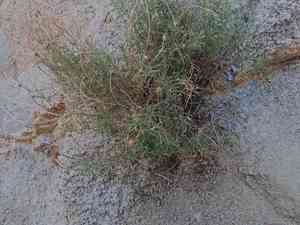
Arrow-leaf (Pleurocoronis pluriseta)
Also known as: chisel threadleaf, Pleurocoronis threadleaf
Arrowleaf Balsamroot (Balsamorhiza sagittata) is a perennial herb known for its distinctive, large, arrowhead-shaped leaves. This plant thrives in dry, open areas such as grasslands and foothills, rather than damp locations. It typically blooms once a year, with its bright yellow, sunflower-like flowers appearing in late spring to early summer, from April to June. The leaves are covered in fine hairs, giving them a silvery-gray appearance. Arrowleaf Balsamroot can reach heights of 2 to 3 feet and is well-adapted to arid environments.
In This Article
Attributes of Arrow-leaf
Lifespan
Perennial
Plant Type
Shrub
Plant Height
50 cm
Spread
Approximately 1 to 2 feet (30 to 60 cm)
Leaf Color
Green to gray-green
Flower Size
1 cm
Flower Color
Yellow Green Purple Red Brown
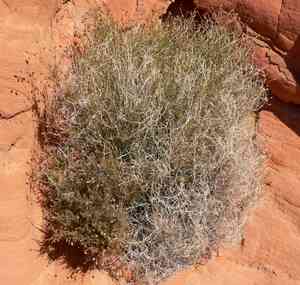
Images of Arrow-leaf
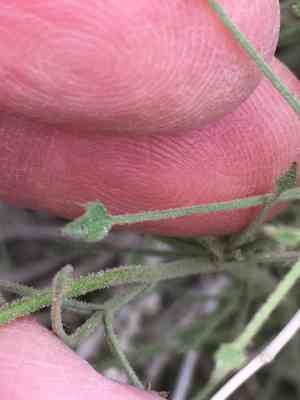
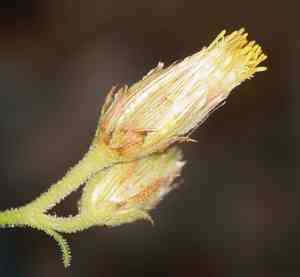
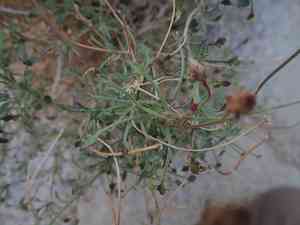
Quickly Identify Arrow-leaf
1
To identify Pleurocoronis pluriseta, look for its narrowly linear leaves that are often toothed or lobed near the tips, and its small yellow flower heads arranged in loose clusters.
Scientific Classification of Arrow-leaf
Phylum
Vascular plants
Class
Dicotyledons
Order
Asterales
Family
Daisy
Genus
Pleurocoronis
Species
Arrow-leaf
Planting and Growing of Arrow-leaf
Care Difficulty
Easy
Watering Schedule
Every 2 days
Sunlight Requirements
Full sun
Sunshine Duration
4-8 hours
Ideal Temperature
65-75℉
Soil Type
Potting Mix, Peat Mix
Soil pH
6.5-7.5
Fertilizer Type
Balanced
Pruning Season
Spring, Summer
Pruning Area
Branches, Leaves
Pruning Frequency
2 times a year
Repotting Season
Spring
Pot Type
Plastic, Terracotta
 How to Water Arrow-leaf?
For Pleurocoronis pluriseta, ensure the soil is thoroughly moist but not waterlogged. The ideal watering amount is approximately 250 milliliters per session, which should be enough to allow water to permeate the soil down to the root level without leaving excess water in the tray. Always let the top layer of soil dry out before the next watering session.
What are the symptoms of an underwatered Arrow-leaf?
›
What should I do if my Arrow-leaf is not getting enough water?
›
What are the symptoms of an overwatered Arrow-leaf?
›
How to save an overwatered Arrow-leaf?
›
 What Are the Sunlight Requirements for Arrow-leaf?
Pleurocoronis pluriseta flourishes with partial to full sun exposure. Adequate light ensures robust growth, vibrant foliage, and prolific flowering, enhancing its natural beauty and sustaining its health.
How much light does Pleurocoronis pluriseta need?
›
What if my plant doesn't get enough sunlight?
›
What are the benefits of ideal lighting for this plant?
›
 What Is the Ideal Temperature Range for Arrow-leaf?
Pleurocoronis pluriseta thrives in environments where the temperature remains consistently between 65°F and 75°F. This range ensures sufficient warmth without the risk of overheating, enabling optimal growth and development of the plant's foliage and flowering processes.
 What Soil is Best for Arrow-leaf?
Pleurocoronis pluriseta thrives in nutrient-rich soil that provides essential minerals for growth. Maintaining such soil ensures that the plant develops vibrant foliage and robust root systems, which are crucial for its overall health. This plant excels in well-drained soil to prevent root rot. Ensuring proper drainage allows for optimal root aeration, promoting healthy growth and preventing waterlogged conditions, which can hinder plant development. The soil should have moderate moisture retention to sustain the plant without causing excess water stress. This balance helps Pleurocoronis pluriseta adapt to varying conditions and boosts its resilience during dry spells.
 How to Fertilize Arrow-leaf?
For Pleurocoronis pluriseta, apply liquid fertilizer at a half-strength rate to avoid nutrient burn and ensure proper absorption. When using slow-release fertilizer, use about two tablespoons per plant, ensuring even distribution around the base.
 How to Prune Arrow-leaf?
Start by identifying the main structural branches of your Pleurocoronis pluriseta. Trim away any wayward or overlapping branches to define the shape. Always cut just above a node to encourage new growth. Carefully inspect the plant for any dead or diseased branches. Cut these back to the base to allow more energy for healthy parts of the plant. Ensure all cuts are clean and angled slightly downwards to promote proper healing. After the plant has bloomed, gently prune back spent flowers to the first set of healthy leaves. This process, known as deadheading, is essential to direct energy towards producing new buds and blooms.
More About Pruning Techniques→
 How to Propagate Arrow-leaf plant?
1
Begin by collecting mature seeds from the plant. Soak them in water overnight to improve germination rates. Plant the seeds in seed trays filled with a well-draining potting mix, cover them lightly, and keep the tray in a warm, bright spot.
2
Select a healthy, non-flowering stem from the parent plant. Using pruning shears, cut a 4-6 inch section below a node. Remove the lower leaves and dip the cut end in rooting hormone to encourage root development.
3
Place cuttings in a pot with a mix of sand and peat moss, and cover them with a plastic bag to maintain humidity. Ensure they receive indirect sunlight and keep the soil consistently moist but not soggy.
 How to Repot Arrow-leaf plant?
1
Pleurocoronis pluriseta, a desert shrub, shows the need for repotting when roots start peeping from the drainage holes and growth seems stunted. Spring and early summer are ideal, as new growth offers a robust recovery opportunity.
2
Select a pot that is only slightly larger than the current one, with ample drainage holes. This size prevents waterlogging and encourages healthy root systems by providing just enough space for growth without overwhelming the plant.
3
Opt for a well-draining cactus mix with sand or perlite. This soil type mimics Pleurocoronis pluriseta's natural habitat, promoting good aeration and preventing root rot by allowing excess water to escape easily.
Learn More About Arrow-leaf Diseases
Bacterial Leaf Spot
Bacterial Soft Rot
Bacterial Wilt
Chemical Injury
Crown Gall
Cyst Nematode
Damping-off
Drought Stress
Fusarium Wilt
Gray Mold
Leaf Spot
Mosaic
Nutrient Deficiency
Nutrient Toxicity
Powdery Mildew
Root Rot
Root-knot Nematode
Sooty Mold
Spider Mites
Temperature Stress
Thrips Damage
White Mold



