How to Transplant Toothed Plagiomnium Moss?
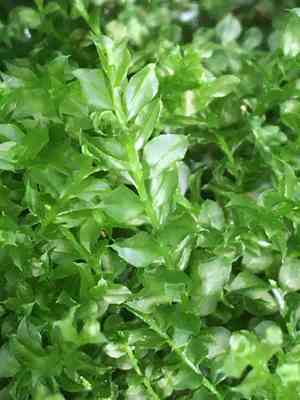
The ideal period for transplanting toothed Plagiomnium Moss is mid-spring, capitalizing on peak growth circumstances. Select shaded, damp environments to emulate its native setting, and careful manipulation is crucial to safeguard fragile root systems.
Essential Preparations Before Relocating Toothed Plagiomnium Moss?
Optimal Period for Relocating Toothed Plagiomnium Moss?
The best time for relocating toothed Plagiomnium Moss is from mid to late spring, as this period provides a mild environment conducive to root development. Moving toothed Plagiomnium Moss during this season ensures that the damp, temperate weather conditions support its growth, avoiding the harsh extremes of summer and winter. By transplanting within this timeframe, you're giving toothed Plagiomnium Moss the best possible start to establish a strong root system before the summer heat or winter dormancy. Trust this season, and toothed Plagiomnium Moss will flourish beautifully.
Recommended Spacing Between Toothed Plagiomnium Moss Plants?
Allow approximately 1-2 inches (2.5-5 cm) of space for each toothed Plagiomnium Moss. This spacing provides ample room for each toothed Plagiomnium Moss to expand without overcrowding others.
Ideal Soil Blend for Toothed Plagiomnium Moss Relocation?
Your toothed Plagiomnium Moss requires a rich soil, preferably a peat-based mixture. For preparation, enrich the soil with a slow-release granular fertilizer. This ensures sustained nutrient availability for the plant.
Preferred New Location for Your Toothed Plagiomnium Moss?
For your toothed Plagiomnium Moss, select a spot that receives partial to full shade. It does not tolerate direct sunlight, so a shaded area in your garden will promote optimal growth.
Tools Required Before Relocating Toothed Plagiomnium Moss?
Gardening Gloves
To safeguard your hands from the rough textures of moss and soil.
Small Garden Fork
Perfect for gently lifting and separating the delicate moss from its original spot.
Trowel or Small Shovel
Used for excavating an appropriate transplanting hole.
Spray Bottle
To maintain the moss's hydration throughout the relocation process.
Organic Peat Moss
Crucial for preserving the moisture and acidity levels necessary for toothed Plagiomnium Moss.
How to Extract Toothed Plagiomnium Moss from the Soil?
How to Extract Toothed Plagiomnium Moss from the Soil?
From the Ground: Start by hydrating the toothed Plagiomnium Moss to keep it moist. Then, use a small garden fork to carefully lift the moss, ensuring the entire plant remains intact. Moss grows in a mat-like formation, so it should ideally be moved as a single unit. From a Pot: First, thoroughly water the moss. Gently loosen the moss's edges from the pot using the garden fork and lift it out, keeping the moss mat whole. If the moss doesn't come out easily, tilt the pot on its side and lightly tap the base. From a Seedling Tray: Moisten the toothed Plagiomnium Moss first. Carefully lift each moss seedling with the fork, again, ensuring the entire plant is removed in one piece.
Detailed Guide for Relocating Toothed Plagiomnium Moss
Location Selection
Choose a site that is protected from heavy foot traffic, as stepping on the toothed Plagiomnium Moss can cause damage.
Hole Preparation
Dig a shallow hole using the trowel or small shovel. The hole should correspond to the size of the moss patch you are relocating.
Relocation
Place the toothed Plagiomnium Moss into the hole, ensuring a comfortable fit. Firmly press the edges of the moss into the soil to guarantee full contact with its new environment.
Watering
Keep the moss moist by misting it with water. Avoid overwatering the area to prevent the moss from dislodging.
Post-Relocation Care for Toothed Plagiomnium Moss?
Consistent Moisture
Mosses, including the toothed Plagiomnium Moss, thrive in damp conditions. Use your spray bottle to frequently mist the relocated plant, especially in the initial days after the move. Prevent it from drying out.
Monitoring
Observe the toothed Plagiomnium Moss to see how it's adapting to its new spot. If you notice yellowing or browning areas, it might require more consistent moisture or a potential move to a more suitable location.
Trimming
If toothed Plagiomnium Moss begins to excessively spread beyond its designated area, feel free to trim it back. Trimming will not only maintain its shape but also encourage the development of denser moss patches.
Addressing Common Issues with Toothed Plagiomnium Moss Relocation.
When is the best time to relocate toothed Plagiomnium Moss?
Toothed Plagiomnium Moss thrives when relocated during late spring to early summer (S2-S3). Just remember to avoid the hottest part of the day.
What spacing should I use for toothed Plagiomnium Moss?
Maintain a distance of about 1-2 inches (2.5-5 cm) between toothed Plagiomnium Moss plants when planting. This will provide each plant with sufficient room for healthy growth.
Should toothed Plagiomnium Moss be fully covered by soil during relocation?
No, toothed Plagiomnium Moss prefers its stem to be partially exposed. Burying it completely can lead to root rot.
What kind of soil does toothed Plagiomnium Moss prefer during relocation?
Toothed Plagiomnium Moss flourishes in moist, yet well-draining soil. It prefers slightly acidic soil, but can tolerate a range of pH levels.
What if the leaves of toothed Plagiomnium Moss turn yellow after relocation?
Yellow leaves might indicate overwatering. Check the moisture level before watering. Remember, toothed Plagiomnium Moss needs well-drained, moist soil, not waterlogged conditions.
What care should be taken if toothed Plagiomnium Moss wilts after relocation?
Don't worry, minor wilting after relocation is normal. Keep the soil moist and avoid direct sunlight for a week. The plant should recover shortly.
How to ensure successful relocation of toothed Plagiomnium Moss?
Before relocating, water toothed Plagiomnium Moss thoroughly. Dig a hole slightly larger than the root ball in your new location and gently place toothed Plagiomnium Moss inside.
What should I do if growth of toothed Plagiomnium Moss seems stunted after relocation?
Toothed Plagiomnium Moss might need more time to adjust. However, check if the plant is receiving adequate water and proper nutrients from the soil.
If I relocate toothed Plagiomnium Moss indoors, how much light does it need?
Toothed Plagiomnium Moss thrives in low to medium indoor light. It definitely requires some illumination, but it shouldn't be direct or too intense.
Can toothed Plagiomnium Moss be relocated in a pot?
Absolutely! You can plant toothed Plagiomnium Moss in a pot. Ensure the pot has good drainage and is filled with a suitable soil mix.



