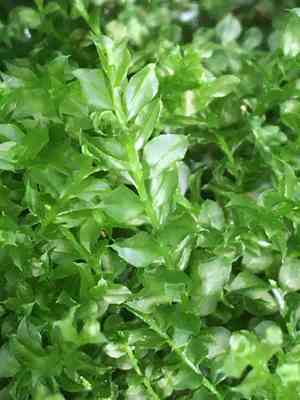
Toothed Plagiomnium Moss (Plagiomnium cuspidatum)
Also known as: Baby Tooth Moss
Toothed Plagiomnium Moss (Plagiomnium cuspidatum) typically thrives in damp environments such as wet meadows, lush peatlands, and forested areas. It prefers cool climates with partial sunlight to light shade and grows well in moist, well-drained soils. Its fern-like foliage is frequently utilized by birds and salamanders for nesting material.
In This Article
Attributes of Toothed Plagiomnium Moss
Lifespan
Perennial
Plant Type
Moss
Plant Height
4 cm
Spread
Does not apply; moss does not have a crown.
Leaf Color
Bright green
Flower Size
Does not produce flowers; mosses reproduce via spores.
Flower Color
Does not apply; mosses do not produce flowers.
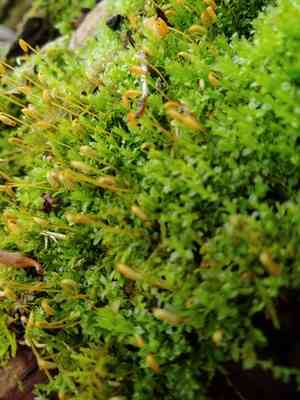
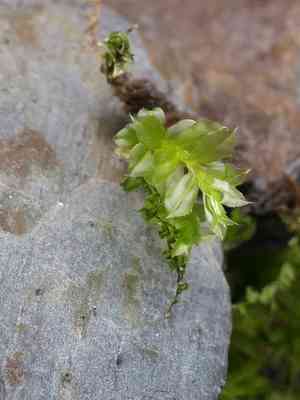
Images of Toothed Plagiomnium Moss
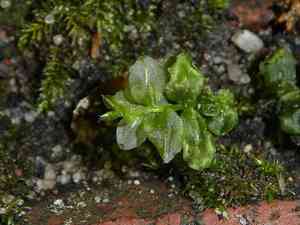
Quickly Identify Toothed Plagiomnium Moss
1
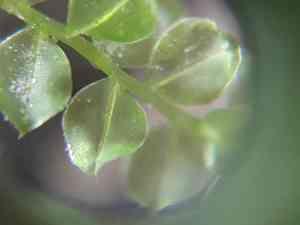
Identification of Plagiomnium cuspidatum can be done by observing its broad, lance-shaped leaves that have a toothed margin and a distinct vein running down the center. The leaves are arranged in a characteristic rosette pattern at the tips of the stems.
Scientific Classification of Toothed Plagiomnium Moss
Phylum
Mosses
Class
True mosses
Order
Bryales
Family
Mniaceae
Genus
Plagiomnium mosses
Species
Toothed Plagiomnium Moss
Planting and Growing of Toothed Plagiomnium Moss
Care Difficulty
Easy
Watering Schedule
Every 3 days
Sunlight Requirements
Partial sun
Sunshine Duration
4-8 hours
Ideal Temperature
50-65℉
Soil Type
Potting Mix, Peat Mix
Soil pH
6-7.5
Fertilizer Type
Balanced
Pruning Season
Spring, Summer
Pruning Area
Branches, Leaves
Pruning Frequency
2 times a year
Repotting Season
Spring
Pot Type
Plastic, Ceramic
 How to Water Toothed Plagiomnium Moss?
For Plagiomnium cuspidatum, water it thoroughly so that the soil is evenly moist but not soggy. Approximately 250 milliliters per session is adequate for even distribution without saturating the soil. Ensure excess water drains well to avoid stagnant conditions.
What are the symptoms of an underwatered Toothed Plagiomnium Moss?
›
What should I do if my Toothed Plagiomnium Moss is not getting enough water?
›
What are the symptoms of an overwatered Toothed Plagiomnium Moss?
›
How to save an overwatered Toothed Plagiomnium Moss?
›
 What Are the Sunlight Requirements for Toothed Plagiomnium Moss?
Plagiomnium cuspidatum thrives best in partial sun to full shade conditions. Ideal light helps maintain a lush appearance with robust, dark green foliage, optimizing its growth and natural adaptations.
What is the best light setting for Plagiomnium cuspidatum?
›
How can I achieve ideal lighting for this plant?
›
What are the benefits of Plagiomnium cuspidatum receiving ideal light?
›
 What Is the Ideal Temperature Range for Toothed Plagiomnium Moss?
Plagiomnium cuspidatum thrives best in cool and temperate climates. An ideal temperature range for growth would be between 50°F and 65°F. Within this range, the plant can carry out its physiological processes efficiently, leading to robust growth and vibrant green coloration. This temperature range also helps in maintaining the moisture levels, crucial for its mossy structure. Outside the ideal range, the plant may still survive but may not exhibit optimal growth characteristics.
 What Soil is Best for Toothed Plagiomnium Moss?
Plagiomnium cuspidatum thrives in soils that can retain moisture without being waterlogged. This helps ensure consistent hydration, crucial for optimal growth, mirroring its natural forest floor habitat where dampness prevails. The plant prefers nutrient-rich soils that provide essential minerals and organic matter. This enhances its growth rate and vivid green coloration, imitating the nutrient-dense soils found in its native environment. Good soil drainage is essential to prevent root rot and other water-related issues. This balance allows the plant to access water and nutrients efficiently without risk of over-saturation.
 How to Fertilize Toothed Plagiomnium Moss?
The recommended fertilizer dosage for Plagiomnium cuspidatum is relatively light. Use a diluted liquid fertilizer solution at quarter strength to avoid over-fertilization, which can harm the moss. A balanced water-soluble fertilizer with equal parts of nitrogen, phosphorus, and potassium is ideal.
 How to Prune Toothed Plagiomnium Moss?
Begin by carefully examining the Plagiomnium cuspidatum for dead or damaged parts. These areas can be safely removed to make way for new growth. Look for brown or faded segments that indicate dead tissue. Using sharp, clean scissors or pruners, make precise cuts just above the healthy part of the shoot. By cutting at this point, you encourage the plant to fill out and grow more robustly. Prune selectively to encourage bushier growth. This involves making strategic cuts throughout the plant to prompt side growth, helping the moss to fill in more densely and create a lush ground cover.
 How to Propagate Toothed Plagiomnium Moss plant?
1
Choose a Plagiomnium cuspidatum plant that shows healthy, vigorous growth for division. A robust plant increases the likelihood of successful propagation. Avoid plants with signs of disease or stress to ensure optimal results.
2
Gently separate the plant into smaller sections, ensuring each section has at least a few shoots and roots. Take care not to damage the roots excessively during the process to promote successful establishment.
3
Plant each divided section into appropriately moist potting soil. Water well after planting, and position them in an area with indirect sunlight to minimize stress during the initial recovery period.
 How to Repot Toothed Plagiomnium Moss plant?
1
Plagiomnium cuspidatum shows signs it needs repotting when it becomes root-bound, evident by roots protruding from the drainage holes. Additionally, if the plant slows in growth despite adequate care, suspect a lack of space or soil nutrients.
2
Select a pot slightly larger than the current one with good drainage holes. This ensures that excess water can escape, preventing root rot. A terra cotta pot is beneficial as it allows air circulation to the roots, reducing the risk of overwatering.
3
Opt for a loamy, well-draining soil mix. This kind of soil retains enough moisture while draining excess water, thus providing the roots a balanced environment and reducing waterlogging risks.



