How to Transplant Pacific popcornflower?
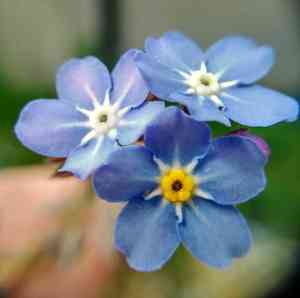
Pacific popcornflower flourishes when relocated in mid-spring. Select a bright, adequately drained spot to replicate its natural environment. For peak performance, strive to uphold steady hydration without oversaturation.
What Preparations are Needed Before Transplanting Pacific Popcornflower?
What is the Ideal Time for Transplanting Pacific Popcornflower?
The best period to move pacific popcornflower is from mid-spring through early summer. Relocating during this timeframe benefits from moderate temperatures and increased sunlight, promoting robust root development. These conditions enhance the plant's ability to establish quickly and flourish, ensuring strong growth throughout its life.
How Much Space Should You Leave Between Pacific Popcornflower Plants?
When relocating pacific popcornflower, ensure each plant is spaced 12-18 inches (30-45 cm) apart. This provides ample room for growth without crowding, which supports healthy development and minimizes disease risk.
What is the Best Soil Mix for Pacific Popcornflower Transplanting?
Prepare well-draining soil for pacific popcornflower. It prefers loamy or sandy soil. Before moving, incorporate a balanced base fertilizer to supply essential nutrients. An ideal mix contains equal parts nitrogen, phosphorus, and potassium.
Where Should You Relocate Your Pacific Popcornflower?
Select a sunny spot for transplanting pacific popcornflower. This plant thrives in full sunlight, meaning it needs at least 6-8 hours of direct sun daily. Avoid shaded areas to ensure optimal growth.
What Equipments Should You Prepare Before Transplantation Pacific Popcornflower?
Gardening Gloves
To safeguard your hands while handling soil and plants.
Trowel
For digging small holes and moving young plants.
Spade or Shovel
To excavate and lift the plant from its original spot.
Watering Can
For hydrating the plant and the surrounding soil.
Garden Fork
To aerate soil around the new planting site and roots.
Mulch
To help retain moisture and prevent weed growth after relocation.
A Bucket
To transport the plant and some soil if necessary.
How Do You Remove Pacific Popcornflower from the Soil?
How Do You Remove Pacific Popcornflower from the Soil?
From Ground: First, moisten the pacific popcornflower plant to dampen the soil. Then, use a spade or shovel to dig a wide trench around the plant, ensuring the root ball stays intact. Work the spade beneath the root ball and carefully lift the plant from the ground.From Pot: Water the pacific popcornflower plant thoroughly. Gently squeeze the pot's sides to loosen the soil, then invert the pot while supporting the plant with your other hand. Carefully ease the plant out, keeping the root ball whole.From Seedling Tray: Water the pacific popcornflower seedlings evenly before removal. Use a trowel or your fingers to gently lift each seedling from the tray, ensuring the root ball remains intact.
Step-by-Step Guide for Transplanting Pacific Popcornflower
Digging the Hole
Excavate a hole at the new site that is twice as wide and the same depth as the root ball of your pacific popcornflower plant.
Loosening Soil
Use a garden fork to loosen the soil at the base of the hole, promoting better root penetration and development.
Placing the Plant
Gently position the pacific popcornflower plant into the hole, ensuring the top of the root ball is level with the surrounding ground.
Filling the Hole
Backfill the hole with soil, gently pressing it down to eliminate air pockets and secure the plant in its new spot.
Watering
Water the relocated pacific popcornflower thoroughly to help settle the soil around the roots and provide initial hydration.
How Do You Care For Pacific Popcornflower After Transplanting?
Watering
Keep the soil around the pacific popcornflower consistently moist, but not waterlogged, for the first few weeks after transplanting to aid in strong root establishment.
Mulching
Apply a layer of mulch around the base of the pacific popcornflower to retain moisture, stabilize soil temperature, and reduce weed competition.
Monitoring
Regularly inspect the pacific popcornflower for signs of transplant shock, such as wilting or yellowing leaves, and provide extra care as needed.
Protection
If harsh weather is anticipated, consider using garden fabric or temporary fencing to shield the young plant.
Troubleshooting Common Issues with Pacific Popcornflower Transplantation.
When is the optimal time to transplant pacific popcornflower?
Relocate pacific popcornflower between mid-spring and early summer for the best outcomes.
How much space should I leave between each pacific popcornflower plant?
Ensure each pacific popcornflower plant is spaced approximately 12-18 inches (30-45 cm) apart for adequate growth.
How should I prepare the soil before transplanting pacific popcornflower?
Loosen the soil to about 6 inches (15 cm) deep and incorporate compost for nutrients.
What should the soil pH be when transplanting pacific popcornflower?
Aim for a soil pH between 6.0 and 7.5 for healthy pacific popcornflower development.
Can I transplant pacific popcornflower during hot weather?
Avoid moving pacific popcornflower in extremely hot conditions to prevent plant shock and dehydration.
How should I water pacific popcornflower after transplanting?
Water pacific popcornflower thoroughly after relocation, ensuring the soil stays moist but not saturated.
What type of container should I use for transplanting pacific popcornflower?
Use containers with good drainage and a minimum depth of 4 inches (10 cm).
How can I reduce transplant shock for pacific popcornflower?
Acclimate pacific popcornflower to its new location by gradually increasing exposure to the new environment over a week.
Is it necessary to prune pacific popcornflower before transplanting?
Slightly trimming the roots can encourage new growth but is not always essential for pacific popcornflower.
What should I do if pacific popcornflower shows signs of wilting after transplanting?
Ensure proper watering and consider providing temporary shade to help pacific popcornflower recover from transplant shock.



