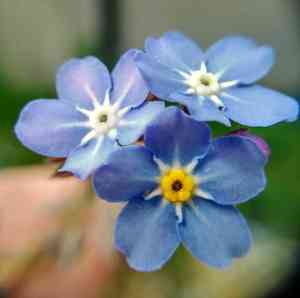
Pacific popcornflower (Plagiobothrys tenellus)
Also known as: Harvester's Fringepod
The Pacific popcornflower is a delicate annual herb that thrives in moist, coastal environments. It often grows in wet meadows, marshes, and along stream edges, favoring open spaces that can range from sunny to partially shaded areas. This plant is recognized for its small white flowers and fine-textured foliage, displaying resilience in diverse light conditions.
In This Article
Attributes of Pacific popcornflower
Lifespan
Annual
Plant Type
Herb
Plant Height
5 cm to 13 cm
Spread
20-30 cm
Leaf Color
Green
Flower Size
0.5-1 cm
Flower Color
White
Images of Pacific popcornflower
Quickly Identify Pacific popcornflower
1
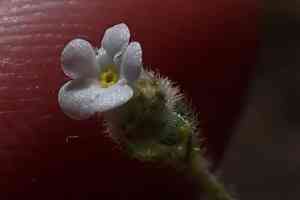
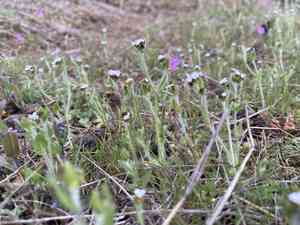
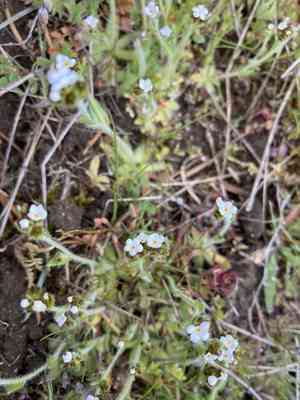
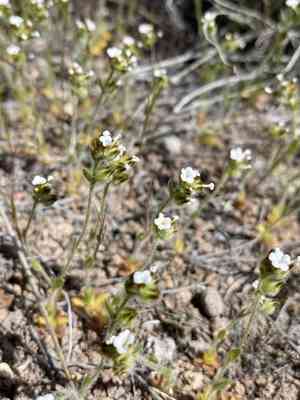
Plagiobothrys tenellus can be identified by its small white flowers, hairy stems, and elliptical to linear leaves. The flowers are usually clustered and have five petals.
Scientific Classification of Pacific popcornflower
Phylum
Vascular plants
Class
Dicotyledons
Order
Boraginales
Family
Borage
Genus
Popcorn flower
Species
Pacific popcornflower
Planting and Growing of Pacific popcornflower
Care Difficulty
Moderate
Watering Schedule
Every 2 days
Sunlight Requirements
Full sun
Sunshine Duration
4-8 hours
Ideal Temperature
60-70℉
Soil Type
Potting Mix, Peat Mix
Soil pH
6.5-7.5
Fertilizer Type
Balanced
Pruning Season
Spring, Summer
Pruning Area
Branches, Leaves
Pruning Frequency
2 times a year
Repotting Season
Spring
Pot Type
Plastic, Terracotta
 How to Water Pacific popcornflower?
For Plagiobothrys tenellus, each watering session should provide approximately 150 milliliters to keep the soil consistently moist. Ensure that the water reaches the root zone, but does not oversaturate the soil, which could lead to root rot.
What are the symptoms of an underwatered Pacific popcornflower?
›
What should I do if my Pacific popcornflower is not getting enough water?
›
What are the symptoms of an overwatered Pacific popcornflower?
›
How to save an overwatered Pacific popcornflower?
›
 What Are the Sunlight Requirements for Pacific popcornflower?
For optimal growth, Plagiobothrys tenellus prefers full sun to partial sun conditions. This range ensures that the plant receives enough energy through photosynthesis, enhancing its growth and flowering potential.
What is the Best Lighting for Plagiobothrys tenellus?
›
How to Achieve Ideal Lighting?
›
What are the Benefits of Ideal Lighting?
›
 What Is the Ideal Temperature Range for Pacific popcornflower?
For Plagiobothrys tenellus, maintaining an ideal temperature range is crucial for its metabolic processes and overall health. Temperatures between 60°F and 70°F ensure that enzymatic reactions proceed at optimal rates, facilitating proper growth and development.
 What Soil is Best for Pacific popcornflower?
Plagiobothrys tenellus thrives in well-drained soil, which prevents waterlogging and root rot. This soil feature ensures the plant's roots receive adequate oxygen and helps in nutrient absorption, promoting healthy growth. This plant prefers soil with moderate nutrient levels. Too rich in nutrients can lead to excessive foliar growth at the expense of flowering. A balanced nutrient profile supports steady growth and enhances the plant's blooming potential. The preference for sandy-textured soils helps facilitate proper water drainage and aeration. This texture minimizes root issues and provides a stable medium that allows Plagiobothrys tenellus to establish robust root systems.
 How to Fertilize Pacific popcornflower?
For Plagiobothrys tenellus, a balanced and light application is vital. Use approximately 1/4 to 1/2 of the recommended dose on the fertilizer package. This helps prevent nutrient burn while providing essential nutrients.
 How to Prune Pacific popcornflower?
Plagiobothrys tenellus is known for its delicate stems and small leaves. Begin by examining the plant's natural growth habit. Look for any stems that appear weak, dead, or diseased, as these should be the first to remove to maintain plant health. Focus on cutting back straggly or overgrown stems to maintain the plant's aesthetic. Trim the stems back to a lateral branch or just above a node or leaf set, as this will encourage new, bushy growth.
More About Pruning Techniques→
 How to Propagate Pacific popcornflower plant?
1
Fill seed trays with a well-draining soil mix, ensuring each section is filled but not overly compacted to allow root development. Moisten the soil lightly to prepare it for seed planting.
2
Place the Plagiobothrys tenellus seeds evenly in each compartment of the tray. Cover them lightly with the soil mix, just enough to ensure they are secured in place but not buried too deeply.
3
Position the seed trays in a location with ample sunlight or under grow lights. Maintain consistent moisture by lightly watering the soil, ensuring it remains damp but not waterlogged to avoid seed rot.
 How to Repot Pacific popcornflower plant?
1
Plagiobothrys tenellus shows signs it needs repotting when its roots start to circle the pot, or if you notice the growth slowing despite regular care. If you see roots coming out of the drainage holes or the plant appears stressed despite adequate watering, it is time to consider a new pot.
2
When selecting a new pot for Plagiobothrys tenellus, go for one that is one to two inches larger in diameter than the current pot. Make sure it has ample drainage holes to prevent waterlogging. Using terracotta or clay pots can aid in soil aeration, which is beneficial for this plant's root health.
3
Opt for a well-draining sandy potting mix for repotting Plagiobothrys tenellus. This type of soil provides excellent drainage and prevents the roots from becoming waterlogged. The sandy composition mimics their natural habitat, promoting healthier growth and reducing the risk of root rot.



