How to Transplant Daggerpod?
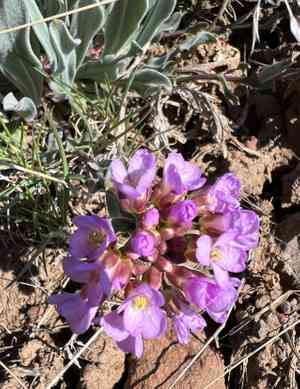
Relocate daggerpod as late winter's chill recedes and spring indications appear, facilitating superior root development. Select a location receiving ample sunlight and possessing good drainage. Gradually introduce daggerpod to its new surroundings for peak performance.
What Preparations are Needed Before Transplanting Daggerpod?
What is the Ideal Time for Transplanting Daggerpod?
For daggerpod, the period from early spring's awakening to mid-spring's gentle embrace is prime for relocation, offering a mix of cool soil and warming air perfect for root establishment. Moving daggerpod during this time ensures a smooth transition, promoting robust future growth. This timing aligns perfectly with daggerpod's life cycle, allowing ample root development before summer's heat, setting the stage for a lush, vibrant display.
How Much Space Should You Leave Between Daggerpod Plants?
Let's begin by giving our daggerpod ample room to flourish! When relocating, aim for approximately 6-8 inches (15-20 cm) of space between individual plants. This spacing will facilitate generous growth and proper air circulation, helping your daggerpod establish itself successfully.
What is the Best Soil Mix for Daggerpod Transplanting?
Your daggerpod will thrive in well-draining soil, such as sandy or loamy types. Think of it as preparing a comfortable bed: incorporate some organic compost or a slow-release fertilizer to provide your plant with a nutritional boost. This nourishment will aid in developing strong roots.
Where Should You Relocate Your Daggerpod?
Sunshine is a vital ally for daggerpod! Select a location that receives full sunlight for at least 6 hours daily. A bright, sunny spot will help your daggerpod flourish and bloom, absorbing the sun's energy for its growth.
What Equipments Should You Prepare Before Transplantation Daggerpod?
Gardening Gloves
To safeguard your hands while handling soil and daggerpod.
Spade or Shovel
For excavating and lifting the daggerpod from its original position.
Garden Trowel
To refine the transplant hole and assist in moving smaller specimens.
Watering Can or Hose
To hydrate the daggerpod before and after the transplanting process.
Pruners
For trimming any damaged roots or foliage.
Measuring Tape
To ensure correct spacing between newly transplanted daggerpod plants.
Wheelbarrow or Garden Cart
To transport the daggerpod from one location to another, if needed.
How Do You Remove Daggerpod from the Soil?
How Do You Remove Daggerpod from the Soil?
From Ground: First, moisten the daggerpod plant to dampen the soil. Next, dig a wide trench around the plant using a shovel or spade, ensuring the plant's root ball remains intact. Carefully work the spade beneath the root ball to lift the plant from its initial spot.From Pot: Water the daggerpod thoroughly beforehand. Tilt the pot sideways and gently tap or squeeze its sides to loosen the root ball. Carefully slide the daggerpod out while supporting the stem and root ball with your hands.From Seedling Tray: Moisten the soil in the tray to facilitate easier removal. Use a garden trowel or your fingers to gently lift the daggerpod seedlings from their cells, ensuring you preserve as much of the root system as possible.
Step-by-Step Guide for Transplanting Daggerpod
Plan the Transplant
Choose a cool, overcast day to minimize stress on the daggerpod.
Prepare the New Site
Dig a hole twice as wide and the same depth as the daggerpod's root ball.
Plant Health Evaluation
Inspect the daggerpod for any signs of disease or pests and address them before proceeding.
Root Preparation
If root-bound, gently untangle the roots. If roots are sparse, trim them slightly to encourage new growth.
Positioning
Place the daggerpod in the center of the new hole. The top of the root ball should be level with the surrounding soil.
Refilling the Hole
Backfill the hole with soil, gently firming it down without over-compacting it around the daggerpod.
Watering
Water the daggerpod generously after planting to settle the soil and remove air pockets.
Mulching
Apply a layer of mulch around the daggerpod, keeping it away from the stem to deter pests and maintain soil moisture.
How Do You Care For Daggerpod After Transplanting?
Support
Use stakes if the daggerpod is tall or unstable post-transplant, to help it remain upright.
Monitoring Growth
Observe the daggerpod for indications of new growth, which signals successful transplanting.
Adjust Watering
Water the daggerpod as needed, considering weather conditions and soil moisture, to keep it healthy during establishment.
Pruning
Trim any dead or dying foliage to redirect the daggerpod's energy towards root and leaf development.
Troubleshooting Common Issues with Daggerpod Transplantation.
When is the best time to transplant daggerpod?
Optimal transplanting time is when nature reawakens, typically early to mid-spring.
How far apart should I place daggerpod?
Aim for a generous spread of 6-8 inches (15-20 cm) between each daggerpod to ensure healthy growth.
How deep should the transplant hole be for daggerpod?
Dig a hole that's twice as wide and the same depth as the root ball of daggerpod.
What to do if daggerpod shows wilted leaves after transplanting?
Ensure appropriate watering and shade from harsh sunlight while daggerpod settles in its new spot.
How should I prepare the soil for daggerpod transplanting?
Mix in compost or aged manure to enrich the soil, fostering a nurturing environment for daggerpod.
What if the roots of daggerpod are circling or girdled?
Gently tease the roots outward or trim slightly to encourage outward growth after transplanting.
Should I prune daggerpod before transplanting?
Removing damaged or lengthy roots and excessive top growth can promote a more vigorous comeback.
Can I transplant daggerpod on a hot, sunny day?
Transplanting daggerpod on a cool, overcast day reduces stress and subsequent watering needs.
Why are my transplanted daggerpod not flourishing?
Check if they are planted at the correct depth, watered adequately, and not overcrowded.
What should I do if daggerpod has transplant shock?
Keep the soil moist and provide shade. Time and care will usually help daggerpod recover.



