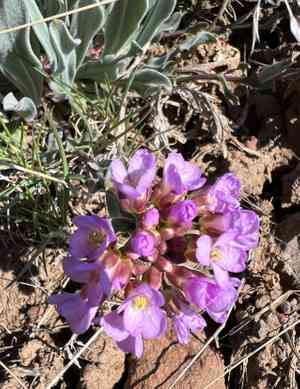
Daggerpod (Phoenicaulis cheiranthoides)
Also known as: Dutchman's Breeches, False Wallflower
The plant known as daggerpod gets its common name from the shape of its ripe seed pods, which stick out horizontally from the stem and resemble daggers. Once the seeds dry, the stem becomes brittle and can break, causing the entire plant to be carried away by the wind, much like a tumbleweed. Daggerpod is the sole species within the Phoenicaulis genus.
In This Article
Attributes of Daggerpod
Lifespan
Perennial
Plant Type
Herb
Plant Height
25 cm to 30 cm
Spread
Up to 12 inches
Leaf Color
Bronze
Flower Size
2.5 cm
Flower Color
Pink Purple
Images of Daggerpod
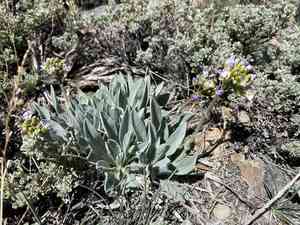
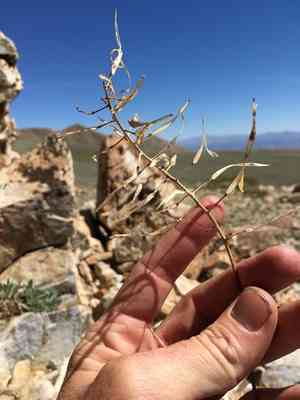
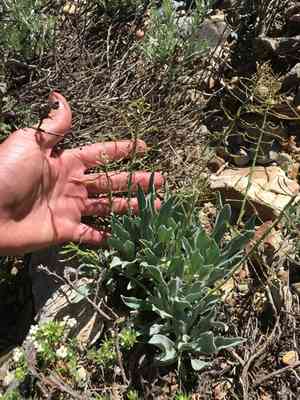
Quickly Identify Daggerpod
1
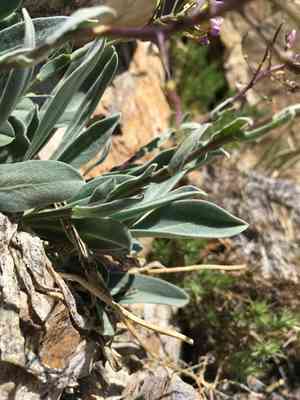
Phoenicaulis cheiranthoides can be identified by its thick, succulent-like leaves and bright purple, cruciform flowers. The plant often grows low to the ground, forming a basal rosette from which the flowering stem emerges.
Scientific Classification of Daggerpod
Phylum
Vascular plants
Class
Dicotyledons
Order
Brassicales
Family
Cruciferae
Genus
Daggerpod
Species
Daggerpod
Planting and Growing of Daggerpod
Care Difficulty
Easy
Watering Schedule
Every 2 days
Sunlight Requirements
Full sun
Sunshine Duration
6-10 hours
Ideal Temperature
60-75℉
Soil Type
Potting Mix, Peat Mix
Soil pH
6-7.5
Fertilizer Type
Balanced
Pruning Season
Spring, Summer
Pruning Area
Branches, Leaves
Pruning Frequency
2 times a year
Repotting Season
Spring
Pot Type
Plastic, Ceramic
 How to Water Daggerpod?
Phoenicaulis cheiranthoides requires a balanced watering approach. You should aim for around 500 milliliters per session. Ensure the soil is evenly moist but not waterlogged, which helps in maintaining the plant's root health.
What are the symptoms of an underwatered Daggerpod?
›
What should I do if my Daggerpod is not getting enough water?
›
What are the symptoms of an overwatered Daggerpod?
›
How to save an overwatered Daggerpod?
›
 What Are the Sunlight Requirements for Daggerpod?
Phoenicaulis cheiranthoides prospers in environments with full sun to partial sun. Ideal lighting supports robust growth, rich foliage, and abundant flowering.
More About Sunlight Requirements Techniques→
What is the best lighting condition for Phoenicaulis cheiranthoides?
›
Can Phoenicaulis cheiranthoides tolerate partial sun?
›
How to ensure ideal sunlight for Phoenicaulis cheiranthoides?
›
What are the benefits of achieving ideal light conditions?
›
 What Is the Ideal Temperature Range for Daggerpod?
Phoenicaulis cheiranthoides thrives best in a temperature range from 60°F to 75°F. This range provides optimal conditions for growth and photosynthesis, ensuring the plant can perform its physiological activities efficiently.
 What Soil is Best for Daggerpod?
Phoenicaulis cheiranthoides thrives in well-drained soil. This ensures that the roots receive adequate oxygen and prevents root rot, ensuring healthier plant growth. Rich in nutrients, this soil type supports vigorous growth and vibrant flowers, making it perfect for a thriving Phoenicaulis cheiranthoides plant. The soil should retain some moisture without becoming waterlogged, ensuring the plant roots access water consistently, reducing stress during drier periods.
 How to Fertilize Daggerpod?
Phoenicaulis cheiranthoides, commonly known for its adaptability to low-nutrient environments, typically requires a balanced fertilization approach. Utilize a diluted formula, with liquid fertilizers at half the recommended strength, ensuring a gentle yet effective nutrient boost.
 How to Propagate Daggerpod plant?
1
Fill seed trays with a suitable growth medium. Moisten it evenly, ensuring the medium is damp but not waterlogged. Label trays with planting dates and species details for organized and effective management.
2
Scatter Phoenicaulis cheiranthoides seeds thinly on the surface of the prepared trays. Gently press them into the surface or lightly cover them with a thin layer of growth medium, as they require light for germination. Keep trays in a warm and bright location.
3
Cover the trays with a clear plastic lid or place them inside a propagator to maintain a humid environment. This creates a mini-greenhouse effect, retaining warmth and moisture essential for germination.
 How to Repot Daggerpod plant?
1
Phoenicaulis cheiranthoides needs repotting when roots start to overfill the pot and protrude through drainage holes. Notice a slowdown in growth or water not being absorbed well? That's your signal!
2
Select a pot that is 1-2 inches wider in diameter than the current one. This allows enough room for growth without overwhelming the roots. Opt for a pot with ample drainage holes to avoid waterlogged roots!
3
Aim for a well-draining sandy mix that maintains some moisture but prevents root rot. A sandy mix ensures that Phoenicaulis cheiranthoides gets the drainage it craves while retaining essential nutrients.



