How to Transplant Timothy?
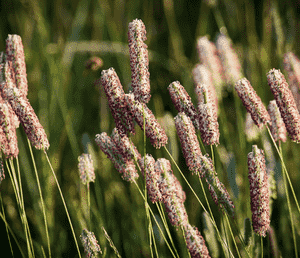
For timothy, late spring or early summer offers ideal conditions for transplanting, combining moderate temperatures with the vitality of the growing period. The best placement is in locations with fertile, adequately drained earth; infrequent irrigation assists in its settling.
Essential Preparations Before Relocating Timothy
Optimal Period for Timothy Relocation?
The most opportune time for moving timothy is during the transition from late spring to early summer. This mild, warmer interval promotes root establishment without the stress of intense midsummer heat. Shifting timothy during these months ensures vigorous growth, capitalizing on longer days and moderate temperatures. Utilize this prime transplanting window for a thriving timothy and a prosperous future!
Recommended Spacing Between Timothy Plants?
When planning to move your timothy, aim for an ideal spacing of approximately 6-12 inches (15-30 cm) between plants. This distance allows each plant ample room to develop and flourish. Best of luck!
Ideal Soil Blend for Timothy Transplanting?
Timothy prefers well-drained soil enriched with an organic base fertilizer. Prior to transplanting, amend the soil by incorporating compost or manure to boost its fertility. This preparation will help your timothy grow robust and healthy.
Optimal Location for Timothy Relocation?
Select a garden spot where your timothy can receive full sun to partial shade. Ensuring the correct location is crucial for successful timothy transplantation. So choose wisely and enjoy your gardening endeavors!
Tools Required Before Timothy Transplantation
Gardening Gloves
To safeguard your hands from sharp objects in the soil, ensuring your work with timothy is as secure as possible.
Shovel or Spade
Essential for excavating the plant from its original spot without causing harm.
Garden Trowel
Perfect for moving timothy from a container or seedling tray.
Garden Scissors or Pruners
For tidying up any damaged roots or stems before the transplant.
Watering Can or Hose
To ensure the soil is moist before you begin and to hydrate the plant once it's relocated.
Mulch
To maintain moisture around your plant and enhance the soil's structure and fertility.
Method for Extracting Timothy from the Soil?
Method for Extracting Timothy from the Soil?
From Ground: Begin by watering the timothy plant to moisten the soil, making it easier to dig. Use a spade or shovel to create a wide circle around the plant, ensuring the root ball remains intact. Insert the spade beneath the root ball and gently lift the plant from its original position, taking care to prevent damage.From Pot: Water the soil in the pot until it's damp, allowing for easy plant removal. Tilt the pot sideways, placing your hand over the soil's surface as you gently tap the pot's sides to loosen the soil and plant. Pull the pot away instead of pulling the plant to avoid root damage.From Seedling Tray: Allow plants to grow until the leaves of adjacent plants just touch. Water thoroughly before moving the seedlings. Gently press the soil beneath each cell or compartment to push each seedling upward, helping to prevent damage.
Step-by-Step Guide for Transplanting Timothy
Root Pruning
Trim away any unhealthy or damaged timothy roots using garden scissors or pruners. Pruning will stimulate new root growth once the plant is moved.
Digging a Hole
Excavate a hole at your new site that is twice the width and the same depth as the root ball.
Placing the Plant
Position timothy in the hole and adjust so it sits at the same depth as its previous growth. Ensure the plant stands upright.
Filling in the Hole
Backfill the hole around the plant with soil. Gently pat the soil down with your hands.
Watering
Water the timothy generously immediately after transplanting.
Mulching
Once the plant is in place and watered, apply a layer of mulch around it. This will help retain soil moisture and regulate soil temperature.
Post-Transplant Care for Timothy
Watering
Timothy will require consistent watering after transplanting to establish itself in its new location. Ensure the soil remains uniformly moist but not waterlogged or soggy.
Pruning
Timothy may benefit from light pruning after one or two weeks to encourage vigorous, bushy development. Always sanitize your pruning tools before use.
Monitoring
Observe timothy for any indications of stress or slowed growth, which could signal transplant shock. Signs to watch for include yellowing or wilting leaves.
Frost Protection
If late frost is anticipated, consider covering timothy with a blanket or frost cloth for protection. Remove once the danger has passed.
Mulching
Reapply mulch if it deteriorates or washes away, to maintain moisture levels and soil temperature.
Resolving Common Issues with Timothy Transplantation.
What is the optimal season for transplanting timothy?
The best time to transplant timothy is during seasons 3-4, which can vary based on your geographical area. This is when the plant is most dormant, making it less prone to shock.
How much space should be maintained between timothy during transplanting?
When transplanting timothy, ensure ample space between each plant—approximately 6-12 inches (15-30 cm). This allows plants to grow freely without competing for resources.
What soil type does timothy prefer for successful transplantation?
Timothy thrives in well-draining soil. Overly compact or water-retentive soil can lead to root rot and other problems. A sandy loam mix can be ideal for transplanting.
What is the necessary depth to bury timothy when transplanting?
When transplanting timothy, it's crucial to plant them deep enough to fully cover the roots, typically between 1-2 inches (2.5-5 cm). This helps them establish well.
What indicates that timothy is not responding well to transplantation?
If you observe yellowing leaves, drooping, or wilting soon after transplant, it may indicate timothy is not adapting well. Be gentle during transplantation to prevent shock to the plant.
How can I ensure timothy receives adequate water after transplanting?
To ensure timothy gets enough water, thoroughly soak the soil immediately after transplanting. Afterward, maintain a consistent watering schedule, allowing the soil to nearly dry out before the next watering.
How do I manage sunlight exposure for timothy after transplanting?
Timothy flourishes in full sun. After transplanting, position the plants in an area where they will receive at least 6-8 hours of sunlight daily.
What action should I take if timothy shows signs of disease after transplanting?
If timothy exhibits disease symptoms—such as spots, discoloration, or deformities—after transplanting, you might be dealing with a fungal or bacterial infection. Isolate the affected plant and treat it appropriately.
What type of fertilizer should I use after transplanting timothy?
A balanced, slow-release fertilizer can help timothy thrive post-transplant. An N-P-K ratio of 10-10-10 is usually sufficient. Just be careful not to over-fertilize.
What should I do if timothy isn't growing after some time post-transplanting?
If timothy isn't growing after transplanting, it might not be receiving enough nutrients, water, or sunlight. Check these factors and adjust as needed. If the plant still doesn't respond, consulting an expert might be best.



