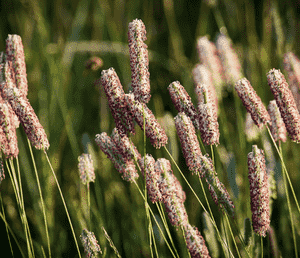
Timothy (Phleum pratense)
Also known as: Common cat's tail, Herdsgrass
Timothy (*Phleum pratense*) is a perennial grass that can reach heights of 61 to 122 cm. It is primarily cultivated for its high-quality hay, which is favored by livestock such as horses and cattle. The grass is recognizable by its cylindrical flower heads, which are about 40 cm long and bloom in the summer. While it provides a habitat for various insects and serves as food for caterpillars, Timothy grass can also be an allergen for many people. Its preference for cool climates and well-drained soils makes it an excellent choice for pastures and erosion control.
In This Article
Attributes of Timothy
Lifespan
Perennial
Plant Type
Grass
Plant Height
48 cm to 1.5 m
Spread
30 cm
Leaf Color
Green Blue
Flower Size
6 mm to 1.3 cm
Flower Color
Purple
Images of Timothy
Quickly Identify Timothy
1
Timothy grass can be identified by its tall stems, cylindrical and dense spike-like flower heads, and flat, broad leaf blades. The flower heads are typically green to brown and can be up to 15 cm long.
Scientific Classification of Timothy
Phylum
Vascular plants
Class
Monocotyledons
Order
Poales
Family
Grass
Genus
Timothy
Species
Timothy
Planting and Growing of Timothy
Care Difficulty
Easy
Watering Schedule
Every 4 days
Sunlight Requirements
Full sun
Sunshine Duration
6-10 hours
Ideal Temperature
59-77℉
Soil Type
Potting Mix, Peat Mix
Soil pH
6-7.5
Fertilizer Type
Balanced
Pruning Season
Spring, Summer
Pruning Area
Branches, Leaves
Pruning Frequency
2 times a year
Repotting Season
Spring
Pot Type
Plastic, Terracotta
 How to Water Timothy?
For Phleum pratense, each watering session should be thorough, providing about 500ml of water. The goal is to moisten the soil to a depth of about 4 inches. Ensure the water drains well to prevent standing water, which could harm the roots.
What are the symptoms of an underwatered Timothy?
›
What should I do if my Timothy is not getting enough water?
›
What are the symptoms of an overwatered Timothy?
›
How to save an overwatered Timothy?
›
 What Are the Sunlight Requirements for Timothy?
Phleum pratense thrives in full to partial sunlight, receiving 6-8 hours of light daily. This ensures optimal growth, strong stems, and lush, vibrant foliage essential for its vitality.
How much sun does Phleum pratense ideally need?
›
What solution ensures ideal sunlight exposure for Phleum pratense?
›
Why is achieving ideal lighting beneficial for Phleum pratense?
›
 What Is the Ideal Temperature Range for Timothy?
Phleum pratense flourishes in moderate climates typical of temperate zones. The ideal temperature range for this plant is between 59°F and 77°F as it supports optimal photosynthesis and energy production, leading to robust growth and overall plant health.
 What Soil is Best for Timothy?
Phleum pratense thrives in well-drained soil that prevents water from pooling around its roots. This advantage helps to avoid root rot, ensuring healthy growth and optimal nutrient uptake. Rich, fertile soil is a necessity for this plant, as it supports strong growth and prolific flowering. Nutrient-rich soil provides the essential minerals and elements needed for vibrant and resilient foliage. While drainage is crucial, maintaining moderate moisture levels allows Phleum pratense to grow well without stress. Adequate moisture supports photosynthesis and the overall metabolic processes of the plant.
 How to Fertilize Timothy?
For Phleum pratense, a general rule of thumb is to use 1 to 2 pounds of an all-purpose 10-10-10 fertilizer per 1000 square feet. Adjust based on growth requirements and soil conditions. Ensure the fertilizer is evenly distributed for optimal absorption.
 How to Prune Timothy?
Before pruning, inspect the plant carefully. Look for dead, diseased, or damaged stems as these should be removed first. This initial inspection sets the stage for effective pruning. Begin by cutting back the dead or diseased stems close to the base. Then, selectively trim overgrown areas to maintain a balanced shape. Aim for an even, rounded appearance while ensuring adequate air circulation within the plant's center. After pruning, water the plant thoroughly and apply a balanced fertilizer to encourage new growth. Keep an eye on the plant in the following weeks to ensure it is recovering well and adjust care as needed.
 How to Propagate Timothy plant?
1
First, prepare a well-draining soil enriched with organic matter. This nutrient-rich environment supports seed germination and healthy seedling development, crucial for successful propagation.
2
Scatter the seeds evenly on the soil surface and lightly cover them with a thin layer of soil. Ensure seeds are not buried too deep to enable effective germination, maintaining soil moisture consistently.
3
To propagate by division, dig up mature plants during early spring. Carefully separate root clumps with a garden fork and replant immediately in well-prepared soil.
 How to Repot Timothy plant?
1
Repot Phleum pratense when you notice roots crowding the drainage holes or soil drying out too quickly. These signs indicate that the plant may be root-bound and needs more space for healthy growth. Checking for these signals, especially in spring or autumn, can ensure your plant thrives throughout the growing seasons.
2
Select a pot that's 1-2 inches larger in diameter than the current one, with adequate drainage holes. This helps prevent waterlogging and provides the roots with ample space to expand, reducing the risk of root rot. The pot's size and drainage capacity are crucial for balancing moisture and air supply, promoting robust growth.
3
Use a well-draining loam mix to ensure nutrient retention and aeration. This type of soil helps maintain moisture balance while preventing compaction, aiding in the healthy development of roots. Good aeration is critical for providing essential oxygen to root systems and supporting vigorous plant growth.



