How to Transplant Parish's phacelia?
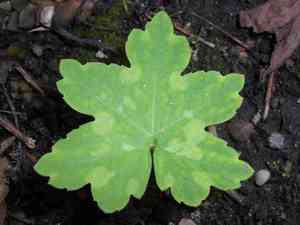
Parish's phacelia flourishes most effectively when relocated from the beginning to the end of spring, since moderate temperatures encourage strong root establishment. Select a site with ample sunlight or partial shade and soil that drains efficiently to guarantee ideal growing circumstances.
Essential Preparations Before Relocating Parish's Phacelia
Optimal Period for Relocating Parish's Phacelia?
Parish's phacelia, an annual species, flourishes when moved between early and late spring. This timeframe, characterized by sufficient moisture and warming soil, promotes strong root establishment and vigorous development. Transplanting during these months maximizes parish's phacelia's ability to adapt and bloom, setting the stage for a successful growing season.
Recommended Spacing Between Parish's Phacelia Plants?
When relocating parish's phacelia, ensure a separation of approximately 6-12 inches (15-30 cm). This provides ample room for growth without resource competition and contributes to a tidy garden aesthetic.
Preferred Soil Blend for Parish's Phacelia Relocation?
Prepare soil that drains effectively for parish's phacelia, as these conditions are most conducive to their growth. Incorporate organic compost or a balanced, slow-release granular fertilizer into the soil to supply essential nutrients for healthy development.
Optimal Location for Your Parish's Phacelia?
Choose a sunny spot for moving parish's phacelia. They prefer full sun exposure, meaning they require a minimum of 6-8 hours of direct sunlight daily. This will encourage beautiful blooms and robust growth.
Tools Required Before Relocating Parish's Phacelia
Gardening Gloves
To safeguard your hands while handling soil and plants.
Trowel
For excavating small holes and lifting the plant.
Shovel/Spade
To dig a larger trench if extracting the plant from the ground.
Watering Can
To moisten the soil before and after the move.
Bucket/Container
For transporting the plant if necessary.
Mulch
To aid in retaining soil moisture post-transplantation.
Stakes/Supports
If the plant needs assistance to remain upright.
Method for Extracting Parish's Phacelia from its Current Location?
Method for Extracting Parish's Phacelia from its Current Location?
From Ground: First, hydrate the parish's phacelia plant to moisten the soil. Next, excavate a wide trench around the plant using a shovel or spade, ensuring the plant's root ball stays intact. Carefully maneuver the spade beneath the root ball to lift the plant from its original spot.From Pot: Gently water the parish's phacelia plant to loosen the soil. Carefully invert the pot while supporting the plant with your hand. Tap the pot's base to release the plant and root ball.From Seedling Tray: Water the soil in the seedling tray. Use a trowel or your fingers to carefully lift the parish's phacelia seedling by its base, taking care not to harm the roots. Support the root ball during transfer.
Detailed Instructions for Relocating Parish's Phacelia
Site Preparation
Ensure the chosen area is ready by removing weeds and loosening the soil.
Excavate the Planting Hole
Use a trowel to dig a hole that is twice the width and equivalent in depth to the root ball of the parish's phacelia plant.
Relocation
Position the parish's phacelia plant into the hole, making sure it sits at the same depth as it did in its initial location. Backfill the hole with soil, gently pressing it down to eliminate air pockets.
Hydration
Thoroughly water the relocated parish's phacelia plant to settle the soil around its roots.
Mulching
Apply a layer of mulch around the base of the parish's phacelia plant to help retain moisture and inhibit weed growth.
Staking (if required)
If your parish's phacelia plant needs support, gently secure the plant to a stake using soft ties.
Post-Relocation Care for Parish's Phacelia
Watering
Maintain consistent moisture in the soil around the parish's phacelia, avoiding sogginess, for the initial weeks after relocation to encourage strong root development.
Observation
Look for any indications of transplant shock, such as wilting or yellowing leaves, and take corrective measures like adjusting watering or providing shade if necessary.
Weed Management
Keep the area surrounding the parish's phacelia plant free of weeds to minimize competition for nutrients and water.
Inspection
Regularly check for pests or diseases and address them promptly to ensure the parish's phacelia plant remains healthy.
Nourishment
After a few weeks, you may apply a balanced fertilizer if needed to stimulate growth.
Addressing Common Issues with Parish's Phacelia Relocation.
When is the optimal time to relocate parish's phacelia?
The best period to move parish's phacelia is from early to late spring for prime growth.
What should be the spacing for parish's phacelia?
Space parish's phacelia 6-12 inches (15-30 cm) apart to ensure sufficient room for development.
How to prevent transplant shock in parish's phacelia?
Water parish's phacelia thoroughly after relocation and avoid disturbing the roots to prevent shock.
Should I fertilize parish's phacelia after relocating?
Light fertilization with a balanced fertilizer can assist parish's phacelia in establishing after relocation.
What is the ideal soil type for parish's phacelia?
Parish's phacelia thrives best in well-draining, sandy, or loamy soil to ensure proper root development.
How much sunlight does parish's phacelia need?
Parish's phacelia requires full sunlight for at least 6 hours daily for healthy growth.
Can I relocate parish's phacelia during hot weather?
Avoid moving parish's phacelia during hot weather; stick to early spring to late spring.
How to water parish's phacelia after relocating?
Keep the soil consistently moist but not waterlogged after relocating parish's phacelia.
What to do if parish's phacelia wilts after relocating?
If parish's phacelia wilts, provide temporary shade and ensure consistent watering to support recovery.
How deep should I plant parish's phacelia?
Plant parish's phacelia at the same depth as it was previously growing to avoid stress.



