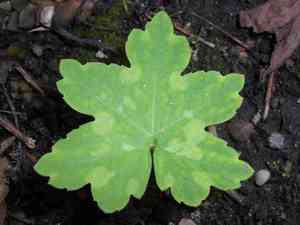
Parish's phacelia (Phacelia parishii)
Also known as: None
Desert bluebells, or Phacelia campanularia, are notable for their clusters of bell-shaped violet or blue flowers. This annual herb thrives in arid desert environments, thanks to its deep taproot that efficiently navigates sandy soils. Blooming primarily in spring, its coiled flower clusters are highly attractive to pollinators. The plant also features fern-like leaves and hairy stems, which contribute to its ability to withstand harsh, sunny conditions.
In This Article
Attributes of Parish's phacelia
Lifespan
Annual
Plant Height
5-15 cm
Spread
Not applicable
Leaf Color
Green
Flower Size
0.5-1 cm
Flower Color
Lavender-blue
Images of Parish's phacelia
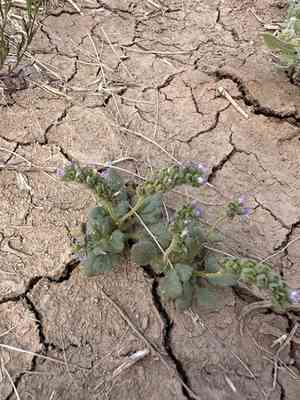
Quickly Identify Parish's phacelia
1
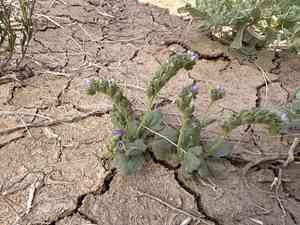
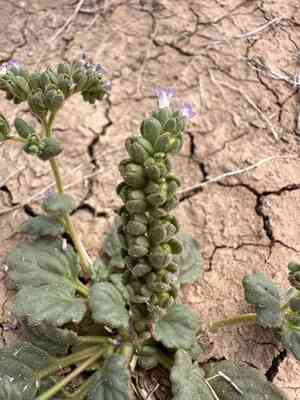
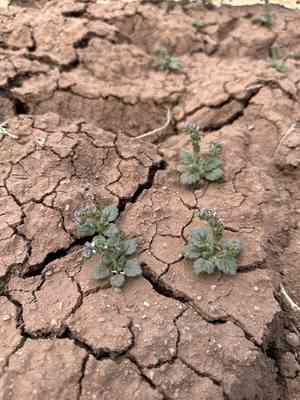
To identify Phacelia parishii, look for its small lavender-blue flowers arranged in coiled clusters, and its finely divided, fern-like leaves. The plant is usually low-growing and found in desert regions.
Scientific Classification of Parish's phacelia
Phylum
Vascular plants
Class
Dicotyledons
Order
Boraginales
Family
Waterleaf
Genus
Heliotrope
Species
Parish's phacelia
Planting and Growing of Parish's phacelia
Care Difficulty
Hard
Watering Schedule
Every 2 days
Sunlight Requirements
Full sun
Sunshine Duration
6-10 hours
Ideal Temperature
60-75℉
Soil Type
Potting Mix, Peat Mix
Soil pH
6.5-7.5
Fertilizer Type
Balanced
Pruning Season
Spring, Summer
Pruning Area
Branches, Leaves
Pruning Frequency
2 times a year
Repotting Season
Spring
Pot Type
Plastic, Ceramic
 How to Water Parish's phacelia?
Phacelia parishii requires watering until the soil is evenly moist but not soggy. This desert-loving plant thrives with a delicate balance, where the roots need access to moisture without becoming waterlogged. It's best to water once the top inch of the soil feels dry to the touch, ensuring the plant is adequately hydrated but not sitting in excess water.
What are the symptoms of an underwatered Parish's phacelia?
›
What should I do if my Parish's phacelia is not getting enough water?
›
What are the symptoms of an overwatered Parish's phacelia?
›
How to save an overwatered Parish's phacelia?
›
 What Are the Sunlight Requirements for Parish's phacelia?
Phacelia parishii ideally enjoys full sun to partial sun exposure, ensuring it gets 6 to 8 hours of sunlight. Proper light supports robust growth and a vibrant display of flowers, vital for its health.
What is the preferred lighting condition for Phacelia parishii?
›
How can I achieve the ideal light conditions for Phacelia parishii?
›
What are the benefits of optimal lighting for Phacelia parishii?
›
 What Is the Ideal Temperature Range for Parish's phacelia?
Phacelia parishii thrives best within an ideal temperature range of 60°F to 75°F. At these temperatures, the metabolic processes of the plant are most efficient, promoting healthy growth and optimal blooming. Maintaining these conditions ensures that the plant experiences minimal stress and achieves its full potential in production and development.
 What Soil is Best for Parish's phacelia?
Phacelia parishii thrives in well-drained soils, which helps prevent root rot by ensuring excess water doesn't accumulate. This type of soil facilitates better aeration and nutrient uptake, essential for the plant's root health and overall growth. Although Phacelia parishii can grow in poor soils, providing a soil rich in organic matter supports its growth by offering essential nutrients. The presence of organic material helps retain moisture and fosters beneficial microbial activity in the soil. This plant prefers soils that are slightly on the alkaline side of the spectrum, closer to a pH of 7.5. Alkaline conditions enhance nutrient availability for this plant, supporting its vibrant foliage and flowering capabilities.
 How to Fertilize Parish's phacelia?
For Phacelia parishii, a balanced supply of nutrients is essential. Use approximately 1 tablespoon of balanced liquid fertilizer per gallon of water when applying, ensuring not to exceed plant needs and avoid nutrient run-off.
 How to Prune Parish's phacelia?
Start pruning Phacelia parishii by removing any dead or damaged stems. Use sharp, sterilized scissors or pruning shears to make clean cuts. Focus on shaping the plant by cutting back any unruly branches. Aim to create a balanced look, which will aid in even sunlight exposure and airflow. Prune in early spring and midsummer for best results. This timing helps the plant to recuperate quickly and prepare for blooming. Use angled cuts when pruning to allow for better water runoff and prevent rot.
More About Pruning Techniques→
 How to Propagate Parish's phacelia plant?
1
Fill seed trays with sterile potting mix and moisten it thoroughly. Ensure the mix is evenly moistened without being waterlogged, as this will encourage better seed germination.
2
Scatter the seeds evenly across the surface of the potting mix, and gently press them into the soil. Do not cover the seeds too deeply; a light layer of potting mix will suffice.
3
Place the seed trays in a warm, well-lit area. Maintain a consistent temperature and moisture level for optimal germination. Consider using a propagation mat if necessary.
 How to Repot Parish's phacelia plant?
1
Phacelia parishii should be repotted when you notice roots are circling the pot, dwindling growth rate, or poor drainage. Spring and autumn are the best seasons as moderate temperatures favor root establishment without extreme stress.
2
Select a pot that's 1-2 inches larger in diameter than the current one to accommodate new root growth. Ensure it has drainage holes to prevent waterlogged conditions, which help promote a healthy root system by avoiding rot.
3
Opt for a well-draining sandy soil mix that resembles the plant's natural desert habitat. This kind of soil ensures that water doesn't overly saturate the plant's roots, reducing the chance of root rot and encouraging healthy plant growth.
Learn More About Parish's phacelia Diseases
Anthracnose
Bacterial Leaf Spot
Bacterial Soft Rot
Bacterial Wilt
Chemical Injury
Crown Gall
Cyst Nematode
Damping-off
Downy Mildew
Drought Stress
Fusarium Wilt
Gray Mold
Leaf Spot
Mosaic
Nutrient Deficiency
Nutrient Toxicity
Powdery Mildew
Root Rot
Root-knot Nematode
Rusts
Sooty Mold
Spider Mites
Temperature Stress
Thrips Damage
White Mold



