How to Transplant Imbricate phacelia?
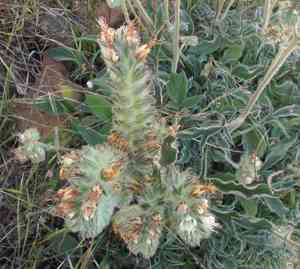
The ideal period for relocating imbricate phacelia spans from early spring to the beginning of summer, leveraging prime growing circumstances. Select a location that receives full sun to partial shade and features soil with good drainage. Careful manipulation is crucial to preserve the root system's soundness.
What Preparations are Needed Before Transplanting Imbricate Phacelia?
What is the Ideal Time for Transplanting Imbricate Phacelia?
The optimal period to relocate imbricate phacelia spans from early spring until the onset of summer. Moving imbricate phacelia during this timeframe promotes vigorous development due to favorable temperatures and increasing daylight, ensuring strong root integration prior to the intense conditions of summer or winter. Seize this season to witness your imbricate phacelia flourish!
How Much Space Should You Leave Between Imbricate Phacelia Plants?
Start by planning adequate room for your imbricate phacelia to breathe. Aim for a separation of 12-18 inches (30-45 cm) between each plant. This allows every imbricate phacelia to thrive without being overcrowded.
What is the Best Soil Mix for Imbricate Phacelia Transplanting?
For robust development, blend a general-purpose fertilizer into the garden bed soil before planting your imbricate phacelia. They prefer soil that drains well and is rich in organic matter. A light, loamy substrate is most suitable for their well-being.
Where Should You Relocate Your Imbricate Phacelia?
Select a bright location for your imbricate phacelia that receives at least 6 hours of direct sunlight daily. An east or south-facing spot will provide the warm, luminous environment necessary for them to thrive.
What Equipments Should You Prepare Before Transplantation Imbricate Phacelia?
Gardening Gloves
To safeguard your hands while handling soil and plants.
Trowel
For excavating small holes and moving the plant.
Shovel or Spade
For digging up larger plants or preparing the new site.
Watering Can or Hose
To hydrate the plant both prior to and following transplantation.
Pruning Shears
For trimming any damaged roots or foliage.
Wheelbarrow
To transport the plant and soil if required.
Rooting Hormone (optional)
To stimulate root development in the new location.
Mulch
For covering the ground around the new planting area to retain moisture.
How Do You Remove Imbricate Phacelia from the Soil?
How Do You Remove Imbricate Phacelia from the Soil?
From Ground: First, irrigate the imbricate phacelia plant to moisten the soil. Next, excavate a wide trench around the plant using a shovel or spade, ensuring the plant's root ball remains intact. Carefully work the spade beneath the root ball to lift the plant from its original position.From Pot: Begin by thoroughly watering the imbricate phacelia to facilitate its removal from the container. Turn the pot sideways, grasp the stem at its base, and gently tap the pot's bottom to help dislodge the plant. If it doesn't slide out, run a trowel along the pot's inner edge to assist in freeing the plant.From Seedling Tray: Water the cell containing the imbricate phacelia plant to ensure the soil is damp. Use a spoon or a small trowel to carefully lift the soil and root mass from the cell, taking care not to harm the roots.
Step-by-Step Guide for Transplanting Imbricate Phacelia
Preparation
Before extracting the imbricate phacelia from its current spot, ensure the new transplant location is ready. The hole should be twice as wide as the root ball but the same depth to prevent the plant from sitting too low.
Support System
If the imbricate phacelia is tall or prone to breaking, prepare stakes or other supports at the new site to secure the plant after transplanting.
Root Preparation
Lightly trim any overly long or damaged roots with pruning shears. Apply rooting hormone to the cut ends if available to encourage new growth.
Planting
Place the imbricate phacelia into the new hole. The top of the root ball should be level with the surrounding soil. Backfill the hole with soil, gently firming it around the roots to eliminate air pockets.
Watering
Water the imbricate phacelia deeply after transplanting to help settle the soil around the roots and to hydrate the plant.
Staking
Install any necessary supports and gently tie the imbricate phacelia to them with soft ties to ensure stability while the roots establish.
Mulching
Apply a layer of mulch around the base of the imbricate phacelia, keeping it a few inches away from the stem, to help retain moisture.
How Do You Care For Imbricate Phacelia After Transplanting?
Watering
Provide the imbricate phacelia with regular irrigation to keep the surrounding soil consistently moist as it adjusts to its new environment.
Monitoring
Watch for indications of stress such as wilting or discolored leaves. Adjust care as needed.
Staking
Periodically check the supports and adjust them as the imbricate phacelia grows to ensure stability without hindering natural development.
Weeding
Remove any weeds that emerge around the imbricate phacelia to prevent competition for nutrients and water.
Pruning
Trim away any dead or damaged foliage to encourage healthy growth and maintain the plant's form.
Troubleshooting Common Issues with Imbricate Phacelia Transplantation.
What's the best time of year to transplant imbricate phacelia?
Relocate imbricate phacelia in early to late spring for optimal root establishment before summer heat.
How far apart should I space imbricate phacelia when transplanting?
Position imbricate phacelia approximately 12-18 inches (30-45 cm) apart to allow ample growth space.
Why are my transplanted imbricate phacelia's leaves wilting?
Wilting may indicate shock. Ensure adequate watering, avoid direct sun for a few days, and keep soil moist.
Should I fertilize imbricate phacelia after transplanting?
Wait several weeks post-transplant before applying fertilizer to prevent damage to delicate new roots.
How much should I water imbricate phacelia after transplanting?
Maintain consistently moist soil, but avoid waterlogging. Water deeply to promote root development.
Can imbricate phacelia be transplanted on cloudy days?
Yes, overcast days help minimize transplant shock by reducing exposure to intense sunlight.
How deep should the hole be for transplanting imbricate phacelia?
The hole should match the root ball's depth but be twice its width to encourage growth.
What should I do if imbricate phacelia isn't showing new growth after transplant?
Be patient, as imbricate phacelia may require time to establish. Continue proper watering and check for pests or diseases.
How do I prepare the soil before transplanting imbricate phacelia?
Enrich soil with compost and ensure good drainage. Loosen the soil to accommodate the root system.
Can I transplant imbricate phacelia during summer?
It's not ideal. Transplant during recommended periods to minimize stress and enhance root establishment.



