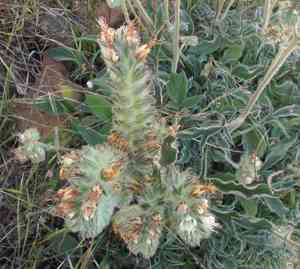
Imbricate phacelia (Phacelia imbricata)
Also known as: None
Hummingbird sage is a perennial herb indigenous to California. This plant, which can reach up to 1 meter in height, is commonly visited by the black tail bumblebee. Featuring aromatic leaves and vibrant flowers, it thrives in various habitats across the region.
In This Article
Attributes of Imbricate phacelia
Lifespan
Annual, Perennial
Plant Type
Herb
Plant Height
1 m
Spread
10 cm to 20 cm
Leaf Color
Green
Flower Size
5 mm
Flower Color
White Yellow
Images of Imbricate phacelia
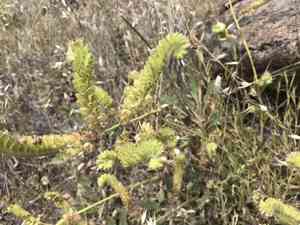
Quickly Identify Imbricate phacelia
1
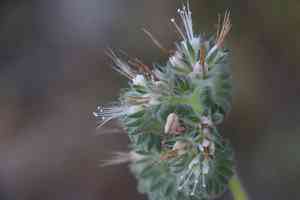
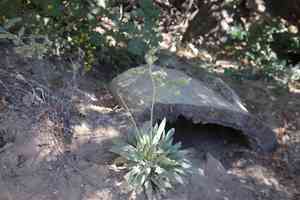
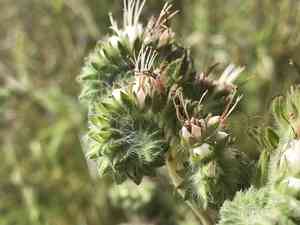
To identify Phacelia imbricata, look for its distinctive imbricate (overlapping) leaves and small, bell-shaped lavender to blue flowers. The plant typically features hairy stems.
Scientific Classification of Imbricate phacelia
Phylum
Vascular plants
Class
Dicotyledons
Order
Boraginales
Family
Waterleaf
Genus
Heliotrope
Species
Imbricate phacelia
Planting and Growing of Imbricate phacelia
Care Difficulty
Easy
Watering Schedule
Every 4 days
Sunlight Requirements
Partial sun
Sunshine Duration
6-8 hours
Ideal Temperature
60-75℉
Soil Type
Potting Mix, Peat Mix
Soil pH
6.5-7.5
Fertilizer Type
Balanced
Pruning Season
Spring, Summer
Pruning Area
Branches, Leaves
Pruning Frequency
2 times a year
Repotting Season
Spring
Pot Type
Plastic, Ceramic
 How to Water Imbricate phacelia?
When watering Phacelia imbricata, aim to soak the soil thoroughly until excess water drains out, implying that about 250 ml per session would suffice. It's crucial to ensure that the topsoil is moderately moist and not left soggy to prevent root diseases.
What are the symptoms of an underwatered Imbricate phacelia?
›
What should I do if my Imbricate phacelia is not getting enough water?
›
What are the symptoms of an overwatered Imbricate phacelia?
›
How to save an overwatered Imbricate phacelia?
›
 What Are the Sunlight Requirements for Imbricate phacelia?
Phacelia imbricata prefers partial sun, absorbing the benefits of both morning sun and afternoon shade. Optimal lighting conditions facilitate energy-efficient photosynthesis, boosting growth, and maximizing flower production.
How much sunlight does Phacelia imbricata need daily?
›
What is the best location for Phacelia imbricata?
›
How can I simulate ideal lighting conditions indoors?
›
 What Is the Ideal Temperature Range for Imbricate phacelia?
Phacelia imbricata thrives best in moderate temperatures ranging from 60°F to 75°F. This range allows for optimal growth as it mirrors the plant's native environment, providing ample warmth without excessive heat stress. Maintaining temperatures within this range ensures the plant's metabolic processes function efficiently, supporting healthy foliage and vibrant growth.
 What Soil is Best for Imbricate phacelia?
Phacelia imbricata thrives in well-drained soil, preventing waterlogging that can lead to root rot. This requirement ensures that the plant's roots can access oxygen and nutrients efficiently, promoting healthy growth. A nutrient-rich medium is essential for Phacelia imbricata, providing adequate nourishment for optimal blooming and foliage development. Fertile soil supports vibrant and lush plants, enhancing their ornamental value. Incorporating moderate organic matter into the soil helps retain moisture and offers essential nutrients slowly over time. This approach results in sustained growth and a robust immune system for the plant.
 How to Fertilize Imbricate phacelia?
For Phacelia imbricata, use a balanced fertilizer at a diluted rate. For liquid fertilizers, mix at one-quarter strength of the recommended dosage. If using solid fertilizers, apply a thin layer that covers the soil but do not over-apply to avoid nutrient buildup.
 How to Prune Imbricate phacelia?
Prune in early spring when new growth begins, allowing for healthy blooms later in the season. Avoid heavy pruning in late autumn as the plant needs energy to prepare for dormancy. Focus on cutting away any dead or diseased stems or foliage. This not only neatens the plant but also reduces the risk of spreading disease. Cut back about one-third of the plant's height to promote denser and fuller growth. This encourages the plant to spread out rather than grow tall and sparse.
More About Pruning Techniques→
 How to Propagate Imbricate phacelia plant?
1
Collect seeds from mature Phacelia imbricata plants. Clean and dry them for a few days, ensuring they are free of debris before sowing.
2
Use a well-draining mix to fill your seed tray or pots. Ensure the soil is slightly moist before sowing seeds or placing cuttings.
3
Sow seeds lightly on the soil surface and cover slightly. For cuttings, place them gently into the prepared soil, ensuring stable yet gentle contact with the soil.
 How to Repot Imbricate phacelia plant?
1
Phacelia imbricata should be repotted when its roots start circling the bottom of the pot, a clear indicator of being root-bound. Additionally, if you notice stunted growth, and yellowing leaves, it's likely time for a new pot. Typically, assessing these during spring or early summer is ideal when the plant is gearing up for its growing season.
2
Select a pot that is one size larger than the existing one to prevent excessive soil volume, which can lead to waterlogging. The pot should have drainage holes to ensure excess water escapes, fostering a healthy root environment. A ceramic or terracotta pot is recommended for breathability and to maintain stable root temperatures.
3
Opt for a well-draining sandy mix that mimics the plant's natural habitat. A blend containing perlite or coarse sand is excellent as it enhances drainage while keeping the medium light. This helps prevent root rot by ensuring that water doesn't accumulate around the roots, promoting robust growth.



