How to Transplant Peperomia albovittata?
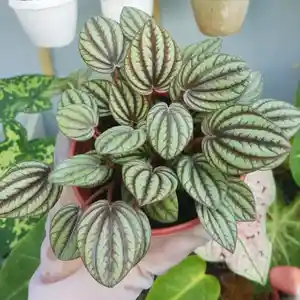
Peperomia albovittata flourishes when moved between late summer and early fall, benefiting from temperate atmospheric conditions. Select a location with ample, diffused illumination and guarantee a substrate that drains effectively. Execute the transfer with precision to lessen shock.
What Preparations are Needed Before Transplanting Peperomia Albovittata?
What is the Ideal Time for Transplanting Peperomia Albovittata?
The best time to move peperomia albovittata is from late summer through early autumn. This period offers mild temperatures and consistent humidity, which lessens plant stress. Transplanting then helps peperomia albovittata develop strong root systems before winter, ensuring vigorous growth next season.
How Much Space Should You Leave Between Peperomia Albovittata Plants?
Ensure peperomia albovittata are spaced approximately 6-8 inches (15-20 cm) apart to allow sufficient room for development. This prevents crowding and promotes good air circulation around the plants.
What is the Best Soil Mix for Peperomia Albovittata Transplanting?
Prepare a well-draining soil blend with organic matter or peat moss for peperomia albovittata. Consider incorporating a balanced base fertilizer, such as a 10-10-10 NPK, to supply essential nutrients.
Where Should You Relocate Your Peperomia Albovittata?
Place peperomia albovittata in a location receiving bright, indirect sunlight. Direct sun can scorch its leaves, so avoid it. A north or east-facing window is excellent.
What Equipments Should You Prepare Before Transplantation Peperomia Albovittata?
Gardening Gloves
To shield your hands while handling soil and plants.
Shovel or Spade
For digging holes and loosening soil during transplantation.
Trowel
For precise digging and assisting in lifting the plant from its container.
Watering Can or Hose
To hydrate the plant before and after its relocation.
Pruning Shears
To trim any damaged roots or foliage during the transplanting process.
Mulch
To help maintain moisture and regulate soil temperature post-transplant.
How Do You Remove Peperomia Albovittata from the Soil?
How Do You Remove Peperomia Albovittata from the Soil?
From Ground: First, water the peperomia albovittata plant to moisten the soil. Next, use a shovel or spade to dig a wide trench around the plant, making sure its root ball stays intact. Carefully work the spade beneath the root ball to lift the plant from its original spot.From Pot: Water the peperomia albovittata plant to help the soil adhere to the roots. Gently tap the pot's sides to loosen the soil. Carefully invert the pot while supporting the plant with your hand, and slide the plant out, ensuring the root ball remains whole.From Seedling Tray: Gently water the peperomia albovittata seedlings. Use a trowel or spoon to carefully scoop out individual seedlings, taking care not to harm their delicate roots.
Step-by-Step Guide for Transplanting Peperomia Albovittata
Site Preparation
Select a well-draining spot for peperomia albovittata, ensuring it's free of weeds and debris. Dig a hole roughly twice the size of the root ball.
Prepare the Plant
If any roots are circling the root ball, gently untangle them or trim them with pruning shears.
Transplanting
Place the peperomia albovittata plant in the hole at the same depth it was previously growing. Backfill the hole with soil, and gently but firmly press the soil around the root ball to remove air pockets.
Watering
Water the plant thoroughly immediately after planting to help settle the soil and give the plant a good start.
How Do You Care For Peperomia Albovittata After Transplanting?
Watering
Keep the soil around the peperomia albovittata consistently moist, but not waterlogged, for the initial weeks post-transplant to aid in root establishment.
Mulching
Apply a layer of mulch around the plant's base to help retain moisture and protect its roots.
Monitoring
Regularly inspect the plant for signs of stress, such as wilting or yellowing leaves, and address any issues promptly.
Troubleshooting Common Issues with Peperomia Albovittata Transplantation.
When is the best time to transplant peperomia albovittata?
Late summer to early fall is ideal for relocating peperomia albovittata.
How far apart should I space peperomia albovittata when transplanting?
Aim for 6-8 inches (15-20 cm) between each plant for optimal growth.
What type of soil is best for transplanting peperomia albovittata?
Peperomia albovittata thrives in well-draining, slightly acidic to neutral soil.
How should I prepare the soil before transplanting peperomia albovittata?
Loosen the soil and mix in compost to enrich and improve drainage.
How do I handle peperomia albovittata's roots when transplanting?
Gently untangle the roots and trim any damaged parts before placing in the new spot.
How much water does peperomia albovittata need immediately after transplanting?
Water thoroughly right after transplanting to settle the soil around the roots.
Should I protect peperomia albovittata from direct sunlight after transplanting?
Yes, provide shade for the first few days to avoid transplant shock.
What if peperomia albovittata shows signs of transplant shock?
Keep the soil moist, avoid fertilization, and provide gentle care until it recovers.
Can I use mulch to help peperomia albovittata after transplanting?
Yes, apply a light layer of mulch to retain moisture and regulate temperature.
How do I know if peperomia albovittata has successfully transplanted?
Look for new growth and healthy leaves within a few weeks after transplanting.



