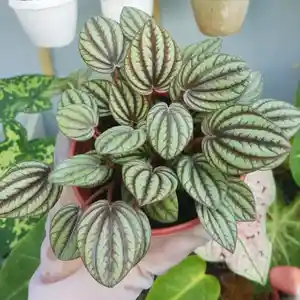
Peperomia albovittata (Peperomia albovittata)
Also known as: Ripple Peperomia
Peperomia albovittata belongs to the Piperaceae family and is a type of plant species that is exclusively found in Ecuador.
In This Article
Attributes of Peperomia albovittata
Lifespan
Peperomia albovittata is a perennial plant
Images of Peperomia albovittata
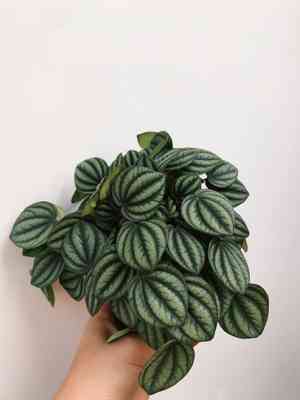
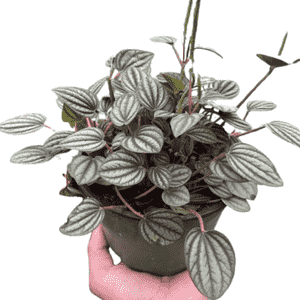
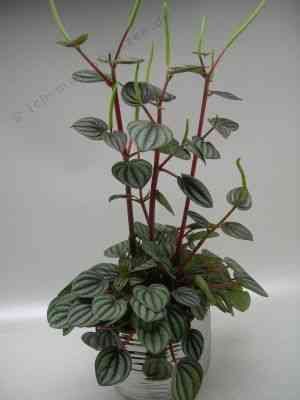
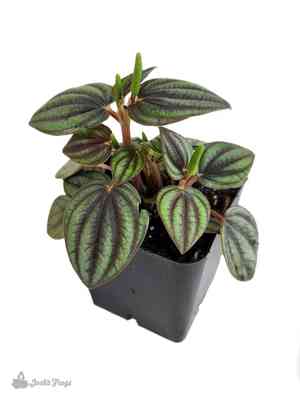
Quickly Identify Peperomia albovittata
1
Peperomia albovittata can be identified by its thick, fleshy, heart-shaped leaves that have a textured surface and distinct patterning. The leaves are typically green with creamy or silver stripes, and the plant grows in a compact, bushy form.
Scientific Classification of Peperomia albovittata
Phylum
Magnoliophyta
Class
Magnoliopsida
Order
Piperales
Family
Piperaceae
Genus
Peperomia
Species
P. albovittata
Planting and Growing of Peperomia albovittata
Care Difficulty
Easy
Watering Schedule
Every 2 days
Sunlight Requirements
Partial sun
Sunshine Duration
10-14 hours
Ideal Temperature
65-75℉
Soil Type
Potting Mix, Peat Mix
Soil pH
6-7.5
Fertilizer Type
Balanced
Pruning Season
Spring, Summer
Pruning Area
Branches, Leaves
Pruning Frequency
2 times a year
Repotting Season
Spring
Pot Type
Plastic, Ceramic
 How to Water Peperomia albovittata?
The Peperomia Albovittata prefers to be kept on the drier side as it stores water in its thick leaves, similar to succulents. Water only when the top 50% of the soil is dry. About 200ml per watering should suffice for a small potted plant.
What are the symptoms of an underwatered Peperomia albovittata?
›
What should I do if my Peperomia albovittata is not getting enough water?
›
What are the symptoms of an overwatered Peperomia albovittata?
›
How to save an overwatered Peperomia albovittata?
›
 What Are the Sunlight Requirements for Peperomia albovittata?
Partial sun is ideal for the Peperomia albovittata. This amount of light will help it maintain its distinctive leaf patterns and vibrancy.
Is Peperomia albovittata a sun-loving plant?
›
What if they receive too much light?
›
How does Peperomia albovittata benefit from proper light conditions?
›
 What Is the Ideal Temperature Range for Peperomia albovittata?
Peperomia albovittata typically thrives in a temperature range between 65 and 75 degrees Fahrenheit. This is the ideal temperature range for the plant's good growth and health, replicating the plant’s natural tropical environment.
 What Soil is Best for Peperomia albovittata?
Peperomia albovittata prefers soil with excellent drainage. The roots are highly susceptible to root rot, so overwatering or watering directly into the crown can compromise the health of this foliage plant. Stick with a watering schedule and never overdo it. This plant appreciates rich, organic soil with balanced nutrients. It needs fertile soil to keep its foliage vibrant. Supplement with organic compost or slow-release fertilizers to maintain good soil fertility. Loose and sandy soil allows for ample aeration that the Peperomia albovittata's roots need. Soggy soil can easily lead to root rot, which can be detrimental. The roots need to breathe, so make sure your soil is aerated.
 How to Fertilize Peperomia albovittata?
For Peperomia albovittata, the use of a liquid fertilizer is recommended at half the strength mentioned on the package twice a month during the growing season. When it comes to slow-release fertilizer, apply likemindedly at the burgeoning of spring, summer, and autumn.
 How to Prune Peperomia albovittata?
Begin pruning by removing any yellow or faded leaves first. Then proceed to eliminate overgrown stems or branches. Always make your cuts near the main stem, but do not damage the primary structure. Trim away any exaggeratedly long or unruly shoots to grant the plant a more aesthetic appeal. After trimming, cleanse the plant with mild soapy water to prevent the onset of pests or diseases. Wipe the leaves gently to remove any dust or grime. Reduce the watering in the following weeks as the plant recovers and adjust to the new size.
 How to Propagate Peperomia albovittata plant?
1
For Peperomia albovittata propagation, you should select a healthy leaf or stem and cut it using a sharp pair of scissors. Make sure you cut at an angle and include a node (the area where leaves attach to the stem).
2
Place the cuttings in a small pot with fresh potting soil. Keep the soil consistently moist, but not waterlogged. The cutting should start to develop roots within a few weeks.
3
Once the cutting has formed roots and starts showing new growth, the care is the same as for a mature Peperomia albovittata. Maintain a consistent watering schedule and provide adequate light for photosynthesis.
 How to Repot Peperomia albovittata plant?
1
Peperomia albovittata usually gives signals when it needs to be repotted. If there's stunted growth or the roots are poking out of the drain holes, it's time to give them a new home. The optimal time is during warm growing seasons, preferably spring or summer.
2
Choose pots with ample drainage holes. This significantly reduces the chances of root rot, a common issue with Peperomia. Also, ensure the pot is slightly larger than the root ball, but not overly large as it can retain too much moisture.
3
Peperomia albovittata enjoys well-draining, aerated potting mix. It likes soil that's more on the dry side, so potting mixtures like peat moss or perlite work wonders. This optimizes root health and reduces the chances of fungal diseases.
Toxicity
None
WARNING
The judgment on toxicity and danger is for reference only. We DO NOT GUARANTEE any accuracy of such judgment. Therefore, you SHALL NOT rely on such judgment. It is IMPORTANT TO SEEK PROFESSIONAL ADVICE in advance when necessary.



