How to Transplant Butter tree?
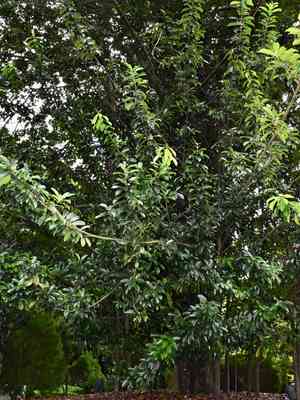
The most favorable period for relocating a butter tree is from the beginning to the middle of spring, a time of renewal, enabling root development prior to the warmth of summer. Select a bright spot with soil that drains effectively to foster vigorous development.
What Preparations are Needed Before Transplanting Butter Tree?
What is the Ideal Time for Transplanting Butter Tree?
The best time to move butter tree is during the onset of early to mid-spring. This period, when new life emerges, allows butter tree to settle in mild conditions before the intensity of summer heat. Relocating butter tree in this season utilizes its natural growth cycle, promoting stronger root development and adaptation. This careful timing ensures butter tree gains the necessary vigor to thrive throughout the year, making it a smart choice for any gardening enthusiast.
How Much Space Should You Leave Between Butter Tree Plants?
Greetings! For butter tree, you'll want to provide ample room for development. Aim to space each plant approximately 13-20 feet (4-6 meters) apart. This will give their roots and branches the necessary area to flourish.
What is the Best Soil Mix for Butter Tree Transplanting?
Preparing butter tree's new home is crucial! Select a location with rich, well-draining soil. If possible, incorporate some compost or aged manure to give your butter tree a boost. This type of soil enrichment will help your butter tree establish and grow robustly.
Where Should You Relocate Your Butter Tree?
Now, let's discuss sun exposure! Butter tree thrives in sunlight, so choose a spot where it can receive full sun for most of the day. This means at least 6-8 hours of direct sunshine should illuminate your butter tree's new location.
What Equipments Should You Prepare Before Transplantation Butter Tree?
Gardening Gloves
To safeguard your hands while handling soil and the plant.
Spade or Shovel
For excavating the plant and preparing the new planting site.
Watering Can or Hose
To hydrate butter tree both prior to and following transplantation.
Wheelbarrow
For moving butter tree and soil, especially if relocating a large specimen.
Pruning Shears
To trim any damaged roots or foliage.
How Do You Remove Butter Tree from the Soil?
How Do You Remove Butter Tree from the Soil?
From Ground: First, moisten butter tree to soften the soil, facilitating digging. Then, excavate a wide trench around butter tree using a spade or shovel to prevent root ball damage. Gently work the tool beneath the root ball to lift butter tree from its original spot.From Pot: Water butter tree thoroughly. Invert the pot and gently tap it to loosen the soil. Grasp butter tree near the base and carefully ease it out while tilting the pot, supporting the plant and root ball as it exits.From Seedling Tray: Dampen the soil to simplify extraction. Gently push butter tree from the cell's bottom or use a tool like a dibber to lift the plant and its root soil without causing harm.
Step-by-Step Guide for Transplanting Butter Tree
Prepare the New Site
Dig a hole in the ground that is twice as wide and equally deep as the root ball of butter tree.
Remove butter tree Safely
Follow the outlined removal procedure from its initial location based on whether it's coming from the ground, a pot, or a seedling tray.
Inspect the Root Ball
Examine the root ball for health. Trim any broken or damaged roots with pruning shears, and untangle if necessary.
Placement
Carefully position butter tree in the center of the new hole, ensuring it stands upright.
Refill the Hole
Backfill the hole with the excavated soil, gently compacting to eliminate air pockets without overly compressing the soil.
Initial Watering
Water butter tree generously to settle the roots and soil, allowing moisture to penetrate deep into the root zone.
How Do You Care For Butter Tree After Transplanting?
Initial Watering Routine
Water butter tree deeply at the time of transplanting and maintain moisture for the first few weeks without over-saturating.
Mulching
Apply a layer of mulch around the base of butter tree, keeping it a few inches away from the stem to encourage soil moisture retention and temperature regulation.
Pruning
Trim any damaged or dying foliage to reduce stress on butter tree and stimulate new growth.
Monitoring
Observe butter tree for signs of transplant shock, such as wilting or discolored leaves, and adjust care as needed.
Support Structures
If butter tree is a larger specimen, consider staking it to provide support against wind while the roots establish.
Troubleshooting Common Issues with Butter Tree Transplantation.
When is the best time to transplant butter tree?
Relocate butter tree during the revitalizing period of early-to-mid spring, for optimal adaptation.
How far apart should I space butter tree when transplanting?
Space butter tree approximately 13-20 feet (4-6 meters) apart, allowing for growth and air circulation.
Why are the leaves of butter tree wilting after transplant?
Wilting after transplant often indicates stress; ensure adequate watering and protection from harsh conditions.
What is the ideal soil for transplanting butter tree?
Utilize well-draining, fertile soil, enriched with organic matter for the best start in butter tree's new location.
Can I prune butter tree during transplant, and how?
Gently prune damaged or excessive growth to help butter tree focus energy on root establishment, not canopy development.
What should I do if butter tree isn't thriving post-transplant?
Re-evaluate watering, sunlight, and soil conditions. Supplement with nutrients if necessary and check for root-bound issues.
How do I prepare butter tree for transplant?
Water butter tree thoroughly the day before, dig a wide, encompassing hole, and gently loosen the roots.
How deep should the planting hole be for butter tree?
The hole should accommodate the root ball's depth, plus additional space for roots to spread naturally.
Should I fertilize butter tree after transplanting?
Wait until butter tree has settled in its new spot. After a few weeks, you can apply a balanced fertilizer.
How do I know if butter tree is getting enough water after transplant?
The soil should remain moist but not waterlogged. Check 2-3 inches (5-7.5 cm) deep and irrigate as needed.



