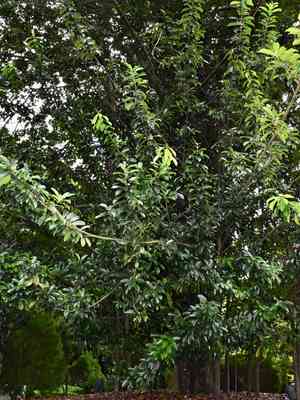
Butter tree (Pentadesma butyracea)
Also known as: African Butter Tree, Butter Tree, False Shea, Kanya Butter Tree
Pentadesma butyracea, known for its straight, cylindrical trunk reaching up to 20 meters, produces large, bright red flowers. These flowers develop into edible berries, and their seeds are utilized to produce butter. The primary pollinator of these sizable flowers is the African bat, Megaloglossus woermanni.
In This Article
Attributes of Butter tree
Lifespan
Perennial
Plant Type
Tree
Plant Height
20-40 meters
Spread
10-15 meters
Leaf Color
Dark Green
Flower Size
6-8 centimeters
Flower Color
Yellow Green Brown
Images of Butter tree
Quickly Identify Butter tree
1
You can recognize Pentadesma butyracea by its tall, columnar trunk and broad, glossy leaves. The tree produces large, yellowish-white flowers and round, oval fruits that encase the seeds from which butter is extracted.
Scientific Classification of Butter tree
Phylum
Vascular plants
Class
Dicotyledons
Order
Malpighiales
Family
Mangosteen
Genus
Pentadesma
Species
Butter tree
Planting and Growing of Butter tree
Care Difficulty
Hard
Watering Schedule
Every 3 days
Sunlight Requirements
Partial sun
Sunshine Duration
6-10 hours
Ideal Temperature
68-86℉
Soil Type
Potting Mix, Peat Mix
Soil pH
5.5-7.5
Fertilizer Type
Balanced
Pruning Season
Spring, Summer
Pruning Area
Branches, Leaves
Pruning Frequency
2 times a year
Repotting Season
Spring
Pot Type
Plastic, Ceramic
 How to Water Butter tree?
Pentadesma butyracea thrives on consistent yet moderate watering. Each session should ensure the soil is moist but not saturated, maintaining a delicate balance key for its health. Water approximately 500 ml each time to simulate a gentle and nurturing swampy environment aligning its natural habitat without overburdening the roots with excess moisture.
What are the symptoms of an underwatered Butter tree?
›
What should I do if my Butter tree is not getting enough water?
›
What are the symptoms of an overwatered Butter tree?
›
How to save an overwatered Butter tree?
›
 What Are the Sunlight Requirements for Butter tree?
Ideal lighting for Pentadesma butyracea includes partial sunlight with about 4-6 hours daily. This balance supports healthy foliage and flowering while preventing stress from light extremes.
Solution for Ideal Light
›
How to Implement This Solution
›
Benefits of Ideal Lighting
›
 What Is the Ideal Temperature Range for Butter tree?
For optimal growth, Pentadesma butyracea thrives best within temperatures of 68°F to 86°F. Within this range, the plant can efficiently perform photosynthesis, absorb nutrients, and maintain its overall health. Any deviation from this range requires adjustments to ensure the plant's thriving condition is maintained.
 What Soil is Best for Butter tree?
Pentadesma butyracea thrives in nutrient-rich soils that provide essential minerals for robust growth. Incorporating organic matter into the soil ensures an adequate supply of nutrients, promoting healthy foliage and increased fruit yield. Good drainage is critical for Pentadesma butyracea as it prevents root rot. Ensure the soil is well-drained by mixing with sand or gravel, aiding in root respiration and fostering a healthy root system. While Pentadesma butyracea needs well-drained soil, moisture retention is also important. Loamy soils with adequate organic matter help retain necessary moisture levels, reducing the need for frequent watering.
 How to Fertilize Butter tree?
For Pentadesma butyracea, it's optimal to use a balanced N-P-K fertilizer diluted to half-strength for liquid applications. Typically, 1-2 tablespoons of liquid fertilizer diluted in a gallon of water is sufficient. For solid fertilizers, apply about 1 pound per application evenly around the base of the plant.
 How to Prune Butter tree?
In the first few years after planting, focus on establishing a strong structure. Remove crossed or inward-growing shoots to promote a balanced framework. This helps in building a sturdy tree that can support healthy growth in subsequent years. For mature Pentadesma butyracea trees, regular pruning involves removing dead, damaged, or diseased branches. This maintenance ensures that the tree remains healthy and continues to grow vigorously, allowing its energy to be focused on strong, new growth.
More About Pruning Techniques→
 How to Propagate Butter tree plant?
1
Utilize a well-draining soil mix to promote healthy growth. A mix of peat, sand, and perlite is recommended to ensure appropriate moisture levels while also preventing waterlogging.
2
Place the seeds on the surface of the soil and gently cover them with a thin layer of soil or vermiculite. This helps to retain moisture while allowing sunlight to initiate the germination process.
3
Water the seeds or cuttings lightly to keep the soil moist but not waterlogged. Begin fertilizing as the seedlings develop leaves, using a diluted, balanced fertilizer every two weeks to promote vigorous growth.
 How to Repot Butter tree plant?
1
Look for signs like roots growing out of the drainage holes, soil drying out rapidly, and a root-bound appearance. These indicate that your Pentadesma butyracea needs more space to thrive.
2
Choose a pot that's 2-4 inches larger in diameter than the current one. This ensures adequate room for growth while preventing waterlogging, which can harm the roots. Opt for pots with good drainage to keep the roots healthy.
3
Select a loamy, well-draining soil mix to mimic the plant's natural habitat. This kind of soil prevents water stagnation, ensuring roots have ample oxygen and minimizing the risk of root rot.



