How to Transplant Utah penstemon?
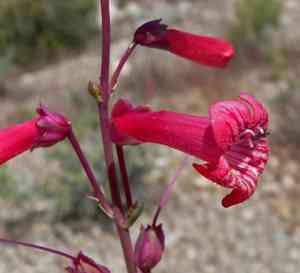
The most suitable period for transplanting utah penstemon spans from spring to early summer, leveraging the temperate conditions for root development. Select a location that receives abundant sunshine and guarantees proper soil drainage. A helpful tip: reduce root disruption to facilitate a smooth acclimation.
What Preparations are Needed Before Transplanting Utah Penstemon?
What is the Ideal Time for Transplanting Utah Penstemon?
For utah penstemon, the optimal period for relocation is during the revitalizing months of spring through early summer. This timeframe encourages strong root development, giving your utah penstemon a head start in its growth cycle. Moving your utah penstemon during these months leverages favorable temperatures and moisture levels, enhancing the plant's recovery and subsequent growth. Embark on this gardening endeavor as nature awakens, ensuring utah penstemon flourishes in its new spot.
How Much Space Should You Leave Between Utah Penstemon Plants?
When positioning your utah penstemon, ensure adequate room for expansion. Position them approximately 1-2 feet (30-60 cm) apart. This allows for proper spread and prevents overcrowding.
What is the Best Soil Mix for Utah Penstemon Transplanting?
Your utah penstemon thrives in well-draining soil. Before planting, enrich your garden soil with organic matter or compost. Incorporate a balanced, slow-release fertilizer to provide your utah penstemon with a solid nutritional foundation.
Where Should You Relocate Your Utah Penstemon?
Locate a sunny position for your utah penstemon. These plants flourish in full sunlight. However, if your garden has partial shade, utah penstemon can tolerate it. Just ensure it receives at least six hours of daylight daily.
What Equipments Should You Prepare Before Transplantation Utah Penstemon?
Gardening Gloves
To safeguard your hands while handling soil and plants.
Shovel
To excavate a hole large enough to accommodate the utah penstemon root ball.
Trowel
To assist in lifting the plant from its original spot without harming the root system.
Wheelbarrow or Bucket
To transport the utah penstemon plant, especially when moving larger specimens.
Watering Can or Hose
To hydrate the utah penstemon plant both prior to and following transplantation.
Pruning Shears
To remove any damaged or deceased portions of the plant.
How Do You Remove Utah Penstemon from the Soil?
How Do You Remove Utah Penstemon from the Soil?
From Ground: First, irrigate the utah penstemon plant to moisten the soil. Next, excavate a wide trench around the plant using a shovel, ensuring the plant's root ball remains intact. Carefully work the trowel beneath the root ball to extract the plant from its initial location.From a Pot: Thoroughly water your potted utah penstemon plant. Invert the pot while supporting the plant at its base and gently shake to loosen it. If it resists, run a knife or trowel along the inner rim of the pot to free it.From a Seedling Tray: Once the utah penstemon seedlings have developed true leaves and a robust root system, they are ready for relocation. Gently lift the seedling by its leaves, not the stem, and use a small spoon or trowel to scoop out the seedling, ensuring the entire root system is included.
Step-by-Step Guide for Transplanting Utah Penstemon
Preparation
Ensure your new planting site is prepared and the hole is dug before commencing the transplanting process. This minimizes the exposure time of the utah penstemon plant roots to the elements.
Plant Removal
Follow the procedure outlined above to safely extract your utah penstemon plant from its original position without damaging the root system.
Planting
Gently place the utah penstemon plant into the hole, ensuring the top of the root ball is level with the soil surface. Carefully backfill around the root ball with the excavated soil, pressing down gently to eliminate any air pockets.
Watering
Thoroughly water the utah penstemon plant using a watering can or hose, ensuring the roots are well covered and the surrounding soil is damp.
Monitoring
Regularly check on the plant during the initial few weeks, ensuring it shows no signs of stress, such as yellowing or wilting foliage.
How Do You Care For Utah Penstemon After Transplanting?
Watering
Ensure the utah penstemon plant remains adequately hydrated. Regularly check soil moisture levels, especially during dry periods.
Pruning
Remove any dead or dying leaves to help conserve the utah penstemon plant's energy and stimulate new growth.
Observation
Monitor the utah penstemon plant for any indications of disease or pests. If anything unusual is observed, take immediate action to prevent its spread.
Temperature
Utah penstemon plants may prefer cooler nighttime temperatures. Endeavor to shield them from extreme weather conditions as much as possible.
Troubleshooting Common Issues with Utah Penstemon Transplantation.
When is the best time to transplant utah penstemon?
The optimal transplanting window for utah penstemon extends from early spring (S1) to late fall (S4). This offers ideal growth conditions.
What should the ideal spacing be when transplanting utah penstemon?
Utah penstemon plants thrive with ample room to expand. For best results, ensure a spacing of 1-2 feet (30-60 cm) between plants.
What type of soil is best for transplanting utah penstemon?
Utah penstemon performs exceptionally well in well-draining soil. This can include sandy, loamy, or rocky soil. Remember, rich, well-aerated soil promotes vigorous growth.
How much water does utah penstemon require after transplanting?
Water utah penstemon generously immediately after transplanting, then reduce to moderate watering. The soil should be moist, but avoid waterlogging to prevent root rot.
What should be the depth of the hole for transplanting utah penstemon?
The transplanting hole should be twice as wide and as deep as the utah penstemon's root ball. This provides ample space for root establishment.
What sunlight requirements does utah penstemon have after transplanting?
Utah penstemon thrives in sunlight. Aim for full sun exposure to partial shade. However, excessive heat can cause wilting, so partial shade may be beneficial in hotter seasons.
How to prepare utah penstemon for transplanting?
Before transplanting, thoroughly water utah penstemon. This softens the root ball, facilitating easier removal from the pot without damaging the root system.
Does utah penstemon need pruning after transplanting?
Utah penstemon typically does not require immediate pruning after transplanting. Allow the plant to root and establish itself. Prune dead or wilting stems later to encourage new growth.
Do I need to use compost or fertilizer while transplanting utah penstemon?
While not essential, incorporating compost or a slow-release fertilizer during transplanting can provide utah penstemon with a beneficial nutrient boost, promoting healthy and vigorous growth.
Any specific care instructions for utah penstemon post-transplant?
Maintain a consistent watering schedule and regularly check soil moisture. Protect utah penstemon from extreme conditions, and apply a layer of mulch to retain moisture and control weeds.



