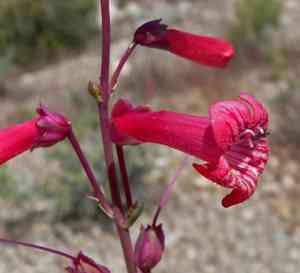
Utah penstemon (Penstemon utahensis)
Also known as: Utah Penstemon, Utah Beardtongue
*Penstemon eatonii*, also known as Utah firecracker, is a perennial herbaceous plant that produces striking red tubular flowers in spring, attracting bees, butterflies, and hummingbirds. The flowers grow along leafless stalks and are typically found in rocky hillsides and woodland environments.
In This Article
Attributes of Utah penstemon
Lifespan
Perennial
Plant Type
Herb
Plant Height
30 cm to 61 cm
Spread
15 cm to 30 cm
Leaf Color
Gray-green
Flower Size
2.5 cm
Flower Color
Red Pink
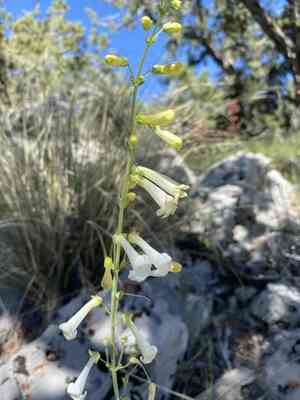
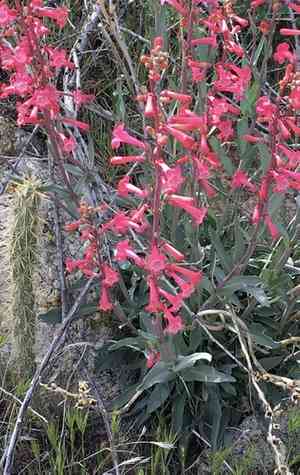
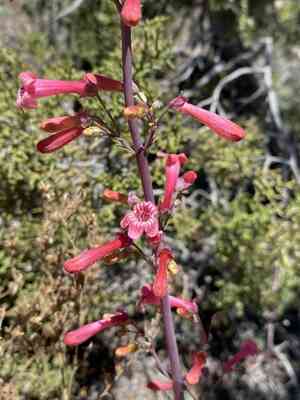
Images of Utah penstemon
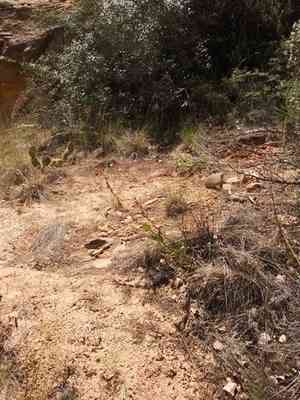
Quickly Identify Utah penstemon
1
You can identify Penstemon utahensis by its slender, upright stems that can grow up to 2 feet tall. The leaves are lance-shaped and usually gray-green in color. The flowers are tubular, typically reddish-pink, and grow in clusters along the stem.
Scientific Classification of Utah penstemon
Phylum
Vascular plants
Class
Dicotyledons
Order
Lamiales
Family
Plantain
Genus
Penstemon
Species
Utah penstemon
Planting and Growing of Utah penstemon
Care Difficulty
Easy
Watering Schedule
Every 2 days
Sunlight Requirements
Full sun
Sunshine Duration
4-6 hours
Ideal Temperature
60-75℉
Soil Type
Potting Mix, Peat Mix
Soil pH
6.5-7.5
Fertilizer Type
Balanced
Pruning Season
Spring, Summer
Pruning Area
Branches, Leaves
Pruning Frequency
2 times a year
Repotting Season
Spring
Pot Type
Plastic, Terracotta
 How to Water Utah penstemon?
For Penstemon utahensis, it’s essential to provide approximately 250 milliliters of water per session. The soil should be allowed to dry out between waterings to mimic its natural drought-tolerant environment. Avoid soggy soil by ensuring any excess water is drained thoroughly.
What are the symptoms of an underwatered Utah penstemon?
›
What should I do if my Utah penstemon is not getting enough water?
›
What are the symptoms of an overwatered Utah penstemon?
›
How to save an overwatered Utah penstemon?
›
 What Are the Sunlight Requirements for Utah penstemon?
Penstemon utahensis thrives in full sun, requiring about 6 to 8 hours of direct sunlight daily. The adequate sun exposure aids in lush growth, promoting vibrant colors and encouraging prolific blooming throughout the growing season.
More About Sunlight Requirements Techniques→
What kind of sunlight does Penstemon utahensis prefer?
›
How can I ensure Penstemon utahensis receives ideal sunlight?
›
What are the benefits of ensuring ideal sunlight exposure for Penstemon utahensis?
›
 What Is the Ideal Temperature Range for Utah penstemon?
Penstemon utahensis thrives best in a temperature range that mirrors its native environment. The ideal range of 60°F to 75°F promotes optimal growth by supporting photosynthesis, nutrient uptake, and overall cellular processes. Deviations from this range can hinder these functions, causing stress and reducing vitality. Understanding this range helps in planning both indoor and outdoor growth strategies to maximize health and flowering potential.
 What Soil is Best for Utah penstemon?
Penstemon utahensis thrives in well-draining soil, which prevents root rot by ensuring excess water doesn't linger around the roots, promoting healthy growth. This plant prefers a nutrient-rich substrate, which helps in providing the necessary minerals and nutrients, fostering robust and vibrant blooming. Penstemon utahensis requires soil with moderate moisture levels, which maintains optimal hydration without the risks of waterlogging, essential for its survival in an arid environment.
 How to Fertilize Utah penstemon?
When applying fertilizer to Penstemon utahensis, use a balanced 10-10-10 liquid or slow-release fertilizer. For liquid fertilizers, dilute to half-strength to prevent root burn and apply no more than 1 tablespoon per application. For solid fertilizers, lightly scatter about 1 tablespoon per square foot of soil area, ensuring it is evenly distributed. Be mindful that too much fertilizer can lead to lush foliage at the expense of flowers.
 How to Prune Utah penstemon?
Start by using clean, sharp pruning shears. Remove any dead or diseased stems to promote plant health. Trim back the plant by about one-third of its height to encourage bushier growth. Try to cut just above a set of healthy leaves or a bud to stimulate new growth. Regularly deadhead spent flowers during the blooming season. This prevents the plant from using energy to produce seeds and instead redirects it towards further blooming and overall vitality. At the end of the fall, consider a more thorough pruning. Cut back stems to nearly ground level to protect the plant from winter damage and prepare it for robust growth in the next spring.
More About Pruning Techniques→
 How to Propagate Utah penstemon plant?
1
Collect seeds from mature Penstemon utahensis plants by allowing seed pods to dry on the plant, then breaking them open and gathering the seeds. Make sure to label and store them in a cool, dry place until ready to sow.
2
Select a healthy stem from the plant, ideally in early spring. Use pruning shears to cut a 4-6 inch section. Remove the lower leaves and dip the cut end in rooting hormone to encourage root growth.
3
For seeds, plant them in seed trays lightly covered with soil, and for cuttings, place the cut end in a pot of moistened potting mix. Keep the medium consistently moist to encourage germination or rooting.
 How to Repot Utah penstemon plant?
1
Penstemon utahensis should be repotted when it shows signs of being root-bound. Look for roots emerging from the drainage holes or if the plant's growth has significantly slowed. These are indicators that the roots need more room to grow.
2
Select a pot that is one to two inches larger in diameter than the current one. Ensure it has adequate drainage holes. A slightly larger pot gives the roots space to grow while preventing waterlogging, which can lead to root rot.
3
Opt for a well-draining cactus mix, rich in minerals and slightly sandy. This soil type mimics its natural habitat, helping prevent root rot and providing the necessary support and nutrients for growth.
Learn More About Utah penstemon Diseases
Anthracnose
Bacterial Leaf Spot
Bacterial Wilt
Chemical Injury
Crown Gall
Cyst Nematode
Damping-off
Downy Mildew
Drought Stress
Fusarium Wilt
Gray Mold
Leaf Curl
Leaf Spot
Mosaic
Nutrient Deficiency
Nutrient Toxicity
Powdery Mildew
Root Rot
Root-knot Nematode
Rusts
Sooty Mold
Spider Mites
Temperature Stress
Thrips Damage
White Mold



