How to Transplant Eggleaf beardtongue?
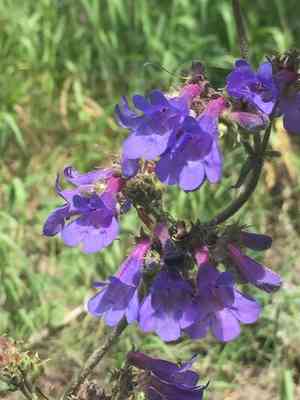
Eggleaf beardtongue flourishes when relocated during the lively period of early to late spring, benefiting from mild temperatures and steady hydration. Select a site receiving full sun to partial shade with adequately draining earth to guarantee peak development.
What Preparations are Needed Before Transplanting Eggleaf Beardtongue?
What is the Ideal Time for Transplanting Eggleaf Beardtongue?
Eggleaf beardtongue, a perennial, is best moved from early to late spring. This timeframe allows the plant to establish its root system prior to summer's heat. Transplanting during this period takes advantage of optimal soil moisture and temperature, fostering robust growth and minimizing transplant shock.
How Much Space Should You Leave Between Eggleaf Beardtongue Plants?
When relocating eggleaf beardtongue, position your plants 12-18 inches (30-45 cm) apart. This ensures each plant has ample room to develop and thrive without becoming overcrowded.
What is the Best Soil Mix for Eggleaf Beardtongue Transplanting?
Prepare well-draining soil for eggleaf beardtongue and incorporate some compost or a balanced slow-release fertilizer to give your plants a healthy start. Aim for soil rich in organic matter.
Where Should You Relocate Your Eggleaf Beardtongue?
Select a site with full sun to partial shade for transplanting eggleaf beardtongue. This will offer the most favorable conditions for growth and flowering.
What Equipments Should You Prepare Before Transplantation Eggleaf Beardtongue?
Gardening Gloves
To safeguard your hands while handling soil and plants.
Hand Trowel
For excavating small holes and working with the earth.
Shovel or Spade
To dig larger holes and trenches for the relocation process.
Watering Can or Hose
For hydrating the plant before and after its move.
Soil Knife or Transplanter
To assist in lifting the plant if it's in a container or seedling tray.
Wheelbarrow (optional)
To transport the plant if it is large and heavy.
How Do You Remove Eggleaf Beardtongue from the Soil?
How Do You Remove Eggleaf Beardtongue from the Soil?
From Ground: First, irrigate the eggleaf beardtongue plant to moisten the soil. Then, dig a wide trench around the plant using a shovel or spade, ensuring the plant's root ball remains intact. Carefully work the spade beneath the root ball to lift the plant from its original spot.From Pot: Gently tilt the pot sideways and tap the base to loosen the soil. Slide the plant out, supporting the stem's base. If roots are tightly bound, gently separate them with your fingers or use a soil knife.From Seedling Tray: Water the seedlings beforehand. Use a transplanter or your finger to gently lift the eggleaf beardtongue seedling out of the tray, keeping as much soil around the roots as possible.
Step-by-Step Guide for Transplanting Eggleaf Beardtongue
Site Preparation
Prepare the new location by digging a hole twice as wide and deep enough to accommodate the eggleaf beardtongue's root ball. Ensure the hole has loosened soil at the bottom to aid root establishment.
Plant Placement
Position the eggleaf beardtongue into the hole, making sure it sits at the same depth as it was in its previous location. The top of the root ball should be flush with the ground surface.
Backfilling
Fill the hole with soil, pressing gently around the plant's base to eliminate any air pockets. Be careful not to compact the soil too tightly as eggleaf beardtongue roots require good aeration.
Watering
After transplanting, water thoroughly but gently to help settle the soil around the roots. This initial watering is vital for reducing transplant shock and establishing the plant.
How Do You Care For Eggleaf Beardtongue After Transplanting?
Watering
Keep the soil around the eggleaf beardtongue consistently moist, but not waterlogged, for the first few weeks after transplanting to help establish strong roots.
Mulching
Apply a layer of mulch around the base of the eggleaf beardtongue to help retain soil moisture, regulate temperature, and reduce weed competition.
Monitoring
Regularly inspect the plant for any indications of stress such as wilting, yellowing leaves, or pests. Address issues promptly to help the plant adjust to its new location.
Support (if needed)
If the plant is tall or has delicate stems, consider providing support with stakes or a small trellis to help it stay upright, especially in windy areas.
Troubleshooting Common Issues with Eggleaf Beardtongue Transplantation.
When is the best time to transplant eggleaf beardtongue?
The optimal period for relocating eggleaf beardtongue is from early spring to late spring.
How much space should I leave between eggleaf beardtongue plants?
Ensure you leave 12-18 inches (30-45 cm) between each eggleaf beardtongue plant for optimal growth.
What soil type is best for eggleaf beardtongue transplants?
Eggleaf beardtongue thrives in well-draining, sandy or loamy soil enriched with organic matter.
How should I prepare eggleaf beardtongue before transplanting?
Water the plant thoroughly and prune any damaged roots or leaves before transplanting eggleaf beardtongue.
How deep should I plant eggleaf beardtongue during transplanting?
Plant eggleaf beardtongue at the same depth it was previously growing to avoid stress.
How can I reduce transplant shock in eggleaf beardtongue?
Keep the soil moist and provide partial shade initially to help eggleaf beardtongue acclimate smoothly.
What should I do if eggleaf beardtongue wilts after transplanting?
Increase watering slightly and ensure eggleaf beardtongue is not exposed to extreme sunlight immediately.
How important is it to fertilize eggleaf beardtongue after transplanting?
Wait a few weeks before fertilizing eggleaf beardtongue to let the roots settle naturally.
How often should I water eggleaf beardtongue after transplanting?
Water eggleaf beardtongue regularly to keep the soil moist but not waterlogged for the first few weeks.
What kind of mulch is best for eggleaf beardtongue after transplanting?
Use organic mulch like straw or bark chips to conserve moisture and protect eggleaf beardtongue.



