How to Transplant Mojave beardtongue?
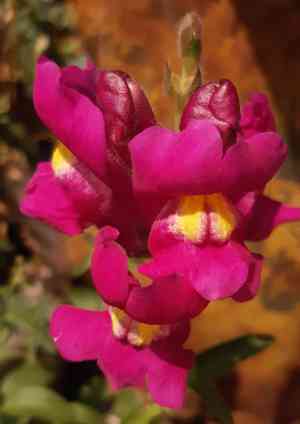
Mojave beardtongue flourishes optimally when relocated during the early to mid-spring period or from mid to late autumn, thereby circumventing intense summer temperatures. Select a bright spot featuring soil that drains effectively. Verify that the root structure remains undisturbed to minimize the impact of transplantation.
What Preparations are Needed Before Transplanting Mojave Beardtongue?
What is the Ideal Time for Transplanting Mojave Beardtongue?
The best periods for relocating mojave beardtongue are early to mid-spring and mid to late autumn. During these times, the ground is damp and temperatures are mild, which lessens transplant shock and encourages root development. Moving mojave beardtongue in these seasons ensures better root growth and prepares the plant to flourish in the upcoming active growth phases.
How Much Space Should You Leave Between Mojave Beardtongue Plants?
Mojave beardtongue should be spaced 12-18 inches (30-45 cm) apart. This will provide ample room for air circulation and expansion. Proper spacing helps prevent diseases and supports healthy root growth.
What is the Best Soil Mix for Mojave Beardtongue Transplanting?
Mojave beardtongue prefers sandy or loamy soil that drains well. Before transplanting, mix in some compost to enrich the soil and supply vital nutrients. If necessary, you can add a balanced base fertilizer to give mojave beardtongue a strong start.
Where Should You Relocate Your Mojave Beardtongue?
Select a spot that receives full sun, meaning at least 6 hours of direct sunlight daily. This will help mojave beardtongue thrive and produce beautiful flowers. Sufficient sun exposure is crucial for its development and blooming.
What Equipments Should You Prepare Before Transplantation Mojave Beardtongue?
Gardening Gloves
To safeguard your hands while handling soil and plants.
Shovel or Spade
For excavating the hole and trench around the plant.
Trowel
A smaller implement for precise digging tasks.
Watering Can or Hose
To hydrate the plant before and after its relocation.
Mulch
To assist in retaining soil moisture.
How Do You Remove Mojave Beardtongue from the Soil?
How Do You Remove Mojave Beardtongue from the Soil?
From Ground: First, water the mojave beardtongue plant to moisten the soil. Then, dig a wide trench around the plant using a shovel or spade, ensuring the plant's root ball remains intact. Carefully work the spade under the root ball to lift the plant from its original spot.From Pot: Water the mojave beardtongue plant to moisten the soil. Gently tip the pot on its side and slide the plant out, supporting the root ball with your hand. If the plant is stuck, tap the sides of the pot or squeeze it slightly to loosen the root ball.From Seedling Tray: Water the mojave beardtongue seedlings to moisten the soil. Use a trowel or your fingers to carefully lift each seedling from the tray, ensuring you keep as much soil around the roots as possible.
Step-by-Step Guide for Transplanting Mojave Beardtongue
Prepare Hole
Dig a hole in the new location that is large enough to accommodate the root ball of your mojave beardtongue plant. The hole should be roughly twice the width and the same depth as the root ball.
Remove Plant
Carefully remove the mojave beardtongue plant from its original location (refer to the removal process above).
Transfer Plant
Place the plant in the center of the hole, ensuring that the top of the root ball is level with or slightly above the surrounding soil.
Backfill Soil
Backfill the hole with the original soil, gently packing it down to eliminate air pockets. Be careful not to compact the soil too much, as mojave beardtongue plants prefer well-aerated soil.
Water Thoroughly
Water the plant well immediately after transplanting to help settle the soil and start the rooting process.
How Do You Care For Mojave Beardtongue After Transplanting?
Watering
Keep the soil around the mojave beardtongue consistently moist, but not soggy, for the first few weeks after transplanting to help establish strong roots.
Mulching
Apply a layer of mulch around the base of the mojave beardtongue but keep it away from the stem to help retain soil moisture and regulate temperature.
Monitoring
Regularly check the plant for any signs of stress, such as wilting leaves or discoloration. Adjust watering if necessary.
Troubleshooting Common Issues with Mojave Beardtongue Transplantation.
When is the best time to transplant mojave beardtongue?
Relocate mojave beardtongue during early to mid-spring, mid to late fall, or early winter for optimal outcomes.
How much space should I give between transplants?
Maintain a spacing of 12-18 inches (30-45 cm) between each mojave beardtongue plant for optimal growth.
How deep should I plant mojave beardtongue seedlings?
Plant mojave beardtongue seedlings at the same depth they were previously growing to avoid stress.
What type of soil is best for mojave beardtongue?
Mojave beardtongue thrives in well-draining soil with a sandy or rocky composition to prevent root rot.
How much water does mojave beardtongue need after transplanting?
Water mojave beardtongue moderately after transplanting, ensuring the soil stays moist but not waterlogged.
Should I fertilize mojave beardtongue after transplanting?
Fertilizing mojave beardtongue isnât necessary immediately after transplanting; wait until it is well-established before fertilizing.
How can I protect mojave beardtongue from transplant shock?
Water thoroughly and provide partial shade for the first few days to minimize transplant shock in mojave beardtongue.
Are there any pests I should watch out for with mojave beardtongue?
Aphids can be a concern for mojave beardtongue. Regularly check for pests and use insecticidal soap if needed.
Can I transplant mojave beardtongue in the summer?
Avoid transplanting mojave beardtongue in the summer as high temperatures can cause excess stress to the plant.
Is mulching beneficial for newly transplanted mojave beardtongue?
Mulching around mojave beardtongue helps retain soil moisture and reduce weed growth, benefiting new transplants.



