How to Prune Mojave beardtongue?
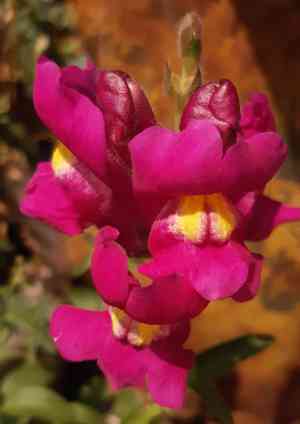
The Mojave beardtongue, known for its vivid flowers and distinctive leaves, thrives when pruned in early spring or late winter. Start by excising any deceased or compromised stalks to stimulate vigorous development. Reduce density in congested sections to enhance air movement and light exposure. Concentrate on cultivating an aesthetically pleasing plant, fostering fresh shoots, and averting ailments. Consistent trimming boosts flowering and general plant well-being, leading to a more spectacular garden presentation.
What Are the Benefits of Pruning Mojave Beardtongue?
What Are the Benefits of Pruning Mojave Beardtongue?
Trimming mojave beardtongue helps maintain its form and promotes robust development. Regular cutting eliminates dead or diseased parts, fostering healthier leaves and boosting overall vigor. Proper trimming also enhances blooming, ensuring a more vibrant and appealing display.
What Is the Best Time for Pruning Mojave Beardtongue?
What Is the Best Time for Pruning Mojave Beardtongue?
Pruning mojave beardtongue in early spring or late winter is optimal as this period aligns with the plant's inactive phase, ensuring minimal stress and encouraging strong growth as the active season approaches. During dormancy, mojave beardtongue is less vulnerable to harm and illness, supporting overall plant health and flowering potential.
What Tools Do I Need to Prune Mojave Beardtongue?
Bypass pruners
These are perfect for making clean cuts on living wood without crushing the stems of mojave beardtongue. They are ideal for deadheading and trimming small branches.
Handheld pruning saw
Useful for cutting through thicker, woody stems of mojave beardtongue that bypass pruners cannot manage. It ensures a clean cut to prevent plant damage.
Loppers
Essential for reaching and cutting thicker stems or branches that are slightly out of reach. They provide more leverage and are suitable for the woody growth of mojave beardtongue.
Gloves
Protective gloves are important to guard against any sharp stems and to provide a better grip when pruning mojave beardtongue.
How to Prune Mojave Beardtongue
Inspect
Carefully examine mojave beardtongue for any indications of diseased or withered leaves. Look for discoloration, spots, or wilting.
Disinfect tools
Before pruning, sanitize your pruning tools with a solution of one part bleach to nine parts water to prevent the spread of diseases.
Remove diseased leaves
Gently cut away any diseased leaves at their base, ensuring you remove all affected parts to prevent further infection.
Trim withered leaves
Snip off any withered leaves close to the stem, taking care not to damage the healthy parts of mojave beardtongue.
Dispose properly
Dispose of all removed leaves properly, preferably by burning or sealing in a plastic bag to prevent the spread of disease.
Common Pruning Mistakes with Mojave Beardtongue
Pruning at the wrong time of year
Pruning mojave beardtongue at an incorrect time can harm the plantâs growth and flowering potential. Timing is critical for optimal plant health.
Over pruning
Removing too much foliage or stems can stress the plant, reducing its ability to photosynthesize and store energy, leading to poor growth and flowering.
Improper tool use
Using dull or unsuitable tools can cause jagged cuts, increasing the risk of disease and pest infestations.
Ignoring the plantâs natural shape
Not respecting mojave beardtongueâs natural growth form can result in an unnaturally shaped plant, which may be more prone to damage and disease.
Common Pruning Tips for Mojave Beardtongue
Use sharp clean tools
Always use sharp, clean pruning shears or scissors to make clean cuts, minimizing the risk of disease and encouraging quicker healing.
Remove dead or damaged wood
Cut away any dead, damaged, or diseased stems to promote healthy growth and reduce the risk of spreading diseases.
Make cuts at an angle
Angle your cuts to prevent water from sitting on the cut surfaces and reduce the risk of rot. Ensure you cut just above a node or bud to encourage new growth.
Limit pruning amount
Avoid removing more than one-third of the plant at a time to prevent unnecessary stress. This helps maintain the plant's energy balance and ensures healthier regrowth.
Avoid cutting main stems
Focus on thinning out smaller lateral branches rather than cutting main stems or trunks, which can significantly weaken mojave beardtongue.
Respect the natural shape
Follow the natural growth habit of mojave beardtongue to maintain its shape and structure. This promotes healthier development and avoids unnecessary plant stress.



