How to Transplant Gairdner's beardtongue?
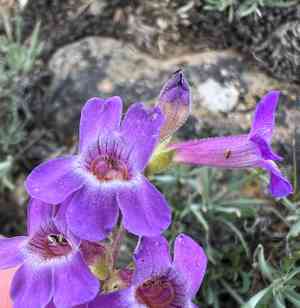
Gairdner's beardtongue is most successfully relocated from the beginning to the end of spring, benefiting from ideal growing circumstances. Select a site that receives full sun to partial shade and possesses good drainage. Provide steady hydration, avoiding oversaturation, to facilitate rapid establishment of the plant.
Essential Preparations Before Relocating Gairdner's Beardtongue
Optimal Period for Moving Gairdner's Beardtongue?
Relocate gairdner's beardtongue ideally from early to late spring or mid to late fall. These times encourage prime root establishment due to moderate temperatures and increased soil moisture. This timing minimizes transplant shock and supports vigorous growth, ensuring gairdner's beardtongue flourishes in its new spot.
Required Spacing Between Gairdner's Beardtongue Plants?
For gairdner's beardtongue to thrive, position your transplants 12-18 inches (30-45 cm) apart. This spacing allows ample room for development and good air circulation, reducing disease risk and fostering healthy plant growth.
Best Soil Mixture for Gairdner's Beardtongue Relocation?
Prepare well-draining soil for gairdner's beardtongue by incorporating compost or aged manure to enrich and loosen the earth. If your garden soil is heavy clay, consider adding sand or perlite to enhance drainage. A foundational fertilizer with balanced nutrients can also help boost initial development.
Where to Replant Your Gairdner's Beardtongue?
Select a sunny location for gairdner's beardtongue, as it thrives with at least 6 hours of direct sunlight daily. If your garden has partial shade, try to choose a spot that still receives abundant morning light for optimal outcomes.
Tools to Gather Before Moving Gairdner's Beardtongue
Gardening Gloves
To safeguard your hands while handling soil and plants.
Shovel or Spade
For excavating around the plant and creating the new planting hole.
Trowel
Useful for smaller, more precise digging tasks.
Watering Can or Hose
For hydrating the plant before and after relocation.
Pruning Shears
To trim any damaged roots or stems during the transplanting process.
Wheelbarrow
Convenient for moving the plant if it is large or heavy.
Stakes and Ties
To support the plant as it settles into its new environment.
Method for Extracting Gairdner's Beardtongue from the Soil?
Method for Extracting Gairdner's Beardtongue from the Soil?
From Ground: First, hydrate the gairdner's beardtongue plant to moisten the soil. Next, dig a wide trench around the plant using a shovel or spade, ensuring the plant's root ball remains intact. Carefully work the spade beneath the root ball to lift the plant from its original spot.From Pot: Gently tilt the pot on its side and tap the exterior to loosen the soil. Hold the base of the gairdner's beardtongue plant and carefully slide it out, supporting the root ball with your other hand.From Seedling Tray: Use a trowel or your fingers to carefully scoop out the gairdner's beardtongue plant, ensuring you take a sufficient amount of soil around its roots. Handle the seedlings by their leaves, not the stem, to prevent harm.
Step-by-Step Instructions for Relocating Gairdner's Beardtongue
Site Preparation
Prepare the new planting area by digging a hole that is twice as wide and equally deep as the root ball of your gairdner's beardtongue plant.
Soil Preparation
Loosen the soil at the bottom and sides of the hole to facilitate root expansion.
Planting
Position the gairdner's beardtongue plant in the hole at the same depth it was in its previous location. Fill the hole with soil, gently firming it around the root ball to remove air pockets.
Watering
Thoroughly water the gairdner's beardtongue immediately after planting to settle the soil and aid root establishment.
Post-Transplant Care for Gairdner's Beardtongue
Watering
Keep the soil around the gairdner's beardtongue consistently moist, but not waterlogged, for the initial weeks after transplanting to help establish strong roots.
Mulching
Apply a layer of mulch around the base of the gairdner's beardtongue to retain moisture and suppress weeds.
Support
If the gairdner's beardtongue is tall or in a windy area, use stakes and ties to provide support until it develops a strong root system.
Monitoring
Regularly inspect the gairdner's beardtongue for signs of stress or pests, and address any issues promptly to ensure healthy growth.
Resolving Common Issues with Gairdner's Beardtongue Relocation.
When is the best time to move gairdner's beardtongue?
The ideal period to relocate gairdner's beardtongue is early spring to late spring or mid to late fall.
What spacing should I use for gairdner's beardtongue plants?
Space gairdner's beardtongue plants 12-18 inches (30-45 cm) apart to ensure adequate growth and airflow.
How do I prepare the soil for moving gairdner's beardtongue?
Ensure the soil is well-draining and enriched with organic matter. Loosen it to about 10 inches (25 cm).
What if my relocated gairdner's beardtongue appears wilted?
Check soil moisture and adjust water levels. Provide partial shade during the initial recovery period.
How do I handle root-bound gairdner's beardtongue before moving?
Gently loosen the roots using your fingers and trim any excessively long ones to encourage growth.
What is the ideal depth for planting gairdner's beardtongue?
Plant gairdner's beardtongue at the same depth it was growing previously to avoid stress and ensure stability.
Should I fertilize gairdner's beardtongue immediately after moving?
Wait a few weeks before fertilizing to allow gairdner's beardtongue to acclimate. Use a balanced, slow-release fertilizer.
How much water does gairdner's beardtongue need post-relocation?
Water gairdner's beardtongue thoroughly after transplanting and keep the soil moist but not waterlogged for the first few weeks.
How can I protect relocated gairdner's beardtongue from pests?
Inspect regularly for pests and use organic insect repellents if necessary. Healthy plants are less vulnerable.
Can I move gairdner's beardtongue during winter?
Relocation can be done in early winter, provided the ground is not frozen and conditions are mild.



