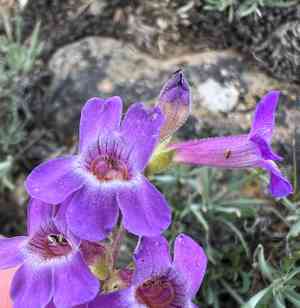
Gairdner's beardtongue (Penstemon gairdneri)
Also known as: Gairdner's beardtongue, Gairdner's penstemon
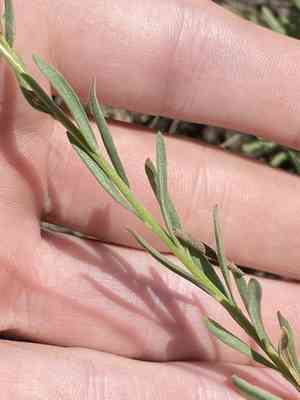
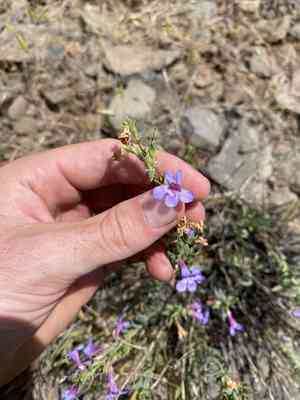
Gairdner's beardtongue is a perennial herb known for its tubular flowers, which can be pale to deep blue or violet, sometimes tinged with pink. It features lance-shaped leaves that clasp the stem, offering a verdant contrast to its vibrant blooms. This resilient plant flourishes in well-drained soils, commonly found in rocky areas and open woodlands. Adapted to withstand seasonal droughts, it has a deep taproot system. Its striking flowers attract many pollinators, contributing significantly to its ecosystem.
In This Article
Attributes of Gairdner's beardtongue
Lifespan
Perennial
Plant Type
Herb
Plant Height
30 cm
Spread
N/A
Leaf Color
Green
Flower Size
1 to 2 inches (2.5 to 5 cm)
Flower Color
Blue to purple
Images of Gairdner's beardtongue
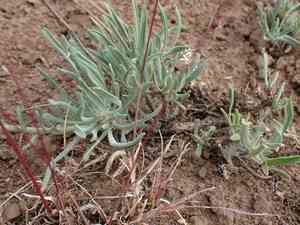
Quickly Identify Gairdner's beardtongue
1
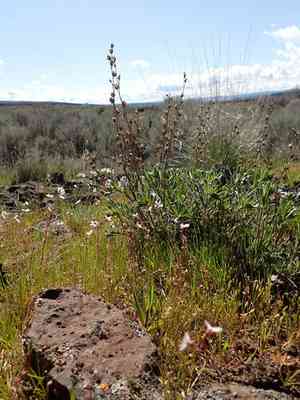
Penstemon gairdneri can be identified by its tubular flowers that range in color from blue to purple. The leaves are lanceolate, and the stems are generally erect. The plant often grows in clumps and prefers well-drained soils in sunny locations.
Scientific Classification of Gairdner's beardtongue
Phylum
Vascular plants
Class
Dicotyledons
Order
Lamiales
Family
Plantain
Genus
Penstemon
Species
Gairdner's beardtongue
Planting and Growing of Gairdner's beardtongue
Care Difficulty
Moderate
Watering Schedule
Every 3 days
Sunlight Requirements
Full sun
Sunshine Duration
4-8 hours
Ideal Temperature
65-75℉
Soil Type
Potting Mix, Peat Mix
Soil pH
6.5-7.5
Fertilizer Type
Balanced
Pruning Season
Spring, Summer
Pruning Area
Branches, Leaves
Pruning Frequency
2 times a year
Repotting Season
Spring
Pot Type
Plastic, Ceramic
 How to Water Gairdner's beardtongue?
Penstemon gairdneri requires a strategic approach to its watering needs. A balance must be struck, watering it with 200ml each session. Ensure the soil is moist but not waterlogged, allowing it to dry slightly between waterings. A pot with good drainage can help manage this balance effectively.
What are the symptoms of an underwatered Gairdner's beardtongue?
›
What should I do if my Gairdner's beardtongue is not getting enough water?
›
What are the symptoms of an overwatered Gairdner's beardtongue?
›
How to save an overwatered Gairdner's beardtongue?
›
 What Are the Sunlight Requirements for Gairdner's beardtongue?
Partial to full sun allows Penstemon gairdneri to flourish, ensure robust flowering, and maintain healthy foliage, benefiting from optimum photosynthesis without the risk of sun damage.
What is the best place to position Penstemon gairdneri for ideal lighting?
›
Is full sun exposure beneficial for Penstemon gairdneri?
›
How can sunlight intensity be managed for Penstemon gairdneri?
›
 What Is the Ideal Temperature Range for Gairdner's beardtongue?
For optimal growth, Penstemon gairdneri thrives best in temperatures ranging from 65°F to 75°F. This range allows the plant to maintain its metabolic processes efficiently, promoting healthy foliage and vibrant flowers.
 What Soil is Best for Gairdner's beardtongue?
Penstemon gairdneri thrives in well-draining soil because it prevents root rot by reducing water retention. This particular soil type allows excess water to percolate through, ensuring the plant roots are not waterlogged, which is critical for maintaining healthy root systems. For optimal growth, Penstemon gairdneri benefits from nutrient-rich soil that provides essential minerals and organic matter, supporting robust plant health and encouraging vibrant flowering. A balanced nutrient composition in the soil ensures that the plant receives all the necessary elements for photosynthesis and growth processes. Penstemon gairdneri prefers a soil pH range of 6.5 to 7.5, which provides an ideal environment for nutrient availability. This pH level ensures that micronutrients like iron and zinc remain soluble, facilitating their uptake by the plant roots, and preventing nutrient deficiencies.
 How to Fertilize Gairdner's beardtongue?
For Penstemon gairdneri, a balanced fertilizer with a formulation of 10-10-10 is ideal. Apply a diluted solution at the rate of 1 teaspoon per gallon of water. This ensures that the plant receives a steady supply of nutrients without overwhelming its roots.
 How to Prune Gairdner's beardtongue?
Begin by sterilizing your pruning tools to prevent disease spread. Identify any dead, diseased, or damaged stems and branches. Use sharp, clean shears to cut these back to the base of the plant, making sure to leave a clean cut to facilitate healing. To maintain Penstemon gairdneri's natural shape, trim back stems selectively. Focus on reducing height and encouraging denser growth by cutting just above a node or pair of leaves. This stimulates new, lush growth and results in a more aesthetically pleasing appearance.
More About Pruning Techniques→
 How to Propagate Gairdner's beardtongue plant?
1
Begin by filling a seed tray with a well-draining soil mix. Sow the Penstemon gairdneri seeds on the surface and lightly cover them with soil. Water gently to keep the soil moist without waterlogging.
2
Select healthy stems from the parent plant, cutting about 4 inches below a node. Remove the lower leaves and dip the cut end in rooting hormone before planting into a prepared potting mix.
3
Dig up the mature Penstemon gairdneri plant during early spring. Carefully divide the root clump into smaller sections, ensuring each has a healthy amount of roots and shoots for successful regeneration.
 How to Repot Gairdner's beardtongue plant?
1
For Penstemon gairdneri, the ideal time to repot is in spring when the plant starts showing signs of outgrowing its current pot. Look for roots poking through the drainage holes or stunted growth, as these are indications that the plant needs more space.
2
Choose a pot that is one size larger than the current one, with ample drainage holes. This ensures the roots have enough room to grow and helps prevent waterlogging, which is crucial for the plant's health.
3
Opt for a well-draining sandy soil mix, as it imitates the plant's natural habitat. This type of soil prevents excess moisture retention, reducing the risk of root rot while providing essential nutrients for growth.
Learn More About Gairdner's beardtongue Diseases
Anthracnose
Bacterial Leaf Spot
Bacterial Wilt
Black Spot
Chemical Injury
Crown Gall
Damping-off
Downy Mildew
Drought Stress
Fusarium Wilt
Gray Mold
Leaf Curl
Leaf Spot
Mosaic
Nutrient Deficiency
Nutrient Toxicity
Powdery Mildew
Root Rot
Root-knot Nematode
Rusts
Sooty Mold
Spider Mites
Temperature Stress
Thrips Damage
White Mold



