How to Transplant Fuzzytongue penstemon?
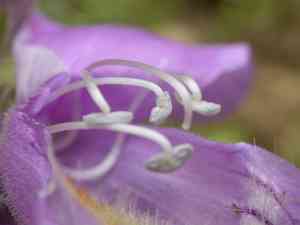
For Penstemon eriantherus, the ideal period for relocation is from mid-spring to early summer, leveraging moderate temperatures for root development. Select a sunny location featuring soil that drains effectively. Minimizing disruption to the root system will significantly enhance its chances of thriving.
What Preparations are Needed Before Transplanting Fuzzytongue Penstemon?
What is the Ideal Time for Transplanting Fuzzytongue Penstemon?
Relocate fuzzytongue penstemon during the pleasant warmth of mid-spring to early summer. This timeframe allows roots to establish before intense heat, ensuring vigorous blooms. Moving fuzzytongue penstemon then capitalizes on the gently warming soil, promoting strong root development, while mild weather aids recovery, setting the stage for a spectacular display. A helpful hint: optimal transplanting aligns with this window, giving your fuzzytongue penstemon the best start in its new spot!
How Much Space Should You Leave Between Fuzzytongue Penstemon Plants?
When moving fuzzytongue penstemon, ensure proper spacing. A general guideline for fuzzytongue penstemon is to maintain a distance of 2-3 feet (0.6-0.9 meters) between each plant. This provides ample room for each plant to develop fully.
What is the Best Soil Mix for Fuzzytongue Penstemon Transplanting?
The perfect soil for fuzzytongue penstemon should drain well. Before transplanting, establish a base with a slow-release granular fertilizer. This will enrich the soil's nutrient content and boost the growth of fuzzytongue penstemon.
Where Should You Relocate Your Fuzzytongue Penstemon?
Choose a site that receives full sun to partial shade for fuzzytongue penstemon. This plant thrives in sunlight! However, be sure not to position fuzzytongue penstemon in an area that becomes excessively hot or has reflected heat from a wall or paved surface.
What Equipments Should You Prepare Before Transplantation Fuzzytongue Penstemon?
Shovel or Spade
To excavate the fuzzytongue penstemon without harming its root system. Also assists in moving it to a new location.
Gardening Gloves
To safeguard your hands while handling soil and the plant.
Watering Can
To hydrate fuzzytongue penstemon before and after the transplant. This facilitates easy root extraction and establishment in the new spot.
Wheelbarrow
To transport the fuzzytongue penstemon plant, especially if it's large and you're moving it a considerable distance.
Gardening Fork
May be useful for loosening the soil around the root ball.
Measuring Tape
For determining the depth and width of the planting hole to match the fuzzytongue penstemon's root ball.
How Do You Remove Fuzzytongue Penstemon from the Soil?
How Do You Remove Fuzzytongue Penstemon from the Soil?
From Ground: Water the fuzzytongue penstemon plant thoroughly the day before the scheduled transplant to moisten the soil, making it easier to extract the plant while keeping the root ball intact. On transplant day, dig a wide trench around the plant, being careful not to disturb the root ball. Use your shovel or spade to gently work around and under the root ball, then carefully lift the plant from its current spot.From Pot: Water the fuzzytongue penstemon plant well, then turn the pot on its side, hold it gently, and tap the bottom of the pot until the plant slides out. Avoid pulling the plant, as this can damage the roots. If the plant is stuck, you might need a knife or gardening fork to loosen the soil and ease it out.From Seedling Tray: Using a dibber or a pencil, create a hole large enough for the seedlingâs roots. Gently lift the fuzzytongue penstemon seedling by its leaves to prevent stem damage and place it into the hole. Fill the hole with compost and water thoroughly.
Step-by-Step Guide for Transplanting Fuzzytongue Penstemon
Preparation
Begin by digging a hole that is twice as wide and the same depth as the fuzzytongue penstemon's current root ball. This provides ample room for the roots to spread. Ensure the area is free of weeds before you start.
Placing
Gently position the fuzzytongue penstemon plant into the hole. The top of the root ball should be level with the ground. Adjust the hole's depth if necessary.
Backfilling
Carefully fill the hole around the fuzzytongue penstemon with native soil or compost, taking care not to harm the roots or stem.
Watering
Water the fuzzytongue penstemon plant thoroughly immediately after transplanting. This helps the plant settle into its new location and reduces transplant shock.
How Do You Care For Fuzzytongue Penstemon After Transplanting?
Watering
Ensure the fuzzytongue penstemon receives ample water during the initial weeks post-transplant. This aids in developing strong roots. Avoid overwatering; the soil should be damp but not soggy.
Pruning
If the fuzzytongue penstemon exhibits signs of shock, such as wilting, you may trim back some foliage to lessen its water demands.
Protection
Depending on the weather, you might need to shield the newly transplanted fuzzytongue penstemon from intense sunlight or strong winds during the first few days after relocation.
Monitoring
Closely observe the fuzzytongue penstemon. If the foliage begins to yellow or the plant appears generally unwell, re-evaluate its conditions. It might require more or less sunlight, water, or a different type of care.
Troubleshooting Common Issues with Fuzzytongue Penstemon Transplantation.
What's the optimal time to transplant fuzzytongue penstemon?
The ideal period to transplant fuzzytongue penstemon is from late spring to early fall (S2-S4). This allows the plant a robust growing season to establish itself.
What is the right spacing for fuzzytongue penstemon when transplanting them?
When transplanting fuzzytongue penstemon, aim for a spacing of 2-3 feet (60-90 cm) between them. Proper spacing ensures adequate light, nutrients, and airflow, crucial for their growth.
How much should I water fuzzytongue penstemon after transplanting them?
After transplanting fuzzytongue penstemon, water them thoroughly, ensuring the soil is moist but not waterlogged. Adjust based on climate, watering less during cooler or rainy periods.
Should I be worried if the transplanted fuzzytongue penstemon wilts initially?
Do not be concerned if newly-transplanted fuzzytongue penstemon show some initial wilting. This is normal as they adapt to their new surroundings. Maintain proper care, and they will generally recover.
What soil condition does fuzzytongue penstemon prefer during transplantation?
Fuzzytongue penstemon thrives in well-draining soil. A balanced mix of sandy, loam, or clay soil enriched with organic matter provides an excellent texture for growing fuzzytongue penstemon.
Do I need to prune fuzzytongue penstemon before or after transplanting them?
Lightly prune fuzzytongue penstemon just before transplanting. This can minimize plant shock and direct the plant's energy towards developing strong roots.
What should I do if the transplanted fuzzytongue penstemon isn't growing as expected?
If growth is stagnant, ensure the fuzzytongue penstemon's requirements are met: sufficient light, regular watering without waterlogging, and nutrient-rich, well-drained soil. Sometimes, patience is key.
Should I fertilize fuzzytongue penstemon during the transplanting process?
It is beneficial to apply a slow-release fertilizer to fuzzytongue penstemon during transplanting. This can help establish roots quickly and fuel initial growth.
What's the ideal depth to transplant fuzzytongue penstemon?
When transplanting fuzzytongue penstemon, it's best to maintain the same depth at which they were previously growing. Planting too deep or too shallow can stress the plant.
How do I deal with pests or diseases after transplanting fuzzytongue penstemon?
Monitor fuzzytongue penstemon consistently after transplant. If pests or diseases appear, respond promptly with appropriate organic or chemical controls to safeguard plant health.



