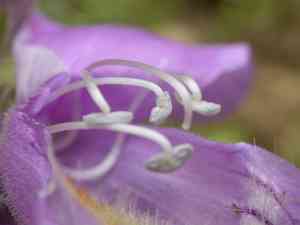
Fuzzytongue penstemon (Penstemon eriantherus)
Also known as: Fuzzytongue Beardtongue, Woolly Penstemon
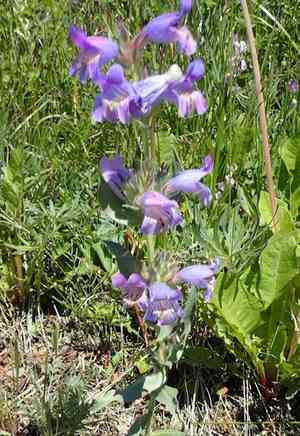
The oppositely positioned leaves can reach lengths of up to 13 centimeters and may have slightly toothed edges. The flower emerges from a calyx composed of narrow, pointed sepals. The corolla extends to approximately 4 centimeters in length and has an opening that can be up to 1.4 centimeters wide. Its color ranges from lavender to shades of reddish or bluish purple. The lower lip and staminode are densely covered with yellowish hairs.
In This Article
Attributes of Fuzzytongue penstemon
Lifespan
Perennial
Plant Type
Herb, Shrub
Plant Height
30-60 cm
Spread
20-30 cm
Leaf Color
Green Blue
Flower Size
1-2 cm
Flower Color
Pink Purple
Images of Fuzzytongue penstemon
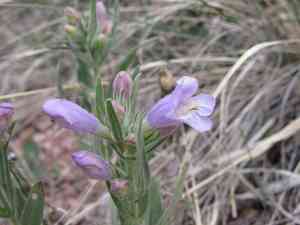
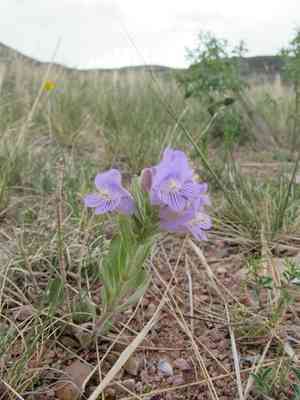
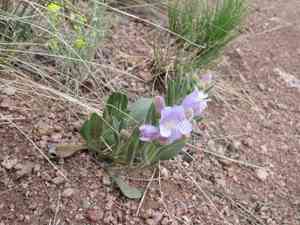
Quickly Identify Fuzzytongue penstemon
1
To identify Penstemon eriantherus, look for its distinctive woolly or hairy flowers that are tubular and typically lavender to pink in color. The leaves are also covered in fine hairs and are usually arranged opposite each other on the stem.
Scientific Classification of Fuzzytongue penstemon
Phylum
Vascular plants
Class
Dicotyledons
Order
Lamiales
Family
Plantain
Genus
Penstemon
Species
Fuzzytongue penstemon
Planting and Growing of Fuzzytongue penstemon
Care Difficulty
Easy
Watering Schedule
Every 2 days
Sunlight Requirements
Full sun
Sunshine Duration
4-8 hours
Ideal Temperature
65-75℉
Soil Type
Potting Mix, Peat Mix
Soil pH
6.5-7.5
Fertilizer Type
Balanced
Pruning Season
Spring, Summer
Pruning Area
Branches, Leaves
Pruning Frequency
2 times a year
Repotting Season
Spring
Pot Type
Plastic, Ceramic
 How to Water Fuzzytongue penstemon?
For Penstemon eriantherus, aim to provide about 250 milliliters of water per session. Ensure that the water thoroughly soaks the soil but does not leave it waterlogged. The soil should be kept consistently moist during active growing seasons without being excessively damp.
What are the symptoms of an underwatered Fuzzytongue penstemon?
›
What should I do if my Fuzzytongue penstemon is not getting enough water?
›
What are the symptoms of an overwatered Fuzzytongue penstemon?
›
How to save an overwatered Fuzzytongue penstemon?
›
 What Are the Sunlight Requirements for Fuzzytongue penstemon?
Penstemon eriantherus prefers full sun exposure for optimal growth. Adequate sunlight encourages vigorous growth and abundant blooming, enhancing its natural beauty.
What are the ideal lighting conditions for Penstemon eriantherus?
›
How to achieve ideal lighting conditions for Penstemon eriantherus?
›
What are the benefits of ideal lighting conditions for Penstemon eriantherus?
›
 What Is the Ideal Temperature Range for Fuzzytongue penstemon?
The ideal temperature range for Penstemon eriantherus is between 65°F and 75°F. This range supports optimal growth, enabling the plant to thrive with ample sunlight and moderate watering. Within this temperature window, Penstemon eriantherus can efficiently carry out photosynthesis and maintain strong cellular functions, ensuring vibrant blooms and healthy foliage.
 What Soil is Best for Fuzzytongue penstemon?
Penstemon eriantherus thrives in well-draining soil that prevents water from pooling around the roots. Providing such soil reduces the risk of root rot, promoting a robust root system crucial for the plant's vibrant flowers. While too much fertility can be harmful, a moderately fertile soil helps Penstemon eriantherus nourish itself efficiently, ensuring a balanced nutrient intake without the risk of over-fertilization, thus maintaining vigorous growth. The plant favors a slightly alkaline condition that helps in the absorption of crucial nutrients. This ensures that Penstemon eriantherus achieves optimal growth, resulting in healthier foliage and more abundant blooms.
 How to Fertilize Fuzzytongue penstemon?
Penstemon eriantherus prefers a balanced approach when it comes to fertilization. Use about 1/4 teaspoon of liquid fertilizer per gallon of water when applying each time. Solid fertilizers should be used sparingly at about 1/2 cup per plant annually.
 How to Prune Fuzzytongue penstemon?
Begin by removing any spent or faded flowers throughout the blooming season. This practice, known as deadheading, stimulates new flower growth and redirects the plant's energy from seed production back to blooming. To maintain a desirable shape and size, cut back longer stems to encourage a fuller, more compact form. Make your cuts just above a pair of leaves or a node where new growth can emerge.
More About Pruning Techniques→
 How to Propagate Fuzzytongue penstemon plant?
1
Fill seed trays with a well-draining soil mix. Sprinkle Penstemon eriantherus seeds evenly over the surface and cover them lightly with soil. Water gently to ensure contact with the soil, and keep them in a warm, bright location.
2
Select healthy stems from the parent plant and take cuttings about 3-4 inches long. Remove the lower leaves and dip the cut end in rooting hormone powder to encourage root growth.
3
Insert the prepared cuttings into moist, well-draining soil. Place them in a warm, humid environment, ideally covered with a plastic dome or bag to maintain moisture levels until roots develop.
 How to Repot Fuzzytongue penstemon plant?
1
Penstemon eriantherus should be repotted when you see roots growing out of the drainage holes, indicating the plant has outgrown its current pot. Another sign is if water runs straight through the pot quickly. The ideal time is during spring or summer to ensure healthy root growth.
2
Select a pot that is 1-2 inches larger in diameter than the current pot. Ensure it has adequate drainage holes to prevent waterlogging, which can lead to root rot. A slightly larger pot will allow your Penstemon eriantherus room to grow without overwhelming its root system.
3
Opt for a well-draining potting mix, ideally one that mimics the plant's natural environment. This soil type will prevent water from accumulating, thus reducing the risk of root rot. Including some organic material will also support nutrient retention and plant health.
Learn More About Fuzzytongue penstemon Diseases
Anthracnose
Bacterial Leaf Spot
Bacterial Wilt
Chemical Injury
Crown Gall
Cyst Nematode
Damping-off
Downy Mildew
Drought Stress
Fusarium Wilt
Gray Mold
Leaf Curl
Leaf Spot
Mosaic
Nutrient Deficiency
Nutrient Toxicity
Powdery Mildew
Root Rot
Root-knot Nematode
Rusts
Sooty Mold
Spider Mites
Temperature Stress
Thrips Damage
White Mold



