How to Transplant Oakleaf geranium?
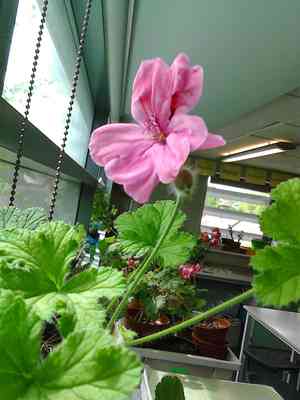
The optimal period for relocating oakleaf geranium is from late spring to early summer, as consistent weather conditions facilitate root development. Select a location offering dappled sunlight and soil that drains effectively. Provide sufficient room for expansion to prevent subsequent disruptions.
What Preparations are Needed Before Transplanting Oakleaf Geranium?
What is the Ideal Time for Transplanting Oakleaf Geranium?
The optimal period to move oakleaf geranium is during the delightful late spring or as the initial signs of summer appear. This timeframe is perfect for relocation because the root system of oakleaf geranium benefits from the warm, consistent soil temperatures and extended daylight hours, which encourage vigorous growth and establishment. Giving your oakleaf geranium a new spot at this time ensures it flourishes with vitality and adapts easily, setting the stage for abundant growth and a lovely garden presence.
How Much Space Should You Leave Between Oakleaf Geranium Plants?
When rehousing your oakleaf geranium, allow ample room for development! Aim for a separation of 12-18 inches (30-46 cm) between individual plants. This will guarantee they have sufficient area to grow without competing for nutrients or sunlight.
What is the Best Soil Mix for Oakleaf Geranium Transplanting?
Your oakleaf geranium will thrive in soil that drains well and is rich in organic matter. Incorporate some compost or a balanced, slow-release fertilizer to give it an excellent start. The soil pH should ideally be slightly acidic to neutral.
Where Should You Relocate Your Oakleaf Geranium?
Select a location for your oakleaf geranium that receives ample sunlight. Aim for a spot that gets at least six hours of light daily but offers some afternoon shade to shield it from the most intense part of the day.
What Equipments Should You Prepare Before Transplantation Oakleaf Geranium?
Gardening Gloves
To safeguard your hands while handling soil and plants.
Spade or Shovel
To excavate the oakleaf geranium plant and prepare the new planting site.
Hand Trowel
For more precise movements and adjustments during planting.
Wheelbarrow
To transport the oakleaf geranium plant and soil.
Pruning Shears
To trim any damaged roots or leaves prior to transplanting.
Watering Can or Hose
To hydrate the oakleaf geranium plant before and after its relocation.
Mulch
To assist in retaining soil moisture following transplantation.
Plant Support (stakes or trellis if necessary)
To provide stability for the oakleaf geranium plant if it is large or top-heavy.
How Do You Remove Oakleaf Geranium from the Soil?
How Do You Remove Oakleaf Geranium from the Soil?
From Ground: Hydrate the oakleaf geranium plant to moisten the soil, making it easier to manage. Carefully dig a trench around the plant, ensuring generous space to prevent root damage. Use the spade to gently pry under the root ball and lift the plant from its original spot.From Pot: Water the oakleaf geranium plant to facilitate root ball removal and minimize shock. Tilt the pot sideways, tap the base, or press the sides to loosen the root ball. Gently extract the oakleaf geranium plant from the pot, ensuring the root ball is supported.From Seedling Tray: Water the seedlings first before attempting their removal. Use a dibber or a pencil to push from the bottom, or squeeze the container to loosen the soil and carefully lift the oakleaf geranium by its leaves, not the fragile stem.
Step-by-Step Guide for Transplanting Oakleaf Geranium
Preparation
Prepare the new planting hole first, making it twice as wide and the same depth as the root ball of your oakleaf geranium.
Root Pruning
Inspect and trim any damaged or excessively long roots with pruning shears to encourage new growth.
Placing the Plant
Position the oakleaf geranium in the center of the new hole. The top of the root ball should be level with the surrounding ground.
Backfilling
Carefully refill the hole with the excavated soil, ensuring no air pockets remain. Gently firm the soil around the base of the oakleaf geranium.
Watering
Water the oakleaf geranium thoroughly after planting to settle the soil and eliminate air pockets.
Mulching
Apply a layer of mulch around the base of the oakleaf geranium, keeping it a few inches away from the stem to prevent rot.
How Do You Care For Oakleaf Geranium After Transplanting?
Stabilization
Provide support if needed using stakes or a trellis to keep the oakleaf geranium upright and stable.
Monitoring
Check the soil moisture daily; the oakleaf geranium requires consistent moisture but avoid overwatering as this can lead to root rot.
Adjustment Period
Allow the oakleaf geranium some time to acclimate to its new location without adding extra stress, such as pruning or fertilizing.
Protection
Keep an eye out for pests or diseases that could exploit the oakleaf geranium's vulnerability post-transplant and address any issues promptly.
Troubleshooting Common Issues with Oakleaf Geranium Transplantation.
When is the best time to transplant oakleaf geranium?
Relocate oakleaf geranium when days are warm and frost risk has passed, typically late spring to early summer.
How far apart should I space oakleaf geranium when transplanting?
Space oakleaf geranium plants approximately 12-18 inches (30-45 cm) apart to allow ample room for growth.
Why are the leaves of oakleaf geranium wilting after transplanting?
Oakleaf geranium may wilt due to transplant shock. Ensure consistent watering and check for healthy roots.
Should I prune oakleaf geranium before transplanting and how?
Yes, prune oakleaf geranium to encourage healthy growth. Carefully snip off any dead or excess foliage.
Can oakleaf geranium be transplanted on a sunny, hot day?
Transplant oakleaf geranium on a cloudy day or in the evening to prevent stress from intense sunlight.
What type of soil is ideal for transplanting oakleaf geranium?
Use well-draining, fertile soil with a balanced pH to provide a suitable environment for oakleaf geranium.
How do I water oakleaf geranium after transplanting?
Water oakleaf geranium generously immediately after transplanting and maintain moist soil for the initial few weeks.
Why are oakleaf geranium leaves turning yellow post-transplant?
Yellow leaves might indicate overwatering or poor drainage; adjust your watering schedule and assess soil health.
How deep should the hole be for transplanting oakleaf geranium?
Dig a hole twice as wide and the same depth as the root ball to ensure oakleaf geranium fits comfortably.
What's the best way to handle oakleaf geranium's roots when transplanting?
Gently untangle oakleaf geranium's roots to encourage spreading and prevent circling, being careful not to damage them.



