How to Prune Oakleaf geranium?
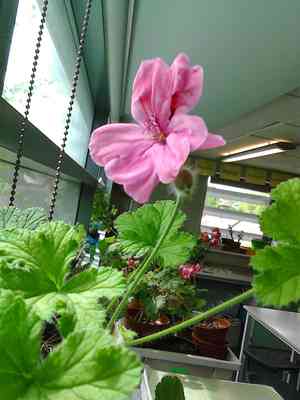
Celebrated for its deeply divided leaves reminiscent of oak and groupings of vivid blossoms, oakleaf geranium greatly benefits from judicious trimming. Shorten elongated stems and faded flowers to foster a denser habit and more abundant blooming. The ideal period for pruning is in late winter or early spring, when fresh shoots appear. Reduce the plant by up to one-third to boost air movement and form. This practice invigorates oakleaf geranium, improving both its visual charm and general well-being.
What Are the Benefits of Pruning Oakleaf Geranium?
What Are the Benefits of Pruning Oakleaf Geranium?
Trimming oakleaf geranium promotes robust development and maintains a compact, visually appealing form. Regular cutting eliminates leggy branches, leading to denser foliage and healthier growth.
What Is the Best Time for Pruning Oakleaf Geranium?
What Is the Best Time for Pruning Oakleaf Geranium?
Pruning oakleaf geranium in late winter or early spring is optimal as these periods align with its dormant phase and the preparation stage before active growth. After the cold subsides and just prior to new growth emerging, pruning will stimulate healthy development and abundant flowering. It minimizes stress on oakleaf geranium and ensures energy is directed towards producing fresh, healthy shoots. Pruning during this time prevents cutting off developing flower buds, which typically form soon after new growth begins. Thus, late winter to early spring pruning maximizes the health and aesthetic appeal of oakleaf geranium, while preserving its natural flowering cycle.
What Tools Do I Need to Prune Oakleaf Geranium?
Bypass Pruners
Perfect for making clean cuts on the soft, green stems of oakleaf geranium without crushing plant tissue. Suitable for stems up to 0.5 inches thick.
Sharp Scissors
Useful for precise trimming of small or delicate parts of oakleaf geranium, such as removing individual leaves or shaping the plant.
Gardening Gloves
Protects hands from scratches and the sap of oakleaf geranium, which may cause irritation in sensitive individuals.
Rubbing Alcohol or Disinfectant
Crucial for sterilizing pruning tools before and after use to prevent the spread of disease in oakleaf geranium.
How to Prune Oakleaf Geranium
Clean Tools
Before pruning oakleaf geranium, sanitize pruning shears with alcohol or a bleach solution to prevent disease transmission.
Diseased Leaves
Locate and carefully remove any diseased leaves from oakleaf geranium using the sterilized shears. Make clean cuts at the base of the leaf stem, ensuring not to harm adjacent healthy tissue.
Withered Leaves
Identify withered or dead leaves on oakleaf geranium. Using the same sterilized shears, snip these leaves off at the base of the leaf stem to encourage healthier growth and improve air circulation.
Shape Plant
Thin out overgrown areas of oakleaf geranium to maintain its desired shape and size. Make cuts just above a leaf node to promote new growth in the right direction.
Disposal
Dispose of the trimmed material away from oakleaf geranium and other healthy plants to minimize the risk of disease spread. Clean the pruning equipment thoroughly after use.
Common Pruning Mistakes with Oakleaf Geranium
Overpruning
Removing too much foliage at once, which can lead to stunted growth and reduced flowering.
Cutting Into Old Wood
Pruning into the older, woodier stems which rarely produce new shoots can hinder the rejuvenation of oakleaf geranium.
Blunt Tools
Using dull or dirty pruning tools can create jagged cuts and increase the risk of disease.
Ignoring Diseased Material
Failing to remove diseased or damaged foliage, which can lead to further infection and pest issues.
Pruning Without A Plan
Pruning without assessing the plant's shape can result in an imbalanced appearance and expose stems to excessive sun.
Neglecting To Disinfect
Not disinfecting tools between cuts, especially when moving between plants, can spread pathogens.
Common Pruning Tips for Oakleaf Geranium
Selective Pruning
Cut back overgrown stems selectively to shape the plant and encourage new growth from the base, focusing on the removal of spindly, weak, or crossing shoots.
Moderate Pruning
Limit pruning to one-third of the plant's size to maintain vigor while encouraging branching for fuller growth.
Sharp Tools
Use sharp and clean pruning shears for clean cuts which promote quicker healing and reduce the risk of disease.
Post-Bloom Pruning
Prune after flowering to remove spent blooms and encourage a second flush of flowers.
Deadheading
Regularly pinch off dead and faded flowers to redirect the plant's energy into producing more blooms and enhancing overall vitality.
Hygienic Practice
Disinfect pruning tools with alcohol or bleach solution between cuts to prevent the spread of disease.
Judicious Thinning
Thin out crowded areas to increase air circulation, which can help reduce the risk of fungal diseases.



