How to Transplant Canadian Lousewort?
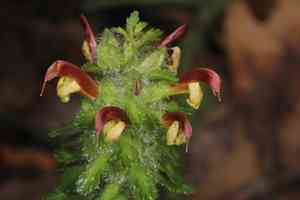
The optimal period for relocating canadian Lousewort is during the transition from spring to summer, providing ideal circumstances for root development. Select a location that replicates its natural habitatâpartial sunlight and damp, fertile earth. Exercise caution during handling to safeguard its fragile root structure.
Necessary Preparations Before Relocating Canadian Lousewort?
When is the Best Time to Move Canadian Lousewort?
The most opportune time for transplanting canadian Lousewort spans from late spring's end to early summer's beginning. This timeframe allows canadian Lousewort to settle in mild temperatures, benefiting from the ideal balance of warmth and moisture for root development. Establishing canadian Lousewort in its new spot then ensures it has ample time to adapt and flourish before winter arrives. Helpful hint: Always have your spade ready for the initial signs of green spring growth, ensuring canadian Lousewort can absorb summer's energy!
What is the Recommended Spacing Between Canadian Lousewort Plants?
When selecting a suitable location for your canadian Lousewort, remember they appreciate ample room. Aim to provide each plant with approximately 12-18 inches (30-45 cm) of clearance from its neighbors. This spacing allows them to thrive without competing for resources or sunlight.
What is the Optimal Soil Mixture for Transplanting Canadian Lousewort?
Consider the soil as a comfortable foundation for your canadian Lousewort. A well-draining, nutrient-rich soil will be effective. Before transplanting, incorporate some compost or a balanced, slow-release fertilizer to give your canadian Lousewort a nourishing start in its new environment.
Where Should You Replant Your Canadian Lousewort?
Your canadian Lousewort prefers a location with full sun to partial shade to flourish. When choosing the site, ensure it receives gentle morning light or filtered afternoon sunshine. This provides the perfect conditions for your plant to thrive.
Equipment Needed Before Transplanting Canadian Lousewort?
Gardening Gloves
To safeguard your hands while handling soil and the plant.
Spade or Shovel
For digging around and beneath the root ball when extracting canadian Lousewort.
Trowel
For more precise tasks or for lifting smaller plants.
Watering Can or Hose
To pre-water the plant before removal and for irrigation after transplanting.
Secateurs or Pruning Shears
For trimming any damaged roots or excess foliage prior to transplanting.
Wheelbarrow or Plant Caddy
For moving the canadian Lousewort from one spot to another without causing harm.
Mulch
To aid in retaining soil moisture and regulating soil temperature post-transplant.
Rooting Hormone (optional)
To stimulate root development and lessen transplant shock.
How to Extract Canadian Lousewort from the Soil?
How to Extract Canadian Lousewort from the Soil?
From Ground: First, water the canadian Lousewort plant to moisten the soil. Use a spade or shovel to dig a wide perimeter around the plant, maintaining a generous distance from the main stem to protect the root ball. Carefully lift the root ball from the ground, minimizing root disturbance.From Pot: Water the canadian Lousewort in its current container to hydrate the roots. Turn the pot on its side, and gently tap the edges to loosen the soil. Grasp the base of the plant and carefully slide the root ball out of the pot.From Seedling Tray: Water the seedlings in preparation for transplant. Use a trowel or your fingers to carefully remove each canadian Lousewort seedling, ensuring you take a substantial amount of soil around the roots to prevent damage.
Step-by-Step Guide for Relocating Canadian Lousewort
Preparation
Ensure all necessary tools and supports are readily available before commencing the process.
Removal
Select a cool, overcast day for transplanting to minimize stress on canadian Lousewort. Utilize the appropriate method from the 'removal process' section to extract the canadian Lousewort from its original location.
Transport
Immediately move the canadian Lousewort plant to its new location, using a wheelbarrow or plant caddy to prevent jarring and damage.
Planting Hole
Dig a hole in the ground twice the width of the root ball and of equal depth. Loosen the soil at the base of the hole.
Roots Inspection
Examine the root ball and prune any broken or damaged roots with secateurs; if desired, apply rooting hormone to the cut areas.
Positioning
Place canadian Lousewort in the center of the hole. Ensure that the top of the root ball is level with the surrounding soil surface.
Filling In
Gently backfill the planting hole with soil, firming it down as you go to eliminate air pockets.
Watering
Water the canadian Lousewort thoroughly to settle the soil and eliminate any remaining air gaps around the roots.
Mulching
Apply a layer of mulch around the base of canadian Lousewort to help retain moisture and suppress weeds.
How to Care for Canadian Lousewort After Transplanting?
Irrigation
Ensure the soil around canadian Lousewort remains consistently moist for the initial weeks following transplant.
Monitoring
Regularly check the canadian Lousewort for indications of stress, such as wilting leaves or discoloration, and adjust care as needed.
Protection
If severe weather is anticipated, consider providing temporary shelter with a cover or shade cloth.
Stabilization
If canadian Lousewort is top-heavy or in a windy area, stake the plant to prevent it from being dislodged.
Follow-Up Fertilization
After canadian Lousewort has had a few weeks to establish, an application of a balanced, slow-release fertilizer can support healthy growth, but avoid immediate fertilizing post-transplant.
Addressing Common Issues with Canadian Lousewort Transplantation.
How do I determine the optimal time to transplant canadian Lousewort?
The best period is during late spring to early summer, when temperatures are moderate.
What is the ideal spacing for canadian Lousewort when transplanting?
Space canadian Lousewort approximately 12-18 inches (30-45 cm) apart to ensure sufficient room for growth.
Why is my transplanted canadian Lousewort wilting?
Wilting may be due to shock. Provide consistent moisture and shade to aid its recovery.
How deep should I plant canadian Lousewort's roots in the soil?
The roots should be planted at the same depth they were in their previous location.
Can I transplant canadian Lousewort on a hot day?
It is best to transplant during cooler parts of the day or when temperatures are mild.
What soil conditions does canadian Lousewort require when transplanting?
Provide well-draining soil, rich in organic matter, with a slightly acidic to neutral pH.
How much water does canadian Lousewort need after transplanting?
Water thoroughly after transplanting, then maintain consistent moisture, especially in the first few weeks.
Why does my canadian Lousewort have yellowing leaves after transplanting?
Yellowing may indicate water stress or a need for soil nutrients; adjust care as necessary.
Should I fertilize canadian Lousewort after transplanting?
Wait a few weeks before fertilizing to allow canadian Lousewort to establish its roots.
How can I protect my transplanted canadian Lousewort from pests?
Regularly inspect for pests and use appropriate treatments while avoiding damage to the fragile transplant.



