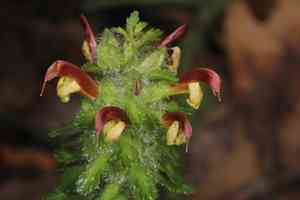
Canadian Lousewort (Pedicularis canadensis)
Also known as: Common Lousewort, Early Lousewort
Early European explorers attributed the presence of lice on their cattle to the livestock consuming Canadian Lousewort (Pedicularis canadensis), a native North American flowering plant. This perennial, herbaceous plant is hemiparasitic, often attaching to host plants.
In This Article
Attributes of Canadian Lousewort
Lifespan
Perennial
Plant Type
Herb
Plant Height
30 cm to 46 cm
Spread
30 cm
Leaf Color
Green
Flower Size
2.5 cm
Flower Color
Yellow Purple Red Brown Gold
Images of Canadian Lousewort
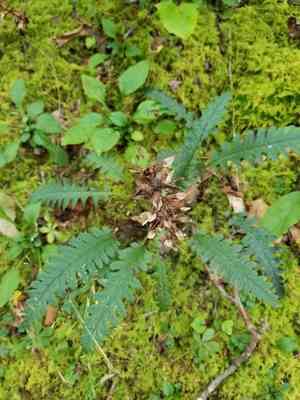
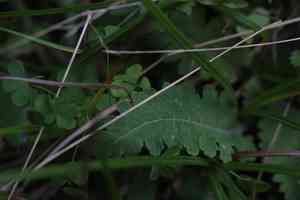
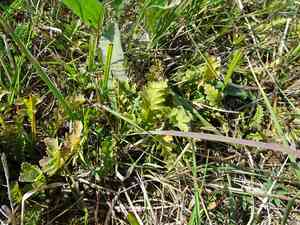
Quickly Identify Canadian Lousewort
1
Cluster of hairy stems, 1-2 feet (30-60 cm) tall.
2
Distinct helmet-shaped yellow to pink flowers on dense spikes.
3
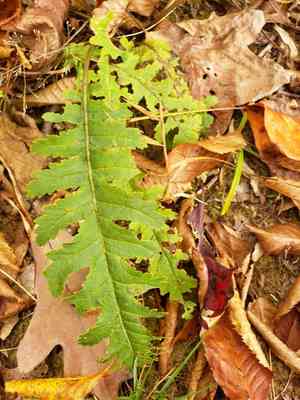
Lobed leaves, 2-6 inches (5-15 cm) long, with toothed margins.
4
Elongated capsules with angular shape, 0.2-0.4 inches (5-10 mm) long.
5
Fine-haired green or reddish-brown stems, 0.1-0.2 inches (2.5-5 mm) thick.
Scientific Classification of Canadian Lousewort
Phylum
Vascular plants
Class
Dicotyledons
Order
Lamiales
Family
Broomrape
Genus
Pedicularis
Species
Canadian Lousewort
Planting and Growing of Canadian Lousewort
Care Difficulty
Easy
Watering Schedule
Every 2 days
Sunlight Requirements
Partial sun
Sunshine Duration
4-6 hours
Ideal Temperature
60-75℉
Soil Type
Potting Mix, Peat Mix
Soil pH
6.5-7.5
Fertilizer Type
Balanced
Pruning Season
Spring, Summer
Pruning Area
Branches, Leaves
Pruning Frequency
2 times a year
Repotting Season
Spring
Pot Type
Plastic, Ceramic
 How to Water Canadian Lousewort?
Pedicularis canadensis likes to have a moderate amount of water, typically around 250 milliliters per watering session. Ensure the soil is damp but not waterlogged. The main principle is to maintain soil moisture without over-saturating it, which could lead to root issues.
What are the symptoms of an underwatered Canadian Lousewort?
›
What should I do if my Canadian Lousewort is not getting enough water?
›
What are the symptoms of an overwatered Canadian Lousewort?
›
How to save an overwatered Canadian Lousewort?
›
 What Are the Sunlight Requirements for Canadian Lousewort?
Pedicularis canadensis thrives best in partial sun, where it can absorb a balanced amount of morning and late afternoon light. This assists in optimal blooming and maintains the vibrant health of the plant.
More About Sunlight Requirements Techniques→
What type of sunlight does Pedicularis canadensis prefer?
›
How can I provide the ideal light for Pedicularis canadensis?
›
What benefits does ideal lighting offer to Pedicularis canadensis?
›
 What Is the Ideal Temperature Range for Canadian Lousewort?
The ideal temperature range for Pedicularis canadensis is between 60°F and 75°F. These temperatures allow the plant to thrive and grow optimally, supporting photosynthesis and other physiological processes. Ensuring the temperature remains within this range helps in maintaining the plant's health and encouraging vibrant flower production.
 What Soil is Best for Canadian Lousewort?
Pedicularis canadensis thrives in well-draining soil which prevents waterlogging, thereby reducing the risk of root rot. Good drainage helps maintain optimal moisture levels for its growth. This plant benefits from nutrient-rich soil that provides essential minerals for healthy growth. Incorporating organic matter, like compost, enhances soil fertility, promoting lush foliage. Pedicularis canadensis prefers soil that retains moderate moisture, which prevents drying out while ensuring the roots are not overly wet. This balance supports consistent growth.
 How to Fertilize Canadian Lousewort?
For Pedicularis canadensis, use a light hand when it comes to applying fertilizer. Excess nutrients can be more harmful than beneficial. Apply a diluted (half-strength) liquid fertilizer, ensuring the soil is not overly enriched to mimic its natural habitat conditions.
 How to Prune Canadian Lousewort?
Use sharp and clean pruners to make clean cuts that heal quickly. Clean tools help prevent the spread of disease. Look for dead, diseased, or damaged stems. Also, remove any spent flower spikes to help maintain a tidy appearance and encourage further blooming. Make cuts at a 45-degree angle just above a healthy bud or branch junction to promote healthy regrowth. Be careful not to leave stubs, which can be entry points for pests and diseases.
More About Pruning Techniques→
 How to Propagate Canadian Lousewort plant?
1
Use a well-draining soil mix, as Pedicularis canadensis does best in loose, moderately fertile soil. The soil should be moistened before planting seeds or divisions, ensuring it’s not soggy but evenly damp.
2
Plant seeds in a prepared tray or directly in the soil. Surface sow the seeds and lightly press them into the soil without completely covering them, as they need light to germinate. Maintain consistent moisture until germination occurs.
3
Carefully remove an established plant from the ground. Use a sharp knife to divide the root ball into smaller sections, each with its own stock of roots and leaves. Replant the divisions promptly in prepared ground or pots.
 How to Repot Canadian Lousewort plant?
1
Recognize when it's time to repot your Pedicularis canadensis by checking for roots growing out of the drainage holes, soil drying out too quickly, or reduced growth. Typically, these signs appear after two years in the same pot as the plant outgrows its current living space.
2
Opt for a pot that's one size larger than the current one to allow room for root growth. The pot should have good drainage to prevent waterlogging, which is crucial for avoiding root rot. Materials like clay or terracotta are ideal as they absorb excess moisture, keeping the soil well aerated.
3
Select a well-draining, loamy soil mix for Pedicularis canadensis. This type of soil retains enough moisture to nourish the plant while ensuring excellent drainage. The right mix minimizes water retention, reducing the risk of fungal infections and promoting root health.



