How to Transplant Seashore paspalum?
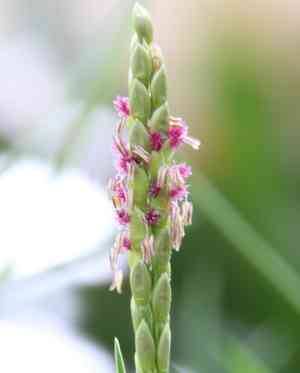
For seashore paspalum, the optimal period for relocation is during its active development phase, generally from the beginning of spring's warmth until the approach of summer. Choose a location that receives abundant sunlight and drains effectively. When moving seashore paspalum, guarantee the soil remains damp to foster strong root integration.
What Preparations are Needed Before Transplanting Seashore Paspalum?
What is the Ideal Time for Transplanting Seashore Paspalum?
The optimal period for relocating seashore paspalum extends from the onset of early spring through late spring. This timeframe offers gentle temperatures and moderate sunlight, fostering root development in new ground. During these months, your seashore paspalum can adapt smoothly, benefiting from the perfect balance of warmth and precipitation that promotes robust growth. Moving your seashore paspalum now establishes the foundation for strong, lush development, as this well-timed approach minimizes transplant shock and maximizes vigor.
How Much Space Should You Leave Between Seashore Paspalum Plants?
Hello, gardener! When placing your seashore paspalum in a new spot, allow about 1-2 feet (30-60 cm) between each plant. This provides ample room for their roots to expand and thrive.
What is the Best Soil Mix for Seashore Paspalum Transplanting?
For your seashore paspalum, well-draining soil is key to its happiness! Begin with sandy or loamy soil, and enrich it with a balanced slow-release fertilizer. Consider it a welcoming meal for your plant's new journey.
Where Should You Relocate Your Seashore Paspalum?
Your seashore paspalum loves soaking up the sun! Select a location where it can receive full sunlight for most of the day. This will ensure it grows strong and healthy, just as you intended.
What Equipments Should You Prepare Before Transplantation Seashore Paspalum?
Gardening Gloves
To safeguard your hands while handling soil and plants.
Shovel or Spade
For excavating the plant and preparing the new planting site.
Wheelbarrow or Garden Cart
To move the plant and soil efficiently.
Watering Can or Hose
To hydrate the seashore paspalum before and after its relocation.
Pruning Shears
To trim any dead or damaged roots or foliage.
Root Pruning Knife (optional)
For making clean cuts through roots if necessary.
Soil Amendment (as recommended)
To improve the existing soil structure.
Mulch
To help retain soil moisture and regulate temperature post-planting.
How Do You Remove Seashore Paspalum from the Soil?
How Do You Remove Seashore Paspalum from the Soil?
From Ground: First, moisten the soil around the seashore paspalum plant. Then, dig a wide trench around the plant using a shovel or spade, being careful not to harm the root ball. Gently slide the shovel beneath the root ball and lift the plant from the ground.From Pot: Water the pot thoroughly beforehand. Turn the pot on its side and gently tap the edges to loosen the root ball. Carefully ease the plant out of the pot, taking care not to pull too hard on the stems or leaves.From Seedling Tray: Water the seedlings to ensure the soil is damp. Using a small tool or your fingers, gently press the bottom of the cell to push the seedling out. Support the seedling by its leaves, not the stem, to prevent damage.
Step-by-Step Guide for Transplanting Seashore Paspalum
Preparation
Prepare the transplant location by clearing weeds and debris, and loosening the soil to a depth of 6-8 inches to facilitate root growth.
Digging the Hole
Excavate a hole twice the width of the seashore paspalum's root ball and as deep as its height to ensure it sits at the same level as before.
Root Inspection
Examine the root ball for any circling or girdling roots and untangle or trim them as needed for healthy development.
Placing the Plant
Carefully position the seashore paspalum in the center of the hole, ensuring it is upright and at the correct depth.
Filling the Hole
Refill the hole with the excavated soil, gently pressing down around the plant to remove air pockets. Water thoroughly to settle the soil around the roots.
Mulching
Apply a layer of mulch around the base of the seashore paspalum to conserve moisture and stabilize soil temperature, keeping the mulch a few inches from the stem to prevent rot.
How Do You Care For Seashore Paspalum After Transplanting?
Initial Watering
Water the seashore paspalum generously immediately after transplanting to help settle the soil and hydrate the roots.
Regular Monitoring
Inspect the plant daily for the first couple of weeks to check soil moisture and provide water as needed, especially during dry spells.
Pruning
Remove any damaged or diseased foliage to encourage vigorous new growth.
Support
If the seashore paspalum is tall or tends to droop, consider staking it to provide additional support during its initial growing season.
Observation
Watch for signs of stress, such as wilting or discolored leaves, and address any issues promptly to ensure successful establishment.
Troubleshooting Common Issues with Seashore Paspalum Transplantation.
Why is my seashore paspalum not thriving after transplanting?
Ensure it's planted during the optimal transplanting period from early to late spring and spaced 1-2 feet (30-60 cm) apart. Insufficient light, water, or improper soil can also be factors.
How do I know the best time to transplant seashore paspalum?
Transplant seashore paspalum when temperatures are mild, typically from early to late spring, to promote root development.
Can I transplant seashore paspalum in summer or fall?
Transplanting seashore paspalum outside the ideal window of early to late spring may stress the plant, reducing its chances of success.
What is the ideal soil for transplanting seashore paspalum?
A well-draining, fertile soil with a pH between 5.5 and 7.5 provides the perfect environment for seashore paspalum to flourish.
How much should I water seashore paspalum after transplanting?
Keep the soil consistently moist but not waterlogged to help seashore paspalum establish. Adjust based on rainfall and temperature.
What spacing is best when transplanting seashore paspalum?
Space seashore paspalum 1-2 feet (30-60 cm) apart. This allows roots to spread and access nutrients without competing with neighboring plants.
How deep should I plant seashore paspalum when transplanting?
Position seashore paspalum at the same depth as in its previous pot or location, ensuring the crown remains at soil level.
Why are the leaves of seashore paspalum yellow after transplanting?
Yellow leaves could indicate transplant shock, overwatering, or a nutrient imbalance. Evaluate care conditions and make adjustments as needed.
Can I correct root exposure for seashore paspalum post-transplant?
Gently add soil around the base of seashore paspalum to cover exposed roots, being careful not to bury the crown deeper than originally planted.
Should I fertilize seashore paspalum right after transplanting?
Wait a few weeks before fertilizing to avoid damaging tender roots. Once seashore paspalum is established, a balanced fertilizer can encourage growth.



