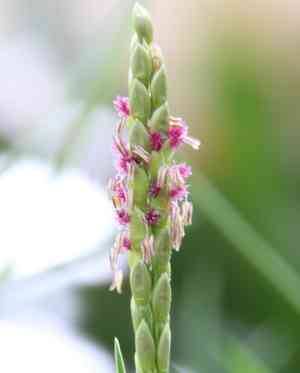
Seashore paspalum (Paspalum vaginatum)
Also known as: Sheathed paspalum, Siltgrass
Seashore paspalum, originally from the Americas, is seen as an invasive species in various tropical regions globally. This turfgrass is frequently utilized for golf courses, particularly in coastal zones, due to its exceptional salt tolerance.
In This Article
Attributes of Seashore paspalum
Lifespan
Perennial
Plant Type
Grass
Plant Height
10 cm to 79 cm
Spread
Not applicable (grass)
Leaf Color
Emerald-green
Flower Size
2 cm to 5 cm
Flower Color
Yellow Green Purple Brown
Images of Seashore paspalum
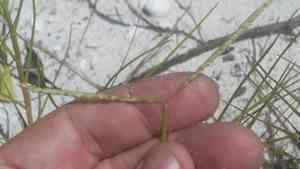
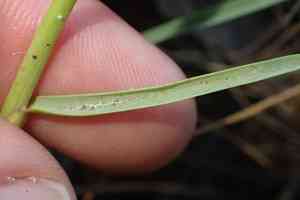
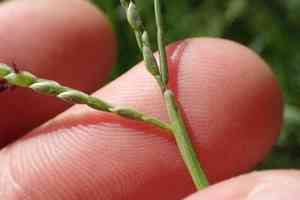
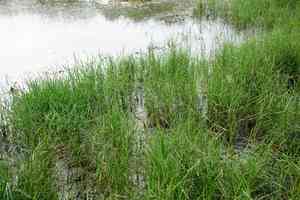
Quickly Identify Seashore paspalum
1
Paspalum vaginatum can be identified by its fine-textured, emerald-green leaves and stoloniferous growth habit. The leaf blades are flat and taper to a point. It produces small, inconspicuous flowers on a branched inflorescence.
Scientific Classification of Seashore paspalum
Phylum
Vascular plants
Class
Monocotyledons
Order
Poales
Family
Grass
Genus
Paspalum
Species
Seashore paspalum
Planting and Growing of Seashore paspalum
Care Difficulty
Easy
Watering Schedule
Every 8 days
Sunlight Requirements
Full sun
Sunshine Duration
6-10 hours
Ideal Temperature
75-85℉
Soil Type
Potting Mix, Peat Mix
Soil pH
6.5-7.5
Fertilizer Type
Balanced
Pruning Season
Spring, Summer
Pruning Area
Branches, Leaves
Pruning Frequency
2 times a year
Repotting Season
Spring
Pot Type
Plastic, Ceramic
 How to Water Seashore paspalum?
Water Paspalum vaginatum until the soil is moist but not waterlogged. Use about 500 ml per watering session, enough to penetrate the soil but avoid puddles on the surface. This ensures that the water reaches deep roots while preventing root rot.
What are the symptoms of an underwatered Seashore paspalum?
›
What should I do if my Seashore paspalum is not getting enough water?
›
What are the symptoms of an overwatered Seashore paspalum?
›
How to save an overwatered Seashore paspalum?
›
 What Are the Sunlight Requirements for Seashore paspalum?
Paspalum vaginatum best grows in a range of partial to full sun conditions, ideally with 4 to 8 hours of daily sunlight. This exposure aids in optimal growth, ensuring healthy, lush, and strong foliage.
How much sunlight does Paspalum vaginatum need?
›
What can I do to provide ideal lighting conditions?
›
What are the benefits of the ideal lighting conditions?
›
 What Is the Ideal Temperature Range for Seashore paspalum?
The ideal temperature range for Paspalum vaginatum is between 75°F and 85°F. This range provides optimal growing conditions, promoting healthy leaf growth and root development. Within this range, the plant can efficiently photosynthesize, leading to better overall health and resilience against pests and diseases.
 What Soil is Best for Seashore paspalum?
Paspalum vaginatum thrives in well-drained soil, which prevents waterlogging and ensures the plant's root system receives adequate oxygen. This helps the plant to grow vigorously and maintain its lush green appearance. While this plant does not require highly fertile soil, a moderate level of nutrients supports its growth rate and vigor. Providing a balance of essential nutrients will enhances its ability to outcompete weeds. The soil needs to retain some moisture to support Paspalum vaginatum during dry spells. This characteristic helps the plant remain resilient under varying environmental conditions, ensuring continuous growth.
 How to Fertilize Seashore paspalum?
When applying fertilizer to Paspalum vaginatum, aim for a balanced application of nutrients that supply sufficient nitrogen to support its robust growth. Typically, you can apply up to 1 pound of actual nitrogen per 1,000 square feet per application. This amount ensures lush, green foliage without risking nutrient burn.
 How to Prune Seashore paspalum?
Begin by mowing your Paspalum vaginatum to a height of 2 to 3 inches. Use a sharp lawn mower to make clean cuts, which promote healthy regrowth. Collect clippings to prevent disease and remove any debris left on the lawn. Next, edge the lawn to define borders clearly and prevent the grass from invading unwanted areas. Finally, inspect for any patches or diseased areas and trim them with pruning shears to prevent spreading.
 How to Propagate Seashore paspalum plant?
1
Choose a healthy parent plant with no signs of disease or pest infestation. This ensures that the cuttings or divisions are healthy and have a higher chance of successful propagation.
2
Using sharp pruning shears, collect cuttings of about 4-6 inches in length from healthy sections of the plant. Ensure each cutting has at least two nodes to encourage root and shoot development.
3
Plant the cuttings in a mix of peat and perlite to ensure excellent drainage. Position them so that at least one node is covered by the planting medium, which stimulates root development.
 How to Repot Seashore paspalum plant?
1
Repotting Paspalum vaginatum should be done when you notice signs of root-bound conditions, such as roots poking out of the drainage holes, slowed growth, or poor soil drainage. It is best to repot during its growing season to minimize stress on the plant.
2
Select a pot that is about 1-2 inches larger in diameter than the current one. Ensure it has ample drainage holes. A larger pot provides more room for root expansion, while good drainage prevents waterlogging, which is crucial for Paspalum vaginatum's health.
3
Opt for a well-draining sandy mix, as Paspalum vaginatum thrives in conditions that prevent root rot. The sandy composition supports effective aeration and drainage, promoting healthier root structures and preventing potential overwatering issues.



