How to Transplant Fen grass of parnassus?
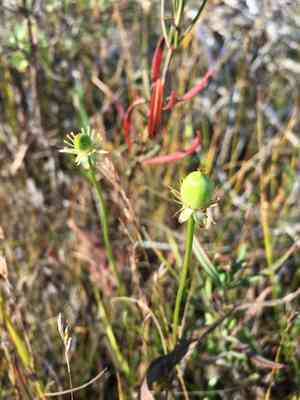
The ideal period for relocating fen grass of parnassus is during late spring or early summer, facilitating development in mild temperatures. Choose damp, adequately draining locations with dappled sunlight. Bear in mind that fen grass of parnassus flourishes with continuous hydration after transplantation, so opt for a supportive site.
Essential Preparations Before Relocating Fen Grass Of Parnassus?
Optimal Period for Relocating Fen Grass Of Parnassus?
The relocation of fen grass of parnassus is most successful when performed during the pleasant days from late spring to early summer. This timeframe enables fen grass of parnassus to establish its root system in moderate conditions, avoiding extreme cold or excessive heat. Performing this task then ensures fen grass of parnassus benefits from ample spring soil moisture and increasing daylight hours – an ideal combination for successful rooting. It's like offering fen grass of parnassus a gentle encouragement when the climate signals 'grow,' setting the stage for robust health and vigorous flowering.
Recommended Spacing Between Fen Grass Of Parnassus Plants?
To ensure your fen grass of parnassus thrives, provide ample room! Aim to position them approximately 10-12 inches (25-30 cm) apart. This will give each plant sufficient area to flourish without becoming overcrowded.
Ideal Soil Blend for Fen Grass Of Parnassus Relocation?
Your fen grass of parnassus will flourish in well-drained soil abundant in organic material. Incorporate some compost or a balanced, slow-release fertilizer to welcome them to their new spot. A proper foundation is crucial for nurturing your plants.
Optimal Location for Your Fen Grass Of Parnassus?
Select a location for your fen grass of parnassus that receives sun to partial shade, as they prefer bright but indirect light. An ideal spot offers morning sunlight and afternoon shade, mimicking their natural growth environment for peak development.
Tools Required Before Transplanting Fen Grass Of Parnassus?
Gardening Gloves
To safeguard your hands while handling soil and plants.
Spade or Garden Shovel
For digging and lifting the plant.
Garden Fork
To loosen soil around the root ball if needed.
Watering Can or Hose
To hydrate the plant before and after moving.
Wheelbarrow or Garden Cart
To move the plant and soil.
Pruning Shears
To trim any damaged roots or foliage prior to transplanting.
Measuring Tape
To accurately space planting holes.
How to Extract Fen Grass Of Parnassus from the Soil?
How to Extract Fen Grass Of Parnassus from the Soil?
From Ground: Start by watering the fen grass of parnassus to moisten the surrounding earth. Use a spade or shovel to dig a circular trench around the plant, ensuring a generous root ball is maintained. Gently pry the plant from the ground, minimizing root disturbance.From Pot: Water the fen grass of parnassus thoroughly before the transfer. Turn the pot on its side and tap the base to loosen the root ball. Grasp the plant's base and carefully pull it out, supporting the root ball.From Seedling Tray: Dampen the soil in the tray to facilitate removal. Use a spoon or dibber to carefully lift the seedling, including as much of the root system and soil as possible.
Step-by-Step Guide for Relocating Fen Grass Of Parnassus
Preparation
Thoroughly soak the root ball of fen grass of parnassus before relocation to minimize transplant shock.
Digging Hole
Excavate a hole in the prepared ground that is twice the width of the root ball and of equal depth to allow roots to spread easily.
Placing Plant
Carefully position fen grass of parnassus in the center of the hole, ensuring the top of the root ball is level with the surrounding soil surface.
Refilling Hole
Backfill the hole with soil, gently firming it down to eliminate air pockets without overly compacting the soil around the root ball.
Watering
After planting, deeply water fen grass of parnassus to help settle the soil around the roots and to hydrate the plant.
Mulching
Apply a layer of mulch around the base of fen grass of parnassus to conserve moisture and regulate soil temperature.
Post-Transplant Care for Fen Grass Of Parnassus
Watering
Provide fen grass of parnassus with consistent watering to maintain uniform soil moisture without waterlogging, especially during dry spells.
Mulching
Keep the mulch layer refreshed to suppress weeds and retain soil moisture.
Monitoring
Observe for indications of transplant shock, such as wilting or yellowing leaves, and address promptly with appropriate care.
Protection
Shield fen grass of parnassus from harsh elements if necessary, using a burlap wrap or frost blanket during extreme weather.
Resolving Common Issues with Fen Grass Of Parnassus Relocation.
When is the best time to relocate fen grass of parnassus?
Relocate fen grass of parnassus in late spring to early summer when growth is active and temperatures are mild.
What spacing is recommended for fen grass of parnassus during relocation?
Space fen grass of parnassus approximately 10-12 inches (25-30 cm) apart to ensure proper growth and air circulation.
Why is my fen grass of parnassus wilting after relocation?
Wilting may indicate root shock. Keep the soil moist and well-drained to aid recovery.
How deep should I plant fen grass of parnassus during relocation?
Plant fen grass of parnassus with the root ball level with the ground surface, avoiding excessive depth to prevent stem rot.
Should I fertilize fen grass of parnassus immediately after relocation?
Wait a few weeks before fertilizing to allow fen grass of parnassus to settle. Over-fertilization can harm young roots.
What soil type is ideal for relocating fen grass of parnassus?
Utilize well-draining, fertile soil rich in organic matter to provide nutrients and appropriate moisture levels.
How much water does fen grass of parnassus require after relocation?
Water fen grass of parnassus thoroughly after relocation and maintain consistent moisture without waterlogging the soil.
What sunlight conditions are optimal for fen grass of parnassus post-relocation?
Position fen grass of parnassus in an area receiving partial shade to full sun, protecting it from intense afternoon light.
How can I safeguard my relocated fen grass of parnassus from pests?
Monitor for pests and apply suitable treatments if needed, but avoid chemical stress.
Is it necessary to prune fen grass of parnassus after relocation?
Pruning is not immediately required. Allow fen grass of parnassus to recover and establish before any trimming.



