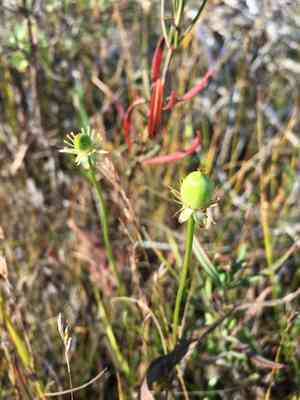
Fen grass of parnassus (Parnassia glauca)
Also known as: Grass of Parnassus
Fen grass of Parnassus, known for its captivating flowers, attracts numerous insects. The primary pollinator of Parnassia glauca is the bee species Lasioglossum zephyrus. This plant thrives in habitats such as peatlands, rich swamps, and other similar environments.
In This Article
Attributes of Fen grass of parnassus
Lifespan
Perennial
Plant Type
Herb
Plant Height
20 cm to 41 cm
Spread
Not applicable (herbaceous plant)
Leaf Color
Green
Flower Size
2.5 cm to 5 cm
Flower Color
White Yellow Green
Images of Fen grass of parnassus
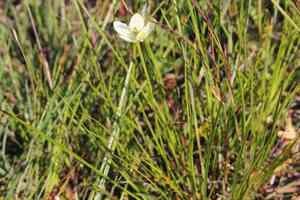
Quickly Identify Fen grass of parnassus
1
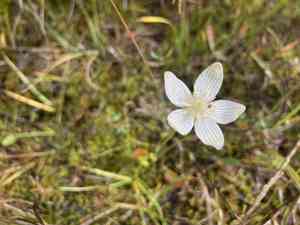
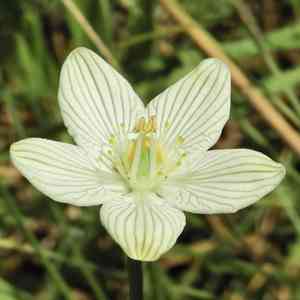
Look for its distinctively veined, round or oval leaves and star-shaped white flowers with fine green veins.
Scientific Classification of Fen grass of parnassus
Phylum
Vascular plants
Class
Dicotyledons
Order
Celastrales
Family
Bittersweet
Genus
Bog-Stars
Species
Fen grass of parnassus
Planting and Growing of Fen grass of parnassus
Care Difficulty
Moderate
Watering Schedule
Every 3 days
Sunlight Requirements
Partial sun
Sunshine Duration
6-12 hours
Ideal Temperature
60-75℉
Soil Type
Potting Mix, Peat Mix
Soil pH
6.5-7.5
Fertilizer Type
Balanced
Pruning Season
Spring, Summer
Pruning Area
Branches, Leaves
Pruning Frequency
2 times a year
Repotting Season
Spring
Pot Type
Plastic, Ceramic
 How to Water Fen grass of parnassus?
Parnassia glauca thrives when the soil is kept consistently moist but not waterlogged. Aim to water with about 200 ml, ensuring the water penetrates deep into the root zone. This mirrors the plant's natural habitat, where moisture is ample, so a careful balance is required to avoid either extremes of dryness or standing water.
What are the symptoms of an underwatered Fen grass of parnassus?
›
What should I do if my Fen grass of parnassus is not getting enough water?
›
What are the symptoms of an overwatered Fen grass of parnassus?
›
How to save an overwatered Fen grass of parnassus?
›
 What Are the Sunlight Requirements for Fen grass of parnassus?
Parnassia glauca thrives in partial sun, benefiting from 3 to 6 hours of daily filtered sunlight. Suitable light levels encourage robust, healthy growth and vibrant blooms.
More About Sunlight Requirements Techniques→
What is the ideal lighting condition for Parnassia glauca?
›
How to achieve ideal lighting for Parnassia glauca?
›
What benefits does ideal lighting bring to Parnassia glauca?
›
 What Is the Ideal Temperature Range for Fen grass of parnassus?
The ideal temperature range for Parnassia glauca is between 60°F and 75°F. This range allows the plant to perform essential physiological processes adequately, promoting healthy growth, vibrant foliage, and optimal flowering. By maintaining these temperatures, you minimize stress on the plant and reduce the risk of damage due to extreme environmental conditions.
 What Soil is Best for Fen grass of parnassus?
Parnassia glauca thrives in well-drained soil, which prevents water logging that can lead to root rot. The plant's roots need access to both moisture and air, which well-drained soils provide. Ensuring proper drainage mimics the plant's natural habitat, promoting healthier growth and vibrant blooms. This plant favors soil that retains moisture without becoming soggy. Loamy and peat-based soils offer this balance, ensuring that the roots can access water during dry spells while preventing water stagnation, which can be detrimental to the plant. Parnassia glauca benefits from soils rich in organic matter. The presence of decomposed plant material improves soil fertility, structure, and the growth of beneficial microorganisms. This rich environment supports robust growth and enhances the plant's natural resistance to pests and diseases.
 How to Fertilize Fen grass of parnassus?
Parnassia glauca typically requires moderate fertilizing. Use a balanced liquid fertilizer diluted to half strength, applying around 100ml per application for a medium-sized pot. Avoid over-fertilizing, as this can harm the plant.
 How to Prune Fen grass of parnassus?
Begin by carefully examining the plant, looking for any dead, discolored, or damaged leaves. Use your sharp pruners to remove these leaves at the base to encourage healthier growth. Parnassia glauca can sometimes develop long, leggy stems. Trim these back to encourage compact, bushier growth. Aim to make your cuts just above a node to stimulate new growth. While pruning, keep the plant's natural shape in mind. Avoid creating sharp edges or overly rigid lines; instead, aim to maintain the plant's graceful, natural appearance.
More About Pruning Techniques→
 How to Propagate Fen grass of parnassus plant?
1
Gather seeds from mature Parnassia glauca plants in the fall. Make sure the seeds are fully ripe by checking they have turned a dark color. Store them dry until spring.
2
In early summer, select healthy stems for cuttings. Make an angled cut just below a node and remove lower leaves to promote root development.
3
In spring, divide older clumps using a sharp spade. Ensure each section has roots and foliage for successful replanting and growth.
 How to Repot Fen grass of parnassus plant?
1
Repot your Parnassia glauca when you notice roots coming out of the drainage holes or circled tightly around the pot interior. If the plant appears stunted or the soil seems compacted and loses water ineffably, these are signals it’s time to shift to a roomier setting.
2
Select a pot that's 1-2 inches wider in diameter than the current one to accommodate future growth. Make sure it has sufficient drainage holes to prevent root rot. A wide-based container can offer extra stability, especially beneficial if Parnassia glauca tends to grow tall.
3
Opt for a well-draining fertile mix that retains sufficient moisture. This mix should mimic the plant's natural habitat, ensuring proper aeration and water retention to support healthy root expansion and nutrient absorption.



