How to Transplant Clustered pellitory?
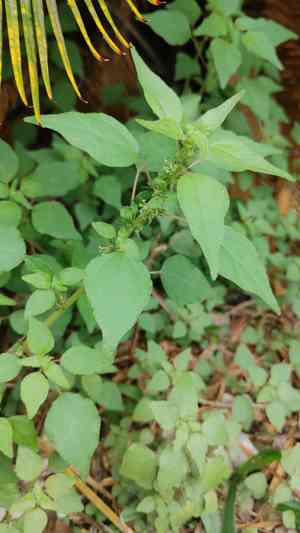
Parietaria judaica should be relocated from the beginning of spring until the bright period of early summer. It flourishes in areas with good drainage and ample sunlight. Handle with care to safeguard its fragile root system, promoting a successful transfer.
Necessary Preparations Before Moving Clustered Pellitory?
Optimal Period for Relocating Clustered Pellitory?
Relocating clustered pellitory between early spring and mid-summer guarantees prime rooting conditions due to warm soil and adequate moisture. This timeframe promotes robust development, boosts survival rates, and improves overall plant vitality. Early establishment supports the plant's complete growth cycle, making it resistant to environmental pressures.
Recommended Spacing Between Clustered Pellitory Plants?
When relocating clustered pellitory, aim for a separation of 12-18 inches (30-45 cm) between each specimen. This provides ample room for individual plant growth and prevents competition for nutrients and sunlight.
Ideal Soil Mixture for Clustered Pellitory Relocation?
Prepare the soil for clustered pellitory by utilizing well-drained, sandy or loamy earth. Incorporate a balanced, slow-release fertilizer to supply essential nutrients. This will aid your plants in achieving a strong start in their new spot.
Preferred Location for Your Clustered Pellitory?
Relocate clustered pellitory to an area that receives partial to full sunlight, approximately 4-6 hours of direct sun daily. This will ensure your plants get sufficient light to flourish and perform photosynthesis effectively.
Equipment Needed Before Relocating Clustered Pellitory?
Gardening Gloves
To safeguard your hands while handling soil and plants.
Shovel or Spade
For excavating the new planting site and extracting the plant from its original spot.
Hand Trowel
Useful for minor adjustments and shifting soil.
Garden Fork
Assists in loosening the soil around plant roots when removing from the ground.
Watering Can or Hose
To hydrate the plant before and after relocation.
Compost or Organic Matter
To enrich the soil at the new planting site.
Stakes or Supports
To brace the plant if it is tall or if the relocation occurs in a windy area.
How to Extract Clustered Pellitory from the Soil?
How to Extract Clustered Pellitory from the Soil?
From Ground: First, moisten the clustered pellitory plant to dampen the soil. Next, dig a wide trench around the plant using a shovel or spade, ensuring the plant's root ball remains intact. Carefully work the spade beneath the root ball to lift the plant from its initial location.From Pot: Lightly water the clustered pellitory plant. Gently invert the pot while holding the plant at its base. Tap the bottom of the pot until the plant slides out, along with its root ball. Handle the plant delicately to prevent root damage.From Seedling Tray: Water the seedling tray to facilitate easier removal of the clustered pellitory. Use a hand trowel to carefully lift the seedlings, making sure to support the root ball. Handle by the leaves, not the stem, to avoid harm.
Step-by-Step Guide for Relocating Clustered Pellitory
Site Selection
Identify the optimal spot in your garden for relocation based on the plantâs light and spacing needs.
Prepare New Hole
Excavate a hole in the new location that is twice as wide and of equal depth to the clustered pellitory's root ball.
Amend Soil
Incorporate compost or organic matter into the soil removed from the hole to enrich the planting area.
Relocate the Plant
Position the clustered pellitory plant in the center of the hole at the same depth it was originally growing. Backfill around the root ball with the amended soil, pressing gently but firmly to eliminate air pockets.
Water Thoroughly
Immediately irrigate the clustered pellitory plant to help settle the soil and initiate root establishment in its new location.
Mulch
Apply a layer of mulch around the plant's base to retain moisture and regulate soil temperature.
Post-Relocation Care for Clustered Pellitory?
Watering
Maintain consistent moisture in the soil around the clustered pellitory, avoiding sogginess, for the initial weeks after relocation to foster strong roots.
Monitoring
Regularly inspect the plant for indications of relocation shock such as wilting leaves, yellowing, or stunted growth. Adjust care as necessary.
Support
If the clustered pellitory plant is tall or the weather is windy, provide support with stakes or garden ties.
Pruning
Remove any damaged or dead foliage after relocation to direct energy towards recovery and new growth.
Resolving Common Issues with Clustered Pellitory Relocation.
When is the best time to relocate clustered pellitory?
The ideal period to relocate clustered pellitory is from early spring to mid-summer for improved growth.
What spacing should I use for clustered pellitory when relocating?
Clustered pellitory should be spaced 12-18 inches (30-45 cm) apart to ensure healthy development.
How do I prepare the soil for relocating clustered pellitory?
Cultivate the soil to a depth of 8 inches (20 cm) and mix in organic compost.
What if clustered pellitory wilts after relocation?
Water thoroughly and provide shade for the first week to aid recovery from relocation shock.
How deep should I plant clustered pellitory during relocation?
Plant clustered pellitory at the same depth it was growing in its original container for stability.
What type of soil is best for relocating clustered pellitory?
Clustered pellitory thrives in well-drained, loamy soil with a pH of 6.0 to 7.5.
How often should I water clustered pellitory after relocation?
Water clustered pellitory thoroughly immediately after relocation, then regularly to keep the soil moist but not soggy.
Can I relocate clustered pellitory under full sun?
Clustered pellitory prefers partial to full shade for optimal growth. Avoid relocating in direct, harsh sunlight.
What can I do to minimize relocation shock for clustered pellitory?
Water well before and after relocation, and handle the roots carefully to minimize stress.
How can I ensure successful root development after relocating clustered pellitory?
Utilize a root-stimulating fertilizer and avoid disturbing the roots to encourage healthy root establishment.



