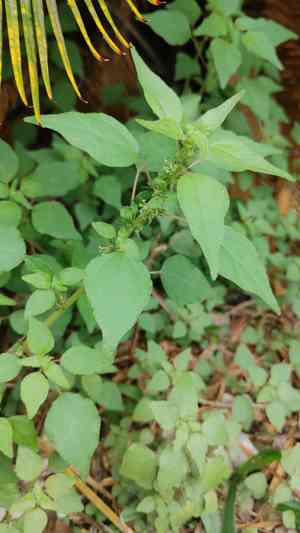
Clustered pellitory (Parietaria praetermissa)
Also known as: None
**Parietaria praetermissa**, commonly known as the clustered pellitory, is a plant species indigenous to the coastal plains of the southeastern United States, including Georgia, Florida, Louisiana, North Carolina, and South Carolina. It thrives in hammocks, waste areas, and calcareous outcrops, typically found at elevations around 10 meters.
In This Article
Attributes of Clustered pellitory
Lifespan
Annual
Plant Type
Herb
Plant Height
Up to 50 cm
Spread
N/A
Leaf Color
Green
Flower Size
Very small, less than 1 cm
Flower Color
Greenish-white
Images of Clustered pellitory
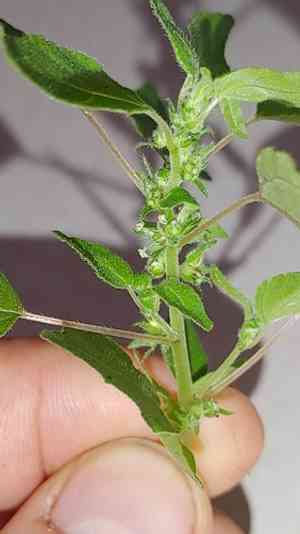
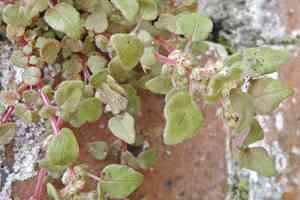
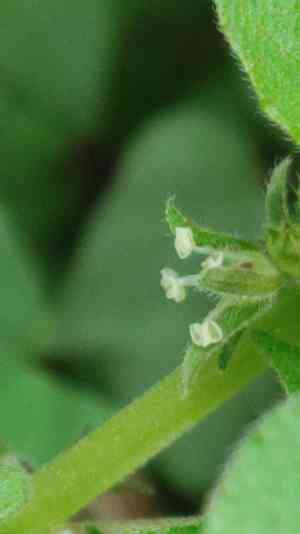
Quickly Identify Clustered pellitory
1
Look for a small, wall-growing plant with opposite leaves and minute, inconspicuous flowers that appear in the leaf axils.
Scientific Classification of Clustered pellitory
Phylum
Vascular plants
Class
Dicotyledons
Order
Rosales
Family
Nettle
Genus
Parietaria
Species
Clustered pellitory
Planting and Growing of Clustered pellitory
Care Difficulty
Moderate
Watering Schedule
Every 4 days
Sunlight Requirements
Partial sun
Sunshine Duration
4-8 hours
Ideal Temperature
60-75℉
Soil Type
Potting Mix, Peat Mix
Soil pH
6.5-7.5
Fertilizer Type
Balanced
Pruning Season
Spring, Summer
Pruning Area
Branches, Leaves
Pruning Frequency
Once a year
Repotting Season
Spring
Pot Type
Terracotta, Plastic
 How to Water Clustered pellitory?
Parietaria praetermissa thrives best when the soil is consistently moist but not soggy. An ideal watering session would involve delivering approximately 250 milliliters of water, ensuring that the soil is well-saturated but allowing excess water to drain to prevent waterlogging.
What are the symptoms of an underwatered Clustered pellitory?
›
What should I do if my Clustered pellitory is not getting enough water?
›
What are the symptoms of an overwatered Clustered pellitory?
›
How to save an overwatered Clustered pellitory?
›
 What Are the Sunlight Requirements for Clustered pellitory?
Partial sun suits Parietaria praetermissa best. This means it thrives in conditions with filtered sunlight or light shade, imitating its native environment. Ideal light supports vibrant growth, healthy leaves, and optimal vitality.
What is the best location for Parietaria praetermissa?
›
How can you ensure it gets ideal light if the natural setting is inadequate?
›
What are the benefits of providing ideal lighting?
›
 What Is the Ideal Temperature Range for Clustered pellitory?
For the optimal growth of Parietaria praetermissa, maintaining a temperature range between 60 to 75°F is crucial. This range ensures that the plant's metabolic processes function efficiently, promoting healthy growth and development. Within this range, the plant's enzymatic activities and physiological processes remain at their peak performance, reducing stress and optimizing photosynthesis. It is essential to consistently monitor the ambient temperature to ensure it remains within this ideal range to foster the best conditions for your plant.
 What Soil is Best for Clustered pellitory?
Parietaria praetermissa thrives in well-draining soil, as it allows the roots to access needed oxygen while avoiding waterlogged conditions. This property promotes healthy plant growth, preventing root rot and other moisture-related issues. Rich, nutritious soil supports the vigorous growth of Parietaria praetermissa by providing essential minerals and nutrients. A soil rich in organic matter enhances plant health and resilience against diseases. Though preferring well-drained soil, Parietaria praetermissa benefits from soil that retains moderate moisture levels, ensuring roots remain hydrated without becoming waterlogged, thus promoting healthy plant development.
 How to Fertilize Clustered pellitory?
For Parietaria praetermissa, moderate amounts of fertilizer are recommended to avoid the risk of burning the plant. Use approximately 1-2 teaspoons of liquid fertilizer diluted in a gallon of water during each application. For slow-release options, use a small handful evenly spread across the soil surface.
 How to Prune Clustered pellitory?
Begin by identifying any stems that appear dead, damaged, or diseased. These should be the first to be removed, as they do not contribute positively to the plant's growth and can harbor pests. Trim back overgrown branches to maintain a pleasing shape and encourage bushier growth. Focus on creating an even silhouette, which will enhance both the health and aesthetic appeal of the plant. Cut back densely packed areas to ensure air can circulate through the plant. This prevents mildew and fungal infections while also allowing sunlight to reach all parts of the plant, promoting even growth.
 How to Propagate Clustered pellitory plant?
1
Gather seeds from mature Parietaria praetermissa plants. Soak them in water for 24 hours to help soften the seed coat, which enhances germination rates. After soaking, ensure they are evenly dried before planting them in the seed tray.
2
Identify healthy, non-flowering stems approximately 10 cm long. Use sharp pruners for a clean cut just below a node. Remove the lower leaves and dip the cut end in rooting hormone powder to stimulate root development.
3
For seeds, sow them in seed tray filled with seed-starting mix, lightly covering them. For cuttings, plant them in a well-draining potting mix. Keep both seeds and cuttings moist but not waterlogged, and place them in indirect sunlight.
 How to Repot Clustered pellitory plant?
1
Watch for signs like roots poking through the drainage holes or a noticeable slowdown in growth. Spring and summer are the best seasons as the plant is actively growing and can recover better from the stress of repotting.
2
Select a pot that's one size larger than the current one, ensuring it has good drainage holes. A slightly larger pot will provide enough room for root growth without the risk of overwatering, which benefits the plant’s health.
3
Opt for a well-draining potting mix that retains some moisture but doesn’t become waterlogged. This ensures the roots have access to necessary moisture while preventing root rot, providing a healthy environment for growth.
Learn More About Clustered pellitory Diseases
Anthracnose
Bacterial Leaf Spot
Bacterial Soft Rot
Chemical Injury
Damping-off
Downy Mildew
Drought Stress
Fusarium Wilt
Gray Mold
Leaf Spot
Mosaic
Nutrient Deficiency
Nutrient Toxicity
Powdery Mildew
Root Rot
Root-knot Nematode
Rusts
Sooty Mold
Spider Mites
Temperature Stress
Thrips Damage
White Mold



