How to Transplant Curved hardgrass?
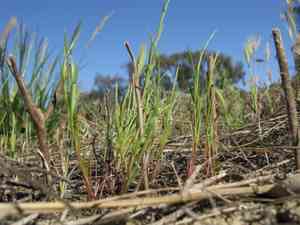
Relocate curved hardgrass during its period of vigorous development, generally as late spring's warmth embraces the ground, moving into the liveliness of early summer. Select a bright spot with soil that drains effectively, guaranteeing the delicate, young roots of curved hardgrass adapt ideally. Handle curved hardgrass with care to preserve its fragile health.
What Preparations are Necessary Before Relocating Curved Hardgrass?
What is the Optimal Period for Moving Curved Hardgrass?
The best time to move curved hardgrass is from the warmth of late spring through the pleasant days of early summer. Transplanting during this timeframe ensures curved hardgrass establishes successfully, benefiting from extended daylight and consistent temperatures, which are crucial for robust root growth. Relocating curved hardgrass in this season aligns with its natural growth cycle, leading to a vibrant display of its unique form in your garden.
How Much Space Should Be Allotted Between Curved Hardgrass Plants?
When relocating curved hardgrass, a good guideline is to provide each plant ample room to flourish. Aim for a separation of approximately 4-6 inches (10-15 cm) between them. This will guarantee that each curved hardgrass has sufficient space to develop and absorb nutrients without competition.
What is the Best Soil Mixture for Curved Hardgrass Relocation?
For curved hardgrass, it's ideal to prepare your soil with a pleasant, airy texture. Opt for a well-draining sandy loam and incorporate a balanced, slow-release fertilizer to give your plants an excellent start. This type of soil will assist your curved hardgrass in rooting and thriving.
Where Should You Replant Your Curved Hardgrass?
Find a sunny spot in your garden, as curved hardgrass enjoys absorbing sunlight. A location that receives full sun for most of the day would be perfect. This will promote strong development and help curved hardgrass become a lively addition to your green space.
What Equipment Should You Prepare Before Relocating Curved Hardgrass?
Gardening Gloves
To safeguard your hands while handling soil and plants.
Trowel
For digging and moving soil.
Shovel or Spade
To carefully excavate the plant from its original spot.
Watering Can or Hose
For hydrating before and after the relocation.
Secateurs or Pruning Shears
To trim any damaged or excess roots and foliage.
How Do You Extract Curved Hardgrass from the Soil?
How Do You Extract Curved Hardgrass from the Soil?
From Ground: Water the curved hardgrass thoroughly beforehand to make the soil easier to manage. Carefully dig around the plant with a shovel or spade, creating a wide perimeter, ensuring not to harm the root ball. When ready, slide the spade beneath the roots and gently lift the plant from the ground.From Pot: Start by thoroughly watering the curved hardgrass to help the roots and soil adhere together. Invert the pot and gently tap the bottom and sides to dislodge the plant. If it doesn't come out easily, run a trowel along the inner edge of the pot to help separate the soil from the pot before trying again.From Seedling Tray: Water the seedlings until the soil is moist. Use a trowel or your fingers to carefully remove the curved hardgrass from its cell, being extra cautious not to damage the delicate roots. It can be helpful to push the plant up from the bottom rather than pulling on the stem.
Step-by-Step Guide for Relocating Curved Hardgrass
Prepare the New Site
Dig a hole in the ground where you intend to relocate the curved hardgrass. The hole should be slightly larger than the root ball to allow for easy placement and sufficient room for the roots to spread.
Examine the Roots
Before placing your curved hardgrass in the new hole, inspect the root ball for any indications of damage or disease. If necessary, use secateurs or pruning shears to remove any unhealthy sections.
Planting
Gently place the curved hardgrass plant into the hole. The base of the plant should be level with the ground surface. Fill the area around the roots with soil, lightly patting it down to eliminate air pockets.
Watering
Water the curved hardgrass thoroughly after planting to help settle the soil around the roots and provide essential moisture for establishment.
Stabilizing
If the curved hardgrass is tall or top-heavy, consider staking the plant to keep it upright and ensure it grows straight during its initial period in the new location.
How Do You Care For Curved Hardgrass After Relocation?
Monitoring
Regularly check the plant for signs of distress, such as wilting leaves or discoloration, which may indicate an issue with the relocation process.
Watering
Maintain consistent moisture in the soil for the next few weeks as the curved hardgrass establishes in its new spot. Increased attention to hydration is vital during this period.
Mulching
Apply a layer of organic mulch around the base of the curved hardgrass to help keep the roots cool and retain moistureâjust be sure not to let the mulch touch the plant stem to prevent rot.
Troubleshooting Common Issues with Curved Hardgrass Relocation.
Why is my curved hardgrass not flourishing after relocation?
Ensure relocation occurred during the preferred period of late spring to early summer, and adequate spacing of about 4-6 inches (10-15 cm) is maintained.
How often should I water curved hardgrass after relocation?
Water curved hardgrass generously immediately after relocation and then maintain moderate moisture without overwatering.
What's the best soil type for relocating curved hardgrass?
Well-draining soil with some organic matter is ideal for curved hardgrass. Check soil compaction and pH level as well.
How deep should I plant curved hardgrass seedlings?
Plant curved hardgrass seedlings at the same depth they grew in their previous container to avoid stem rot.
Can I relocate curved hardgrass on a sunny day?
It's best to relocate on a cloudy day or in the late afternoon to prevent excessive sun stress.
Why are the leaves of curved hardgrass wilting after relocation?
Wilting can be from root shock. Minimize by keeping roots undisturbed as much as possible during relocation.
How do I prepare the relocation site for curved hardgrass?
Prepare a weed-free area with well-tilled soil, ensuring it has good moisture a few inches deep.
What temperature is too cold to relocate curved hardgrass?
Temperatures below frost (32°F or 0°C) are too cold. Wait for stable warm weather before relocating.
How do I reduce relocation shock for curved hardgrass?
Acclimate curved hardgrass gradually to outdoor conditions and ensure root ball remains intact and moist during the process.
Do I need to adjust pH before relocating curved hardgrass?
Yes, curved hardgrass prefers a specific soil pH. Test and amend your soil if it falls outside the ideal range.



