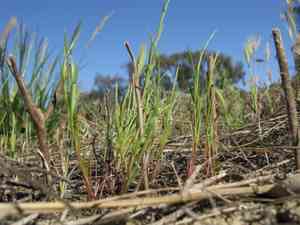
Curved hardgrass (Parapholis incurva)
Also known as: Coastal barb grass, Curved parapholis
Curved hardgrass (Parapholis incurva), also known as coast barbgrass, is an annual species that flowers in the spring with green or purple cylindrical spikes. Native to Europe and parts of Asia, it flourishes in full sunlight and favors sandy, well-drained soils. Additionally, it is tolerant of saline conditions.
In This Article
Attributes of Curved hardgrass
Lifespan
Annual
Plant Type
Grass
Plant Height
10 cm to 40 cm
Spread
N/A
Leaf Color
Green
Flower Size
4 cm to 10 cm
Flower Color
Yellow Green Purple Brown
Images of Curved hardgrass
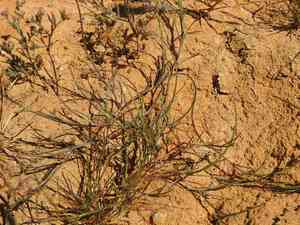
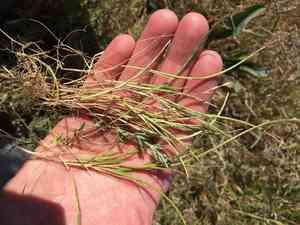
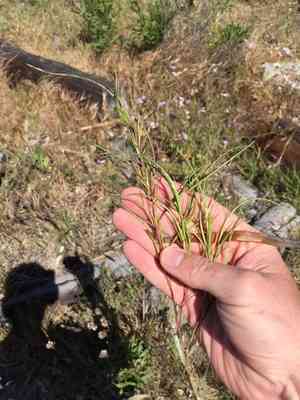
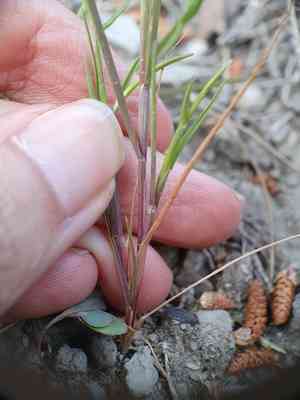
Quickly Identify Curved hardgrass
1
Look for a small grass with curved, stiff awns and flat leaf blades. The inflorescence will be spike-like, and the grass will usually be found in sandy or saline environments.
Scientific Classification of Curved hardgrass
Phylum
Vascular plants
Class
Monocotyledons
Order
Poales
Family
Grass
Genus
Sickle grasses
Species
Curved hardgrass
Planting and Growing of Curved hardgrass
Care Difficulty
Easy
Watering Schedule
Every 3 days
Sunlight Requirements
Full sun
Sunshine Duration
4-6 hours
Ideal Temperature
59-77℉
Soil Type
Potting Mix, Peat Mix
Soil pH
6-8
Fertilizer Type
Balanced
Pruning Season
Spring, Summer
Pruning Area
Leaves, Branches
Pruning Frequency
2 times a year
Repotting Season
Spring
Pot Type
Plastic, Ceramic
 How to Water Curved hardgrass?
For Parapholis incurva, it's best to water until the soil is moderately moist but not soggy. Aim for around 200ml each time. This ensures that the plant's roots are adequately hydrated without waterlogging.
What are the symptoms of an underwatered Curved hardgrass?
›
What should I do if my Curved hardgrass is not getting enough water?
›
What are the symptoms of an overwatered Curved hardgrass?
›
How to save an overwatered Curved hardgrass?
›
 What Are the Sunlight Requirements for Curved hardgrass?
Partial to full sun is ideal, promoting healthy growth and structural development in Parapholis incurva. Adequate light levels enable efficient photosynthesis, which is critical for nutrient production and supports root stability and resilience.
Optimal lighting identification
›
Solution for ideal lighting
›
Impact of ideal lighting
›
 What Is the Ideal Temperature Range for Curved hardgrass?
The ideal temperature range for Parapholis incurva is between 59°F to 77°F. Within this range, the plant can optimally perform physiological processes such as photosynthesis. Ensuring these conditions helps sustain healthy growth and prevents plant stress caused by temperature extremes.
 What Soil is Best for Curved hardgrass?
Parapholis incurva prefers a well-draining soil to avoid waterlogging, which can stunt its growth. The benefits of using well-drained soil include healthier root development and reduced disease risk. A moderately fertile soil is best for Parapholis incurva as it supports the plant's growth without promoting excessive foliage over root development. Providing balanced nutrition through the soil enhances the plant's resilience and productivity. This plant thrives in a mix of sandy loam soil which provides the right balance between drainage and nutrient retention, ensuring optimal growth conditions.
 How to Fertilize Curved hardgrass?
For Parapholis incurva, it's essential to apply a balanced amount of fertilizer to avoid stress. Use a diluted liquid fertilizer at half the recommended strength to maintain its delicate growth without overwhelming the plant. For solid fertilizers, use a minimal amount, such as a handful spread gently around the base of the plant.
 How to Prune Curved hardgrass?
Identify dead or damaged foliage and remove it using scissors or pruning shears. 2. Trim back any overly long or misshapen branches to maintain the plant's natural form. 3. Focus on cutting just above a node or leaf to encourage new growth. 4. Remove any grass spikes that may overshadow the core of the plant, allowing for better air circulation. Utilize a clean cut at a 45-degree angle to minimize water retention on the cut surface which can lead to rot. Always cut above a leaf node to promote healthy regeneration and observe plant response to determine future pruning needs.
More About Pruning Techniques→
 How to Propagate Curved hardgrass plant?
1
Collect seeds from mature Parapholis incurva plants. Ensure that the seeds are fully developed and dry. Gather them during the early spring to align with their natural germination cycle.
2
Fill seed trays with appropriate potting mix and evenly scatter the seeds on the surface. Cover them lightly with a thin layer of the potting mix, allowing sunlight penetration which aids germination.
3
Ensure the soil remains consistently moist but not soaked. Place the seed trays in a location with ample sunlight or provide additional grow lights to ensure healthy seedling development.
 How to Repot Curved hardgrass plant?
1
For Parapholis incurva, the best signal to repot is when you notice the roots starting to circle the pot or poke through the drainage holes. Additionally, if the plant appears to be stunted in growth or the soil drains slowly, these are clear indicators that repotting is needed. Aim to do this during its active growing seasons of spring or summer for optimal recovery.
2
Select a pot that is one size larger than the current one to allow sufficient room for root expansion. Make sure the pot has drainage holes, as Parapholis incurva thrives best when not waterlogged. A terracotta pot is often a good choice as it allows the soil to breathe and helps prevent overwatering, a common issue that can lead to root rot.
3
Opt for well-draining sandy loam to maintain the ideal moisture level for Parapholis incurva. This type of soil helps in preventing excess water retention while ensuring that the roots have access to necessary nutrients. The sandy loam mix is beneficial as it mimics the natural habitat of this plant, promoting healthier and more vigorous growth.



