How to Transplant Proso millet?
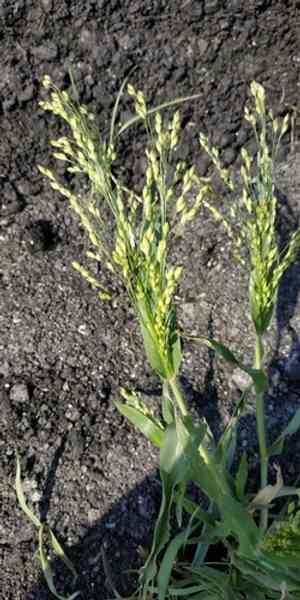
Transplanting proso millet is most effective during the warmer period spanning from late spring through late summer, given its preference for elevated temperatures. Select a bright spot with soil that drains efficiently to encourage peak development. Exercise caution with proso millet's root system during relocation to prevent harm.
Essential Preparations Before Relocating Proso Millet?
Optimal Period for Transplanting Proso Millet?
Moving proso millet from late spring to late summer, or during its 'warm growing season,' is highly effective. This timeframe aligns with proso millet's crucial development stage. Leverage the sun's energy for a strong harvest. Precise timing is key for successful relocation!
Recommended Spacing Between Proso Millet Plants?
To provide proso millet ample room for development, position plants approximately 6-9 inches (15-23 cm) apart during transplanting. This ensures sufficient space for them to flourish and thrive.
Best Soil Blend for Proso Millet Transplanting?
For thriving proso millet, prepare well-draining soil with a neutral pH. Incorporate rich, organic compost as a foundational fertilizer to support plant growth and development.
Optimal Location for Your Proso Millet?
Select a garden spot with full sun exposure, as proso millet thrives on abundant sunlight. Ensure the area receives at least 6-8 hours of daylight daily to promote vigorous plant growth.
Equipment Needed Before Transplanting Proso Millet?
Gardening Gloves
These are essential for protecting your hands, which can become sensitive during the transplanting process.
Transplanting Trowel
This tool is smaller and narrower than a standard garden shovel, making it perfect for transplanting tasks.
Gardening Spade
To be used when extracting the proso millet from its original position.
Watering Can
Crucial for moistening the soil both before and after the transplanting procedure.
Garden Fork
Utilized for lifting plants with delicate root systems.
Wheelbarrow
Useful for transporting soil, compost, and proso millet plants during transplanting.
Compost
Excellent for enriching the new planting site, boosting proso millet's growth rate.
Mulch
Helps maintain soil moisture levels, which are vital for newly transplanted proso millet.
How to Extract Proso Millet from the Soil?
How to Extract Proso Millet from the Soil?
From Ground: Begin by watering the proso millet plant to soften the surrounding soil. Using a garden spade, carefully dig around the plant, taking care not to harm the roots. Keep the root ball intact as you lift the plant from its initial spot. From Pot: Ensure the proso millet plant is watered beforehand. Turn the pot sideways, and while holding the plant at its base, gently tap the bottom of the pot, then slide the plant out. Be gentle to avoid damaging the plant and its roots. From Seedling Tray: Water the seedlings first to moisten the soil, then carefully remove each proso millet seedling by pushing up from the tray's bottom. Handle seedlings gently by their leaves to prevent damage to delicate roots.
Step-by-Step Guide for Transplanting Proso Millet
Prepare the New Site
Clear the new location of any debris or weeds. This ensures nothing impedes the growth of the proso millet.
Excavate a Hole
The hole should be twice as wide and as deep as the proso millet's root ball. This provides ample space for establishment.
Position the Plant
Gently place the proso millet in the hole, spreading its roots. It should be at the same soil level as in its original location.
Backfill the Opening
Carefully refill the hole with the excavated soil. Ensure no air pockets remain by gently compacting the soil.
Water Thoroughly
Water the transplanted proso millet generously, then add a layer of mulch to regulate soil temperature and moisture.
Observe Closely
Monitor the proso millet carefully over the next few weeks. This helps identify any signs of transplant shock, such as wilting or leaf discoloration.
Post-Transplanting Care for Proso Millet?
Watering
Water the transplanted plant frequently, especially during dry or windy periods, but avoid overwatering. The soil should remain moist, not waterlogged.
Mulching
Maintain a layer of mulch around the proso millet. It helps conserve water, suppresses weeds, and stabilizes soil temperature.
Protection
Especially in the initial days after transplanting, shield the proso millet from severe weather conditions like heavy rain, strong winds, or intense sun to prevent plant stress.
Growth Monitoring
Keep an eye on proso millet's development. If you notice any signs of disease, wilting, or color changes, these could indicate transplant shock and require immediate attention.
Feeding
Allow a few weeks for your proso millet plant to acclimate to its new environment before feeding, then establish a regular feeding schedule for optimal growth.
Resolving Common Issues with Proso Millet Transplantation.
When is the best time of year to transplant proso millet?
Proso millet typically thrives when moved from late spring through late summer.
What is the recommended spacing for proso millet during transplantation?
When transplanting proso millet, allow approximately 6-9 inches (15-23 cm) of space between each plant.
How should I prepare the soil before transplanting proso millet?
Ensure a loamy, well-drained soil enriched with compost or organic matter. The soil pH should be slightly acidic to neutral.
Are there indicators that my proso millet is not adjusting well after transplanting?
Yes, wilting or yellowing leaves, stunted growth, and leaf drop suggest your proso millet may be struggling post-transplantation.
What actions should I take if my proso millet is not adjusting well after transplant?
Examine the soil, temperature, and watering frequency. Adjust as needed. In severe cases, consider re-transplanting the plant.
Is excessive watering detrimental when transplanting proso millet?
Yes, overwatering can lead to root rot and kill the proso millet. It's better to water deeply but less often.
Does proso millet require sunlight after transplantation?
Proso millet performs best in full sun but can tolerate some shade. Avoid exposing it to extreme hot sunlight immediately after transplant.
How deep should proso millet be planted into the soil during transplantation?
Proso millet should be planted at the same depth as it was in its original pot. Maintain a consistent soil line.
Can proso millet recover from transplant shock?
Proso millet is quite resilient but can still experience transplant shock. Proper care and timing can help it overcome this initial stress.
What is the ideal temperature for transplanting proso millet?
Proso millet prefers a warm climate for transplantation, ideally between 70°F-75°F (21°C-24°C). Avoid extreme temperatures.



