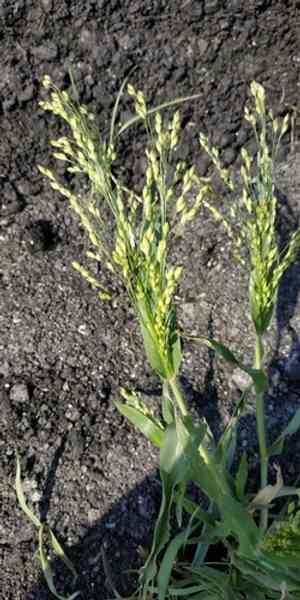
Proso millet (Panicum miliaceum)
Also known as: Common millet, Kashfi millet
Proso millet (*Panicum miliaceum*) is a rapidly maturing grain crop widely cultivated globally. It typically flowers from summer into fall, with each floret producing a single seed. The plant favors full sunlight and can adapt to a range of soil moisture levels, from moist to dry. Common pests include beetles, grasshoppers, aphids, and moths.
In This Article
Attributes of Proso millet
Lifespan
Annual, Biennial, Perennial
Plant Type
Grass
Plant Height
91 cm to 1.2 m
Spread
15 cm
Leaf Color
Green Yellow Purple
Flower Size
2.5 cm
Flower Color
Green Purple Yellow
Images of Proso millet
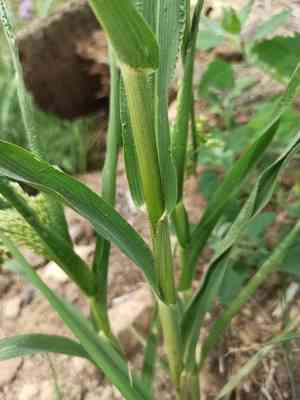
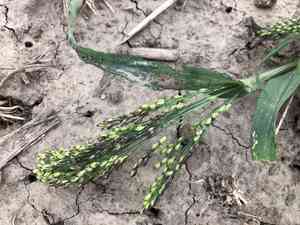
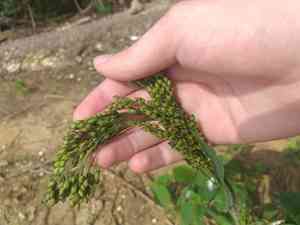
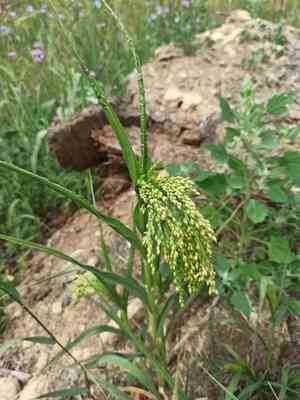
Quickly Identify Proso millet
1
To identify Panicum miliaceum, look for a grass-like plant that typically grows between 1-1.5 meters tall. It has broad, lance-shaped leaves and produces a branched panicle inflorescence with small, round grains that are usually white, yellow, or red.
Scientific Classification of Proso millet
Phylum
Vascular plants
Class
Monocotyledons
Order
Poales
Family
Grass
Genus
Panicgrasses
Species
Proso millet
Planting and Growing of Proso millet
Care Difficulty
Easy
Watering Schedule
Every 2 days
Sunlight Requirements
Full sun
Sunshine Duration
6-10 hours
Ideal Temperature
68-86℉
Soil Type
Potting Mix, Peat Mix
Soil pH
6.5-7.5
Fertilizer Type
Balanced
Pruning Season
Spring, Summer
Pruning Area
Branches, Leaves
Pruning Frequency
2 times a year
Repotting Season
Spring
Pot Type
Plastic, Terracotta
 How to Water Proso millet?
For Panicum miliaceum, each watering session should be thorough, making sure the water penetrates into the soil evenly. You want to aim for about 500 ml of water per session, enough to reach the deeper roots yet avoid waterlogging.
What are the symptoms of an underwatered Proso millet?
›
What should I do if my Proso millet is not getting enough water?
›
What are the symptoms of an overwatered Proso millet?
›
How to save an overwatered Proso millet?
›
 What Are the Sunlight Requirements for Proso millet?
Full sun conditions are ideal for Panicum miliaceum. Consistent sunlight ensures robust growth and optimal formation of grains, improving both quality and quantity.
What is the optimal light condition for Panicum miliaceum?
›
How can one ensure ideal lighting for Panicum miliaceum?
›
What are the benefits of Panicum miliaceum getting ideal lighting?
›
 What Is the Ideal Temperature Range for Proso millet?
Panicum miliaceum thrives best within a temperature range from 68°F to 86°F. These conditions ensure optimal metabolic activity and growth rates. Consistent temperatures within this range promote robust development and productivity in the plant.
 What Soil is Best for Proso millet?
Panicum miliaceum thrives in soil that's enriched with organic matter. This kind of soil provides essential nutrients, supporting robust growth and increased yield. The plant requires well-drained soil to prevent root rot and maintain healthy oxygen levels around the root system. Good drainage ensures that water does not stagnate, which could otherwise lead to poor plant growth. While Panicum miliaceum can tolerate dry conditions, consistent moderate moisture levels are optimal. This balance prevents stress on the plant and aids in maintaining healthy photosynthesis.
 How to Fertilize Proso millet?
For Panicum miliaceum, an optimal fertilizer quantity involves using about 10 grams of a balanced NPK 10-10-10 fertilizer per square meter. This ensures the plant receives adequate macronutrients without risk of nutrient burn.
 How to Prune Proso millet?
Start by gathering sharp pruning shears and sanitizing them to prevent transmitting diseases. Clean cuts heal faster and reduce stress on the plant. Keep a small disinfectant spray handy to clean the tools between cuts. Begin pruning by removing any dead or damaged stems at their base. This redirects energy to healthier parts of the plant and encourages a vigorous growth pattern. Look for brown or shriveled stems that might be detracting from the plant's aesthetics. Carefully thin out any crowded areas by selectively pruning the stems. This allows more light and air to penetrate through the plant, improving its internal microclimate and reducing the risk of mildew or rot. Focus on cutting back older stems to foster new growth. Once thinning is complete, step back and assess the plant’s shape. Trim additional growth to achieve a balanced and pleasing silhouette. Remember to maintain a natural look, avoiding excessive symmetry that might appear unnatural.
 How to Propagate Proso millet plant?
1
Use a well-draining soil mix, combining peat moss and vermiculite or perlite in equal parts. This mix retains moisture while ensuring adequate aeration, crucial for seed germination. Sterilize the mix to eliminate pathogens that could harm the seedlings.
2
Scatter the Panicum miliaceum seeds evenly over the prepared soil surface. Cover them lightly with an additional layer of soil mix, about 1/4 inch deep. This depth provides the right conditions for moisture retention and light exposure needed for germination.
3
Keep the seed trays in a warm area with indirect light. Maintain a consistent temperature around 20-25°C (68-77°F). Ensure the soil remains moist, using the watering can to avoid over-watering, which can drown the seeds or cause fungal infections.
 How to Repot Proso millet plant?
1
Look for signs like roots growing out of drainage holes, or the plant becoming top-heavy. These indicate it's time for a bigger home. Spring and summer are ideal as the plant is actively growing, allowing better recovery and adaptation to the new soil environment, providing necessary nutrients.
2
Select a pot that is only slightly larger than the current one, with ample drainage holes. This prevents waterlogging and encourages healthy root development. A pot that is too large can lead to overwatering issues, so the balance is crucial to support growth and structure.
3
Opt for a well-draining potting mix, ideally with some sand or perlite to aid drainage. A light, porous soil prevents root rot and provides adequate aeration, crucial for the root system's breathing and nutrient uptake, ensuring a healthy plant growth cycle.



