How to Transplant Slender yellow woodsorrel?
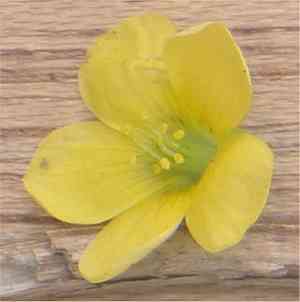
The spring season's mild temperatures and revitalizing precipitation create a perfect environment for relocating slender yellow woodsorrel, facilitating root development. Select locations offering partial shade and damp, adequately draining earth. When encouraging its establishment in a new spot, provide gentle care and minimize disruption to its root system.
Essential Preparations Before Relocating Slender Yellow Woodsorrel
Optimal Timing for Slender Yellow Woodsorrel Relocation?
The best time to move slender yellow woodsorrel is during the spring season, as mild temperatures and increased daylight promote strong root development. Transplanting slender yellow woodsorrel at this point encourages vigorous growth and reduces stress, boosting its chances of flourishing in a new spot. Selecting this season provides slender yellow woodsorrel with the finest possible start in its new home, amidst the revitalizing energy of early year growth.
Recommended Spacing Between Slender Yellow Woodsorrel Plants?
For slender yellow woodsorrel, allow 1-2 feet (approximately 30-60 cm) between each plant. This distance provides ample room for development and ensures healthy growth without plants competing for resources.
Best Soil Blend for Slender Yellow Woodsorrel Transplanting?
Slender yellow woodsorrel thrives in fertile, well-draining soil. Before transplanting, incorporate compost or other organic material into your garden soil, which not only boosts fertility but also improves moisture retention. Additionally, apply a slow-release base fertilizer suitable for perennials.
Ideal Location for Your Slender Yellow Woodsorrel?
Position your slender yellow woodsorrel in an area receiving full to partial sunlight. While it can endure some shade, it flourishes best in spots where it gets at least six hours of daily sun. Find a bright location where it can thrive!
Tools Required for Transplanting Slender Yellow Woodsorrel
Gardening Gloves
These will safeguard your hands while handling soil and the slender yellow woodsorrel plant.
Shovel or Spade
Needed for excavating the plant from its initial spot while keeping the root ball intact.
Pruning Shears
Essential for trimming the plant and removing any dead or damaged stems.
Trowel
Used for digging the new hole where the slender yellow woodsorrel plant will be replanted.
Watering Can
Required to hydrate the plant both before and after its relocation.
Wheelbarrow or Cart
If moving a sizable plant, you'll need a way to transport it during the move.
Root stimulator
A root stimulator can significantly enhance the plant's transplanting success rate.
How to Extract Slender Yellow Woodsorrel from the Ground
How to Extract Slender Yellow Woodsorrel from the Soil?
From Ground: First, lightly water the slender yellow woodsorrel plant. This will moisten the soil, making it easier to dig around the plant's root ball. Using a shovel or spade, dig a wide circle around the plant, being careful to keep the root ball undisturbed. Gently work your way beneath the root ball to lift the plant from its original spot.From Pot: Water the plant beforehand; this dampens the soil and simplifies removing your slender yellow woodsorrel plant. Invert the pot, hold the plant at its base, and try to gently pull it out. If it resists, lightly tap the bottom of the pot. Once out, carefully remove any excess soil from the roots, taking care not to harm them.From Seedling Tray: Water the tray first; this will facilitate seedling removal. Use a trowel or your fingers to gently loosen the soil around the edge of the slender yellow woodsorrel plant's cell before carefully extracting the plant and its roots. Handle seedlings by their leaves to prevent damage to the stem and roots.
Detailed Steps for Transplanting Slender Yellow Woodsorrel
Site Preparation
Prepare the new location by digging a hole twice as wide and deep as the root ball of your slender yellow woodsorrel plant. Amend the soil from the hole if necessary.
Transfer
Carefully place the slender yellow woodsorrel plant into the new hole. It should rest at the same soil level as it was previously planted.
Backfill
Refill the hole with soil, ensuring to gently press down to eliminate any air pockets, which can harm roots.
Water
Thoroughly and slowly water your slender yellow woodsorrel plant to ensure moisture reaches the root zone.
Mulch
Applying mulch around the plant's base will help retain moisture and suppress weeds.
Post-Transplant Care for Slender Yellow Woodsorrel
Monitoring and Care
Closely observe your slender yellow woodsorrel plant for several weeks following the transplant process. Look for signs of transplant shock, such as yellowing leaves or wilting.
Watering
Water the plant thoroughly after transplanting and continue this practice as needed. The soil should not dry out for the initial few weeks post-transplant. Be careful not to overwater, however.
Pruning
If the plant exhibits signs of stress, such as wilting or discolored leaves, do not be alarmed. Prune these sections to encourage new, healthy growth.
Protection
Keep an eye out for pests and diseases. Stress often attracts these, and early detection can prevent significant damage.
Resolving Common Issues with Slender Yellow Woodsorrel Transplantation
When is the best time of year to transplant slender yellow woodsorrel?
Ideally, transplant slender yellow woodsorrel during late winter to early spring. These seasons offer optimal conditions for the plant to establish roots and adapt before summer's heat.
What is the preferred spacing when transplanting slender yellow woodsorrel?
For optimal growth, slender yellow woodsorrel should be spaced approximately 1-2 feet (30-60 cm) apart. This provides each plant sufficient room to grow without competing for resources.
What should I do if slender yellow woodsorrel wilts after transplanting?
Slender yellow woodsorrel can sometimes wilt due to transplant shock. Minimize this by providing ample water, shade from intense sun, and time to recover. It should regain its vigor within a few days.
Why does slender yellow woodsorrel have yellow leaves after being transplanted?
Yellow leaves might indicate overwatering or a nutrient deficiency. Ensure slender yellow woodsorrel is not waterlogged, and consider adding some organic compost for extra nutrients.
What type of soil is best for transplanting slender yellow woodsorrel?
Slender yellow woodsorrel prefers well-drained, fertile soil. Balance is crucial - the soil should be neither too sandy nor too clayey. If necessary, amend with organic matter to improve soil structure.
How much sunlight does slender yellow woodsorrel need after being transplanted?
Keep slender yellow woodsorrel in an area that receives partial to full sun. Too much shade can hinder its growth, while overly intense sunlight can cause leaf burn, especially right after transplanting.
What should the watering schedule be for just transplanted slender yellow woodsorrel?
Immediately after transplanting, water slender yellow woodsorrel generously. Afterward, maintain a moderate watering schedule - keep the soil consistently moist, but avoid making it waterlogged.
How often should I fertilize transplanted slender yellow woodsorrel?
Slender yellow woodsorrel doesn't have high feeding requirements, but it benefits from balanced fertilization. Fertilize it twice a year - once at the start of the growing season and once midway through.
What is the ideal depth for transplanting slender yellow woodsorrel?
The transplant hole should be deep enough to accommodate slender yellow woodsorrel's root ball. Generally, the plant should be at the same soil level as it was in its original location.
What if there is pest invasion on my slender yellow woodsorrel after transplanting?
At the first sign of pests, use a mild, organic pesticide or a strong stream of water to dislodge them. Monitor closely for any potential reoccurrence.



