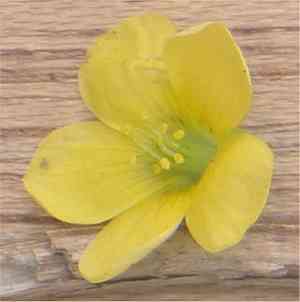
Slender yellow woodsorrel (Oxalis dillenii)
Also known as: Common yellow woodsorrel
Slender yellow woodsorrel flowers feature five yellow petals, each measuring between 5 millimeters and 1 centimeter in length. The plant's distinctive trifoliate leaves are typically 1 to 2 centimeters wide. Though originally from North America, this plant is now found in various parts of the world.
Attributes of Slender yellow woodsorrel
Images of Slender yellow woodsorrel
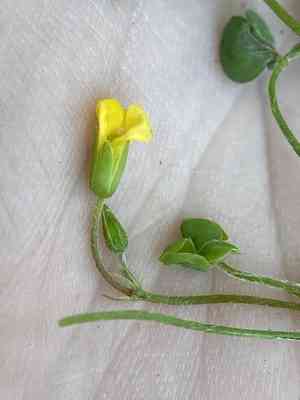
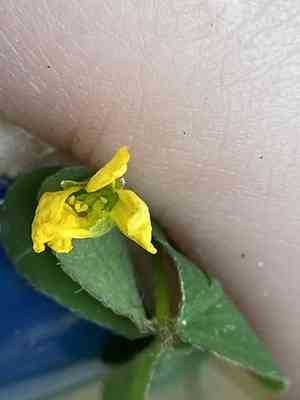
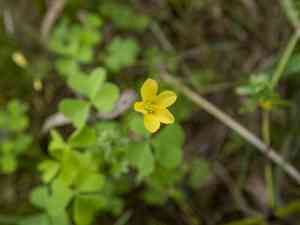
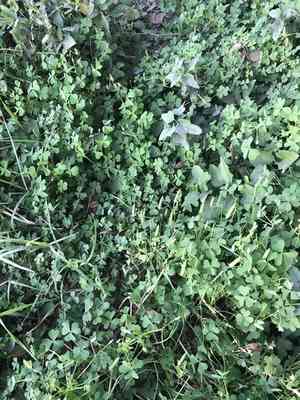
Quickly Identify Slender yellow woodsorrel
Scientific Classification of Slender yellow woodsorrel
Planting and Growing of Slender yellow woodsorrel
 How to Water Slender yellow woodsorrel?
 What Are the Sunlight Requirements for Slender yellow woodsorrel?
 What Is the Ideal Temperature Range for Slender yellow woodsorrel?
 What Soil is Best for Slender yellow woodsorrel?
 How to Fertilize Slender yellow woodsorrel?
 How to Prune Slender yellow woodsorrel?
 How to Propagate Slender yellow woodsorrel plant?
 How to Repot Slender yellow woodsorrel plant?
Toxicity of Slender yellow woodsorrel
Is Slender yellow woodsorrel toxic to cat?
The slender yellow woodsorrel is a plant species that is toxic to cats. Accidental ingestion of this plant can represent a serious health threat. Every part of the slender yellow woodsorrel is toxic, and if consumed, it might result in physical discomfort, illness, or distress for cats. Exposure typically occurs through the unintentional eating of the plant. If you suspect that your cat has consumed slender yellow woodsorrel, it is vital to obtain immediate veterinary help to ensure that your pet gets the necessary care and treatment.
Is Slender yellow woodsorrel toxic to dog?
The slender yellow woodsorrel plant is recognized as toxic to dogs. Accidental consumption of this plant by dogs can lead to poisoning. All parts of the plant, including leaves, stems, and flowers, contain harmful substances that can endanger canine health. If a dog consumes any portion of slender yellow woodsorrel, it may exhibit symptoms of poisoning such as gastrointestinal distress, lethargy, and various signs of discomfort. It is essential for dog owners to keep a vigilant eye on their pets and restrict their access to slender yellow woodsorrel to prevent any unintentional ingestion. Should a dog consume slender yellow woodsorrel, it is vital to seek immediate veterinary assistance for the pet’s safety.



