How to Transplant False rosinweed?
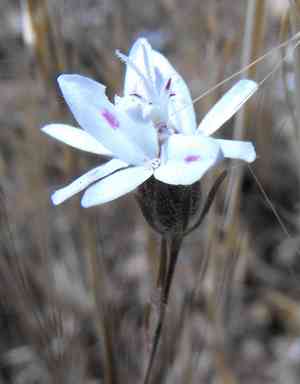
The optimal period for relocating false rosinweed extends from the onset of early spring through the threshold of summer's heat, facilitating vigorous development. Choose brightly lit areas featuring soil that drains effectively, and although the transplanting process is generally straightforward, careful manipulation guarantees positive outcomes.
Preparations Required Before Relocating False Rosinweed?
Optimal Period for Transplanting False Rosinweed?
The prime period for moving false rosinweed extends from the refreshing start of early spring to the gentle beginning of summer. Initiating growth during this time leverages the full vigor of spring's milder climate, offering false rosinweed the ideal balance of cool evenings and warming earth crucial for root development and strong growth. Embrace this season to observe false rosinweed's graceful progression from nascent potential to thriving beauty.
Recommended Spacing Between False Rosinweed Plants?
When relocating your false rosinweed, ensure sufficient room for each plant to flourish. Aim to space them approximately 12-18 inches (30-45 cm) apart, which will provide ample space for growth and promote good air circulation.
Ideal Soil Blend for False Rosinweed Transplantation?
Prepare a welcoming bed for your false rosinweed by selecting a soil that drains effectively. Enhance it with a balanced slow-release fertilizer or compost to provide your plants with a nourishing start. Target a loamy or sandy soil type that retains moisture without becoming waterlogged.
Preferred Location for Relocating Your False Rosinweed?
Select a sunny location for your false rosinweed that receives at least 6 hours of direct sunlight daily. This plant thrives in bright sunshine, so a spot with abundant light will help it prosper and bloom beautifully.
Equipment to Prepare Before Transplanting False Rosinweed?
Gardening Gloves
To safeguard your hands while handling soil and plants.
Shovel or Spade
For excavating the plant from its current spot and preparing the new hole.
Hand Trowel
Useful for smaller, delicate tasks, including gently separating roots if needed.
Garden Fork
To loosen the soil surrounding the plant prior to removal.
Watering Can or Hose
To hydrate the plant before and after its relocation.
Pruning Shears
To trim any damaged roots or foliage before the transplant.
Wheelbarrow or Plant Tray
To safely move the false rosinweed between locations.
Measuring Tape
To ensure correct spacing between new planting sites.
How to Extract False Rosinweed from the Soil?
How to Extract False Rosinweed from the Soil?
From Ground: First, water the false rosinweed plant to moisten the soil, making it easier to manage. Use a garden fork to gently loosen the soil around the plant. Begin several inches away from the base to prevent damage to the root system. Next, slide a shovel or spade beneath the root ball, and carefully lift the plant from the ground, minimizing root disturbance.From Pot: Water the false rosinweed to ensure the soil is damp. Gently turn the pot on its side and tap the bottom to dislodge the plant. Then, grasp the base of the false rosinweed, and with a gentle pull, remove it from the pot, keeping the root ball intact. If the plant resists, roll the pot on its side and apply gentle pressure to the sides to loosen the soil.From Seedling Tray: Water the seedlings to facilitate easier removal. Use a hand trowel or similar tool to gently lift each false rosinweed from its cell, taking care not to harm the delicate roots. Hold the seedling by its leaves rather than the stem to avoid injury.
Step-by-Step Guide for Relocating False Rosinweed
Preparation
Ensure all necessary tools and equipment are ready. Start by thoroughly watering the false rosinweed before beginning the transplant process to lessen stress and help keep the root ball together.
Removal
Gently extract the false rosinweed from its original spot, whether from the ground, a pot, or a seedling tray, with minimal root disturbance and retaining as much soil on the roots as possible.
Transport
Carefully move the false rosinweed to its new location using a wheelbarrow or tray. Avoid disturbing the root ball during transit.
Placement
Dig a hole in the prepared area that is twice as wide and as deep as the root ball. Position the false rosinweed so it sits at the same depth it was previously growing. Gently fill in around the plant with soil and firm the soil to eliminate air pockets.
Watering
Immediately after transplanting, water the false rosinweed generously to help settle the soil and remove air gaps around the roots. Water slowly and deeply to reach the root zone.
Post-Transplantation Care for False Rosinweed
Initial Care
Maintain consistent moisture in the soil around the false rosinweed for the first few weeks after transplanting, but be careful to prevent waterlogging.
Stabilization
Monitor the false rosinweed daily to confirm it is settling into its new environment. This involves checking for signs of transplant shock, such as wilting or yellowing leaves.
Mulching
Apply mulch around the base of the false rosinweed to retain moisture, stabilize soil temperature, and reduce weed competition, but keep it away from the plant's stem to prevent rot.
Pruning
Trim away any damaged or dead foliage to direct the false rosinweed's energy towards root and new growth development.
Resolving Common Issues with False Rosinweed Transplantation.
Why is my false rosinweed wilting after transplanting?
Wilting can occur if false rosinweed experiences shock. Ensure it's watered gently and soil remains moist, not waterlogged. Provide shade if necessary during the hottest part of the day.
How much should I water false rosinweed post-transplant?
Water your false rosinweed generously right after transplanting, then maintain consistent moisture without overwatering. Adjust based on weather and soil drainage.
What is the optimal transplanting distance for false rosinweed?
Space false rosinweed optimally by positioning them about 12-18 inches (30-45 cm) apart, which allows adequate room for growth and airflow.
When is the best time to transplant false rosinweed?
Transplant false rosinweed during the sweet spot of early to late spring, when temperatures are mild and the plant can establish roots before the heat of summer.
The leaves of my transplanted false rosinweed are turning yellow. Why?
Yellowing leaves may indicate overwatering or poor drainage. Make sure the soil isn't soggy and adjust your watering accordingly.
What are the soil requirements for transplanting false rosinweed?
Plant false rosinweed in well-draining soil rich in organic matter. If necessary, amend the soil with compost before transplanting.
Should I fertilize false rosinweed after transplanting it?
Wait a few weeks before fertilizing. Let false rosinweed establish itself first, then use a balanced, slow-release fertilizer to support growth.
My false rosinweed isn't growing after transplantation, what could be wrong?
Ensure it's planted at the same depth it was in the pot, has proper sunlight, and consistent watering. Give it time to adjust.
What should I do if there's unexpected frost after transplanting false rosinweed?
Protect false rosinweed with a frost cloth or bring potted plants indoors if possible. Mulch can also provide insulation from sudden cold snaps.
How do I choose the best location for transplanting false rosinweed?
Find a spot with adequate sunlight, away from larger plants that may overshadow false rosinweed. Consider the mature size for optimal spacing and airflow.



