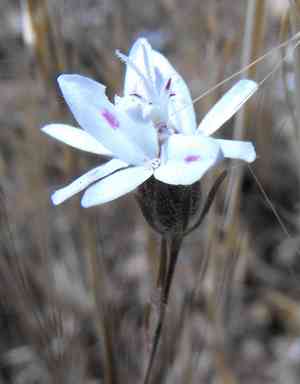
False rosinweed (Osmadenia tenella)
Also known as: Osmadenia
The herb you're referring to is likely Osmadenia tenella, commonly known as False Rosinweed. This annual plant, native to California and Baja California, thrives in rocky soils, scrubs, and coastal grasslands. Its white flowers typically bloom in early summer.
In This Article
Attributes of False rosinweed
Lifespan
Annual
Plant Type
Herb
Plant Height
41 cm
Spread
Not typically measured due to its slender growth
Leaf Color
Green
Flower Size
Approximately 1 cm (0.4 inches)
Flower Color
White Purple
Images of False rosinweed
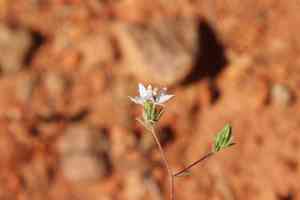
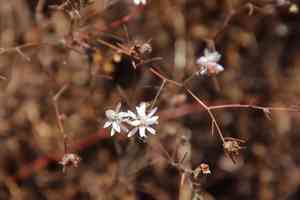
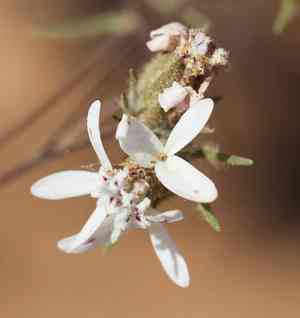
Quickly Identify False rosinweed
1
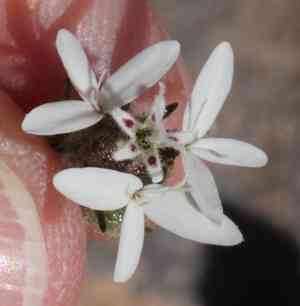
The plant is identifiable by its small, narrow, and very finely divided leaves and its delicate, pink to white, daisy-like flowers.
Scientific Classification of False rosinweed
Phylum
Vascular plants
Class
Dicotyledons
Order
Asterales
Family
Daisy
Genus
False Rosinweed
Species
False rosinweed
Planting and Growing of False rosinweed
Care Difficulty
Moderate
Watering Schedule
Every 4 days
Sunlight Requirements
Full sun
Sunshine Duration
6-10 hours
Ideal Temperature
65-75℉
Soil Type
Potting Mix, Peat Mix
Soil pH
6-8
Fertilizer Type
Balanced
Pruning Season
Spring, Summer
Pruning Area
Branches, Leaves
Pruning Frequency
2 times a year
Repotting Season
Spring
Pot Type
Plastic, Ceramic
 How to Water False rosinweed?
Osmadenia tenella requires a balanced watering approach. Each time you water this plant, aim for approximately 150 milliliters. Ensure water reaches the root zone without pooling at the base, which can suffocate the roots.
What are the symptoms of an underwatered False rosinweed?
›
What should I do if my False rosinweed is not getting enough water?
›
What are the symptoms of an overwatered False rosinweed?
›
How to save an overwatered False rosinweed?
›
 What Are the Sunlight Requirements for False rosinweed?
Osmadenia tenella requires full sunlight, optimally six to eight hours daily. This exposure supports its growth and prevents legginess, allowing it to maintain structural strength and vibrant leaf coloration.
Optimal Sunlight Requirement
›
Location Recommendations
›
Benefits of Ideal Lighting
›
 What Is the Ideal Temperature Range for False rosinweed?
The ideal temperature range for Osmadenia tenella, also known as Osmadenia, is between 65°F and 75°F. Within this range, the plant is most likely to thrive as it can efficiently perform photosynthesis, absorb nutrients, and grow robustly. Maintaining temperatures within this range helps in ensuring the plant's optimal health and productivity.
 What Soil is Best for False rosinweed?
Osmadenia tenella thrives in soils with excellent drainage. Poor drainage can lead to root rot, which is detrimental to the plant’s health. Ensure that the soil composition allows water to flow freely while retaining enough moisture to nourish the roots. The plant benefits from a nutrient-rich soil environment. Supplementing the soil with organic matter can greatly aid in the provision of minerals and nutrients necessary for Osmadenia tenella to flourish, fostering vibrant growth. The plant prefers a light and well-aerated soil, which helps in maintaining a balance between moisture retention and air circulation around the roots. This environment is beneficial for keeping the plant healthy and supporting steady growth.
 How to Fertilize False rosinweed?
Osmadenia tenella requires a balanced approach to fertilization. Start with a quarter-strength liquid fertilizer for young plants and gradually increase as the plant matures to avoid nutrient burn. Aim for a well-balanced N-P-K ratio to ensure all-round growth and flowering.
 How to Prune False rosinweed?
Use sharp and clean pruning shears to avoid any potential damage to the plant. Sharp tools ensure a clean cut and reduce the risk of disease transmission. Carefully inspect the plant for any dead, diseased, or damaged stems. Removing these parts helps prevent any diseases from spreading and keeps the plant vigorous. Focus on creating a rounded and compact form. Trim excess growth selectively to achieve a balanced look, paying special attention to outward-facing buds to encourage more expansive growth. While trimming, ensure you are not removing more than one-third of the plant at a time as this can stress the plant significantly and impede its recovery.
More About Pruning Techniques→
 How to Propagate False rosinweed plant?
1
Harvest seeds from Osmadenia tenella when the flower heads become dry and brittle. Ensure that seeds are fully mature and store them in a cool, dry place until sowing.
2
Select healthy, non-flowering stems and use sharp shears to take cuttings just below a node. Trim the lower leaves to reduce water loss during rooting.
3
Sow seeds in prepared trays with a seed starting mix. For cuttings, place them in a rooting medium and maintain high humidity to encourage root development.
 How to Repot False rosinweed plant?
1
Repotting Osmadenia tenella is necessary when its roots outgrow the current pot or the soil loses its quality. Look for roots protruding from drainage holes or stunted growth as key signals.
2
Select a pot slightly larger than the current one, ensuring it has excellent drainage. This prevents root rot and allows the plant to spread its roots comfortably, promoting healthier growth.
3
Choosing well-draining sandy loam is crucial for Osmadenia tenella, as it mimics its natural habitat, ensuring proper water flow and nutrient availability, hence supporting its delicate root system.



