How to Transplant Yellow restharrow?
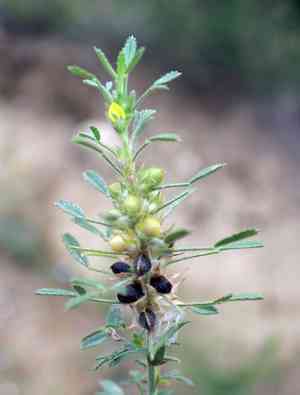
The most suitable period for transplanting yellow restharrow is as spring invigorates the earth, providing a mild environment conducive to root development. Select a bright spot featuring good drainage. Exercise caution during the move to safeguard fragile root structures.
What Preparations are Needed Before Transplanting Yellow Restharrow?
What is the Ideal Time for Transplanting Yellow Restharrow?
The most favorable period for moving yellow restharrow is from early spring until the start of summer. Performing this during its vigorous growth phase ensures optimal root establishment. Choosing this timeframe for yellow restharrow's relocation guarantees a smooth adjustment to its new environment, boosting its health for the upcoming flourishing seasons. This guidance is offered with the best intentions to support your gardening success.
How Much Space Should You Leave Between Yellow Restharrow Plants?
Excellent choice to include yellow restharrow in your garden! When you're ready to move them, allow each plant sufficient room to thrive. Aim for approximately 15-20 cm (6-8 inches) between individual plants. This will provide them ample space to develop strongly without being crowded.
What is the Best Soil Mix for Yellow Restharrow Transplanting?
Before introducing yellow restharrow to its new spot, let's get the soil ready! Yellow restharrow prefers well-drained soil enriched with some organic material. Incorporate compost or a balanced, slow-release fertilizer to supply yellow restharrow with the necessary nutrients for robust growth.
Where Should You Relocate Your Yellow Restharrow?
Now, where will yellow restharrow bask in the sun? Select a bright location where sunlight can reach its foliage for most of the day. Full sun will keep yellow restharrow content, so consider a spot that receives at least 6 hours of direct sunlight daily.
What Equipments Should You Prepare Before Transplantation Yellow Restharrow?
Gardening Gloves
To safeguard your hands while handling soil and plants.
Spade or Shovel
For excavating the plant and preparing the new planting site.
Watering Can or Hose
To gently hydrate the plant before and after its relocation.
Pruning Shears
To trim any damaged roots or stems as required.
Wheelbarrow or Plant Pot
For moving the plant from its original spot to its new one if needed.
Soil Knife or Hand Trowel
For precise tasks and minor adjustments around the root system.
Rooting Hormone (optional)
To stimulate root development post-transplantation.
Mulch
To aid in retaining soil moisture and regulating soil temperature after moving.
How Do You Remove Yellow Restharrow from the Soil?
How Do You Remove Yellow Restharrow from the Soil?
From Ground: First, water the yellow restharrow plant to moisten the soil. Next, dig a wide trench around the plant using a shovel or spade, ensuring the plant's root ball stays intact. Carefully work the spade beneath the root ball to lift the plant from its initial position.From Pot: Begin by watering the soil in the pot to facilitate root and soil separation. Gently tilt the pot sideways and tap it to loosen the plant. Gradually pull the yellow restharrow by its base, supporting the root ball, until it slides out.From Seedling Tray: Water the seedlings first to soften the soil. Use a soil knife or hand trowel to carefully separate individual yellow restharrow seedlings, making sure each has a healthy amount of roots attached. Handle them delicately to prevent harm.
Step-by-Step Guide for Transplanting Yellow Restharrow
Preparation
Water your yellow restharrow plant thoroughly the day before transplanting to reduce stress on the plant and help keep the root ball together during removal.
Removal
Follow the appropriate removal procedure from its original location, whether from the ground, a pot, or a seedling tray, ensuring the root ball remains undamaged.
Hole Preparation
Dig a hole in the new location large enough to comfortably accommodate the yellow restharrow's root ball. Ensure the hole is twice as wide as the root ball to allow for easier root expansion.
Plant Inspection
Before transplanting, examine the yellow restharrow's roots, trimming any that are damaged or diseased. If planting multiple yellow restharrow plants, space them adequately according to their mature size.
Transplanting
Carefully place the yellow restharrow plant in the prepared hole, adjusting it so the top of the root ball is level with the surrounding soil surface. Gently backfill the hole with soil, firming it around the plant to eliminate any air pockets.
Watering
Water the yellow restharrow plant immediately after transplanting to settle the soil around the roots and remove any remaining air pockets.
Mulching
Apply a layer of mulch around the base of the yellow restharrow, being careful to keep it away from the stem to prevent rot.
How Do You Care For Yellow Restharrow After Transplanting?
Monitoring
Inspect the yellow restharrow daily for the initial couple of weeks, looking for indicators of stress such as wilting or discolored foliage.
Watering
Maintain consistent moisture in the soil around the yellow restharrow for the first few weeks post-transplant, avoiding over-saturation. Watering frequency may vary with weather conditions.
Mulching
Ensure the mulch stays in place and does not touch the plant's stem. Replenish as needed to maintain soil moisture and temperature levels.
Supports
If the yellow restharrow is tall or top-heavy, consider providing stakes or other support until it is firmly established in its new spot.
Pruning
Trim any stems or leaves that show signs of damage or stress after transplanting to encourage healthy new growth.
Troubleshooting Common Issues with Yellow Restharrow Transplantation.
What's the best time to transplant yellow restharrow?
The optimal period for relocating yellow restharrow is during the mild shift from early to late spring.
How far apart should I space yellow restharrow when transplanting?
Position yellow restharrow approximately 6-8 inches (15-20 cm) apart to allow each plant ample room to flourish without competition.
Why is my yellow restharrow wilting after transplanting?
Post-transplant wilting often indicates shock. Ensure adequate soil hydration, initially avoid direct sunlight, and gently firm the soil around the roots after transplanting.
What soil condition is best for yellow restharrow when transplanting?
For optimal development, transplant yellow restharrow into well-draining soil, rich in organic matter, and with moderate moisture.
How deep should I plant yellow restharrow's root ball?
The root ball should be positioned so its top is level with the surrounding ground to encourage proper growth.
Can I transplant yellow restharrow on a hot, sunny day?
It's preferable to transplant yellow restharrow on a cooler, overcast day to minimize transplant shock and water loss through evaporation.
Should I fertilize yellow restharrow immediately after transplanting?
Waiting a few weeks before fertilizing allows yellow restharrow to settle and root growth to commence, reducing the risk of fertilizer burn.
How should I water yellow restharrow after transplanting?
Water your yellow restharrow thoroughly after transplanting to settle the soil, then maintain consistent moisture without overwatering.
Why are the leaves of yellow restharrow yellowing after transplanting?
Yellowing leaves may suggest over-watering or inadequate drainage. Ensure the soil is moist but not waterlogged, providing good drainage for your yellow restharrow.
How do I protect yellow restharrow during cold snaps after transplanting?
Cover yellow restharrow with a frost blanket or straw mulch if unexpected frost threatens, and remove the cover once the danger has passed.



