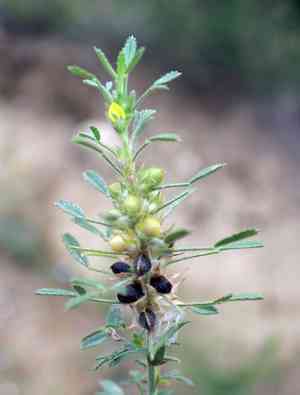
Yellow restharrow (Ononis pusilla)
Also known as: Small Restharrow
Yellow restharrow (Ononis pusilla), part of the pea family, is best observed in its natural environment during the spring and summer months when its vivid yellow three-petaled flowers are in bloom. This plant thrives in rocky soils and can also be found in open pine forests.
In This Article
Attributes of Yellow restharrow
Lifespan
Perennial
Plant Type
Herb, Shrub
Plant Height
10-30 cm
Spread
N/A
Leaf Color
Green
Flower Size
Approximately 1 cm
Flower Color
Yellow
Images of Yellow restharrow
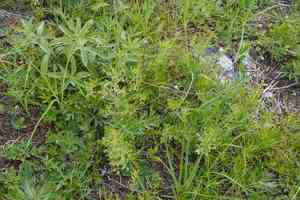
Quickly Identify Yellow restharrow
1
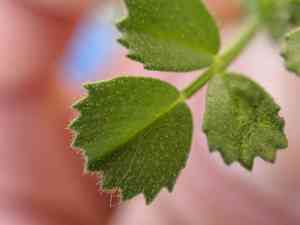
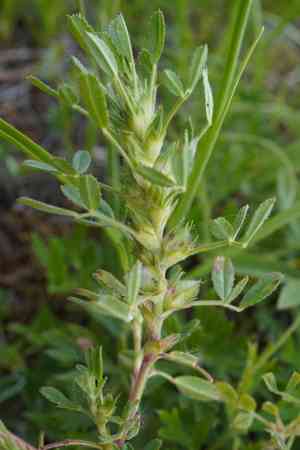
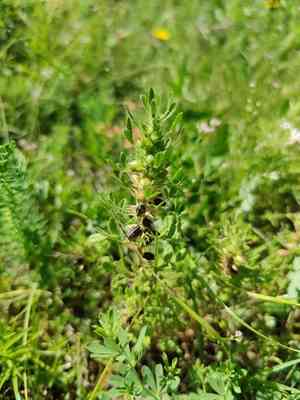
To identify Ononis pusilla, look for its small, pink flowers that bloom along the stems, typically in clusters. The plant has trifoliate leaves and a rough, hairy texture.
Scientific Classification of Yellow restharrow
Phylum
Vascular plants
Class
Dicotyledons
Order
Fabales
Family
Legume
Genus
Ononis
Species
Yellow restharrow
Planting and Growing of Yellow restharrow
Care Difficulty
Easy
Watering Schedule
Every 4 days
Sunlight Requirements
Partial sun
Sunshine Duration
6-12 hours
Ideal Temperature
60-72℉
Soil Type
Potting Mix, Peat Mix
Soil pH
6.5-7.5
Fertilizer Type
Balanced
Pruning Season
Spring, Summer
Pruning Area
Branches, Leaves
Pruning Frequency
2 times a year
Repotting Season
Spring
Pot Type
Plastic, Ceramic
 How to Water Yellow restharrow?
When watering Ononis pusilla, aim to use approximately 200 milliliters of water per session. The key principle is to ensure the soil is moist but not waterlogged. Water until you see moisture reaching the drainage holes, but avoid letting the plant stand in excess water as it could lead to root rot.
What are the symptoms of an underwatered Yellow restharrow?
›
What should I do if my Yellow restharrow is not getting enough water?
›
What are the symptoms of an overwatered Yellow restharrow?
›
How to save an overwatered Yellow restharrow?
›
 What Are the Sunlight Requirements for Yellow restharrow?
Ononis pusilla thrives ideally under partial to full sun, necessitating a delicate balance of light intensity and duration. Reaching for such light availability ensures the plant achieves the necessary photosynthesis for vitality, displaying vigorous growth, enhanced flowering, and greater disease resistance, creating a robust ornamental display.
What type of lighting does Ononis pusilla prefer?
›
What are common solutions for achieving ideal lighting?
›
What are the benefits of providing ideal light conditions?
›
 What Is the Ideal Temperature Range for Yellow restharrow?
Ononis pusilla thrives best in environments where the temperature remains consistently between 60°F and 72°F. This range provides the ideal conditions for its metabolic processes and overall growth, promoting healthy foliage and vibrant blooms.
 What Soil is Best for Yellow restharrow?
Ensuring the soil is well-drained is crucial for Ononis pusilla. This plant prefers environments where water can easily pass through, preventing root rot and ensuring an oxygen-rich root zone, ultimately leading to healthier growth. While Ononis pusilla can tolerate poor soils, it truly thrives in nutrient-rich compositions that provide essential minerals for robust growth. Supplementing with organic matter can enhance soil fertility, promoting vigorous plant development. Maintaining moderate moisture levels without waterlogging is key. This benefits Ononis pusilla by encouraging sturdy root systems, leading to better drought resistance while ensuring the plant doesn't suffer from water stress.
 How to Fertilize Yellow restharrow?
When fertilizing Ononis pusilla, aim to apply a balanced general-purpose fertilizer at half the recommended strength. This plant thrives with less concentrated feedings. Too much fertilizer can lead to a buildup of salts in the soil, which is harmful. Mix the fertilizer with water and ensure it's well-dissolved before application, using around half a teaspoon per gallon of water for liquid feeding.
 How to Prune Yellow restharrow?
Begin by examining your Ononis pusilla for any dead, damaged, or diseased branches and cut them back to healthy tissue. Trim the plant to maintain its natural shape, making sure to remove any wayward branches that disrupt the desired form. Prune back some of the new growth to a pair of leaves to promote a bushier appearance. This not only makes your Ononis pusilla more compact and attractive but also encourages a robust foliage display.
More About Pruning Techniques→
 How to Propagate Yellow restharrow plant?
1
Gather mature seeds from existing Ononis pusilla plants during the late autumn when the seed pods have dried. Clean and dry the seeds thoroughly before storage.
2
Select healthy branches from the parent plant in early spring. Cut 5- to 10-centimeter sections, ensuring each cutting includes at least one node for successful root development.
3
Sow seeds in a seed tray filled with a well-draining potting mix in spring. Cover lightly with soil and water gently. For cuttings, dip the cut end in rooting hormone and plant in moist soil.
 How to Repot Yellow restharrow plant?
1
Ononis pusilla should be repotted when you notice the roots winding around the pot interior or emerging from the drainage holes. Another sign is when growth seems stunted despite optimal conditions. Spring and autumn are ideal, as the plant is in a dormant state and less stressed.
2
Opt for a pot that is no more than 2 inches larger in diameter than the current one. Ensure it has ample drainage holes to prevent waterlogging. A larger pot confines the roots initially, encouraging robust growth while avoiding water retention issues.
3
A well-draining, sandy mix is perfect for Ononis pusilla. This soil type mimics its natural environment, ensuring roots have enough aeration and moisture does not accumulate, preventing rot and promoting healthy, vigorous growth.



