How to Transplant Mottled Toothedthread?
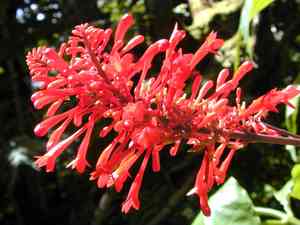
The ideal period for relocating mottled Toothedthread is from late spring through mid-summer, fostering strong root development. Select a spot with ample, filtered light and amend the soil for peak vitality.
What Preparations are Needed Before Transplanting Mottled Toothedthread?
What is the Ideal Time for Transplanting Mottled Toothedthread?
The optimal period to relocate mottled Toothedthread is from late spring through mid-summer. This timeframe provides an excellent combination of warm soil and moderate temperatures, fostering strong root development. Moving mottled Toothedthread at this point ensures the plant has ample opportunity to establish itself prior to the colder months. It's an effective strategy to give your mottled Toothedthread a head start, leverage the peak growing season, and enjoy abundant, vibrant results in your garden.
How Much Space Should You Leave Between Mottled Toothedthread Plants?
When relocating your mottled Toothedthread, ensure a comfortable 2-3 feet (60-90 cm) separation from other plants. This is a fundamental guideline, allowing your plants to expand and thrive without impeding each other's growth!
What is the Best Soil Mix for Mottled Toothedthread Transplanting?
For a thriving mottled Toothedthread, prepare a soil bed of loam or sandy soil. These types offer good drainage, which is excellent for this perennial. Remember to apply a base fertilizer to stimulate initial growth. Organic compost is highly beneficial for this purpose.
Where Should You Relocate Your Mottled Toothedthread?
Here's a sunny tip: mottled Toothedthread thrives in a bright location with partial sunlight. Avoid intense, direct afternoon sun. Seek a balanced spot, receiving morning or late afternoon sun. This is perfect for mottled Toothedthread to flourish.
What Equipments Should You Prepare Before Transplantation Mottled Toothedthread?
Gardening Gloves
To protect your hands from potential harm or irritation while handling the mottled Toothedthread plant and working with soil.
Shovel or Spade
You'll need this tool to excavate the plant from its original spot and to prepare the new planting hole.
A Tarp or Bucket
To move the mottled Toothedthread plant from its initial location to its new planting site, minimizing damage to the root ball.
Pruning Shears
These may be necessary to trim any damaged or excessively long roots.
Watering Can
To provide water to the plant during and after the transplanting process.
Mulch
Applying mulch around the base of the plant will help safeguard the roots and maintain optimal soil conditions.
How Do You Remove Mottled Toothedthread from the Soil?
How Do You Remove Mottled Toothedthread from the Soil?
From Ground: If the mottled Toothedthread plant is currently in the ground, first, gently moisten the soil with water. This will help keep the root ball intact while digging up the plant. Use your shovel or spade to dig a circle around the plant, ensuring you're at a safe distance to avoid harming the roots. Push your tool deep enough to encompass the entire root ball, then carefully lift the plant.From a Pot: For a potted mottled Toothedthread plant, first lightly water the soil to reduce dust. Hold the plant at its base and turn the pot sideways while gently tapping or squeezing to release the plant. Avoid pulling the plant by its stem.From a Seedling Tray: If transplanting seedlings of mottled Toothedthread, initially water the tray and allow it to soak. Gently push the seedling out from the bottom or tilt the tray to slide it out while carefully holding its leaves.
Step-by-Step Guide for Transplanting Mottled Toothedthread
Preparing the Plant
Before beginning, thoroughly water the mottled Toothedthread plant and let it sit for a few hours. This will reduce stress on the plant during the process.
Digging the Hole
The new planting hole should be twice as wide and the same depth as the root ball. This provides ample space for the roots to spread and grow.
Placing the Plant
Position mottled Toothedthread in the center of the hole. The top of the root ball should be level with the surrounding soil surface.
Backfilling
Fill the hole around the plant with garden soil, pressing down gently to remove any air pockets.
Watering
Water the plant thoroughly after transplanting. This helps the soil settle firmly around the roots.
How Do You Care For Mottled Toothedthread After Transplanting?
Watering
Water the plant thoroughly immediately after transplanting, and keep the soil consistently moist (but not waterlogged) for the initial few weeks. This will aid the mottled Toothedthread plant in establishing itself in its new location.
Pruning
Remove any dead or damaged leaves, but refrain from extensive pruning for the first several months to minimize stress on the plant.
Monitoring
Closely observe the transplanted mottled Toothedthread for a clear response to transplanting, such as healthy new growth or any indications of transplant shock like wilting or discolored leaves. Prompt action can prevent further damage.
Mulching
Apply a layer of mulch around the mottled Toothedthread plant, ensuring it doesn't touch the stem; this helps retain moisture and control weeds.
Troubleshooting Common Issues with Mottled Toothedthread Transplantation.
When is the best time of year to transplant my mottled Toothedthread?
The optimal period to relocate your mottled Toothedthread is during the third to fifth season. This offers the plant the best chance to establish roots before seasonal changes.
How much space should I leave between mottled Toothedthread when planting it?
For ideal growth, ensure a gap of approximately 2-3 feet (60-90 cm) between each mottled Toothedthread. Proper spacing allows sufficient light and air circulation.
What steps should I follow when transplanting my mottled Toothedthread?
First, select the ideal time for transplant. Prepare the new site by digging a hole. Gently lift mottled Toothedthread and place it in the hole, then backfill. Finally, water thoroughly.
How should I prepare the new location to transplant my mottled Toothedthread?
Clear any weeds and dig a hole twice as wide as mottled Toothedthread's root ball. The depth should match the plant's previous setting. Add a layer of compost if needed.
How do I ensure the roots of my mottled Toothedthread do not get damaged during transplantation?
When lifting mottled Toothedthread, try to extract as much of the root ball as possible. Handle the plant gently and plant it promptly to prevent root exposure to air and sunlight.
What should I do if my transplanted mottled Toothedthread doesn't seem to thrive?
Check for signs of stress such as wilting or yellow leaves. Ensure adequate watering, appropriate spacing, and minimal competition from nearby plants. If these measures fail, it's advisable to consult an expert.
Does mottled Toothedthread require any special care during the first few weeks post-transplant?
Yes, mottled Toothedthread needs attentive care after transplant. Water it regularly, shield it from harsh weather, and closely monitor for any signs of plant stress.
How do I know if my mottled Toothedthread has settled well post-transplant?
Successful transplanting should result in new growth within a few weeks. Look for fresh shoots or leaves. If the plant appears dormant for an extended period, review your transplanting process.
How can I minimize transplant shock in mottled Toothedthread?
Minimize root exposure, keep the original soil around the roots during transfer, and provide extra care including watering and mulching after transplant. This will help prevent transplant shock in mottled Toothedthread.
What type of soil works best for transplanting mottled Toothedthread?
Mottled Toothedthread prefers well-drained soil enriched with organic matter. If your soil type is either clay or sandy, consider adding compost to improve its structure.



