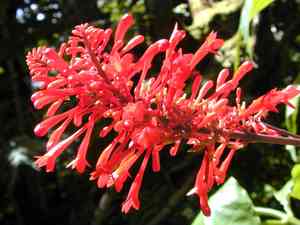
Mottled Toothedthread (Odontonema cuspidatum)
Also known as: Firespike, Scarlet Firespike, Cardinal-Spear
Mottled Toothedthread (*Odontonema cuspidatum*) is a perennial evergreen native to Mexico and Central America. The genus name "Odontonema" derives from the Greek words for "tooth" and "thread."
In This Article
Attributes of Mottled Toothedthread
Lifespan
Perennial
Plant Type
Herb, Shrub
Plant Height
1.2 m to 1.8 m
Spread
60 cm to 1.2 m
Leaf Color
Green
Flower Size
2.5 cm to 5 cm
Flower Color
Red
Images of Mottled Toothedthread

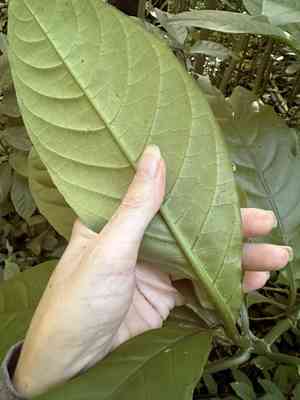


Quickly Identify Mottled Toothedthread
1
Look for bright red flower spikes and dark green, spear-shaped leaves. The flowers are tubular and bloom in clusters.
Scientific Classification of Mottled Toothedthread
Phylum
Vascular plants
Class
Dicotyledons
Order
Lamiales
Family
Acanthus
Genus
Toothedthreads
Species
Mottled Toothedthread
Planting and Growing of Mottled Toothedthread
Care Difficulty
Easy
Watering Schedule
Every 4 days
Sunlight Requirements
Partial sun
Sunshine Duration
4-6 hours
Ideal Temperature
60-75℉
Soil Type
Potting Mix, Peat Mix
Soil pH
6.5-7.5
Fertilizer Type
Balanced
Pruning Season
Spring, Summer
Pruning Area
Branches, Leaves
Pruning Frequency
Once a year
Repotting Season
Spring
Pot Type
Plastic, Ceramic
 How to Water Mottled Toothedthread?
Odontonema cuspidatum generally requires watering until the soil feels moist, but not waterlogged. The best practice is to ensure the water drains well and does not leave the soil soggy, which can harm the roots.
What are the symptoms of an underwatered Mottled Toothedthread?
›
What should I do if my Mottled Toothedthread is not getting enough water?
›
What are the symptoms of an overwatered Mottled Toothedthread?
›
How to save an overwatered Mottled Toothedthread?
›
 What Are the Sunlight Requirements for Mottled Toothedthread?
Odontonema cuspidatum flourishes in partial sun to full shade. This lighting encourages a robust blooming cycle and enhances the plant's vibrancy, ensuring healthy growth and disease resistance.
More About Sunlight Requirements Techniques→
What is the optimal light intensity?
›
How to achieve ideal lighting for this plant?
›
Benefits of providing ideal lighting conditions
›
 What Is the Ideal Temperature Range for Mottled Toothedthread?
The optimal temperature range for Odontonema cuspidatum is between 60°F and 75°F. This tropical plant thrives best in warmer climates where the temperatures consistently remain within this range. Maintaining this temperature ensures vibrant foliage and robust growth, as it mimics the plant's native habitat conditions closely.
 What Soil is Best for Mottled Toothedthread?
Odontonema cuspidatum thrives in well-draining soil types. Ensuring proper drainage prevents waterlogging, reducing the risk of root rot and ensuring the plant's robust growth. This plant benefits from a soil rich in organic matter. Such soil retains nutrients better, which is key for its vibrant foliage and vigorous blooming. Preferring a pH range of 6.5 to 7.5, Odontonema cuspidatum flourishes best in slightly acidic to neutral conditions. Proper pH levels ensure optimal nutrient absorption and healthy growth.
 How to Fertilize Mottled Toothedthread?
When fertilizing Odontonema cuspidatum, it's crucial to apply the right amount to avoid nutrient burn or deficiencies. For liquid fertilizers, use a balanced 20-20-20 formula diluted to half strength; typically, this equates to 1 tablespoon in 1 gallon of water. For granular fertilizers, follow the specific product instructions, usually around 1/4 cup per square foot of soil.
 How to Prune Mottled Toothedthread?
Start by inspecting the plant for dead, damaged, or diseased branches. These should be removed first to prevent the spread of diseases and also to help the plant direct more energy towards healthy growth. When trimming, make your cut just above a leaf node or where you want new growth to sprout. This encourages new shoots to develop from the cut points, resulting in a fuller plant. Ensure that the plant's interior has good airflow by thinning congested branches. Improved airflow reduces the risk of fungal infections and helps the leaves dry faster after watering or rain. While pruning, step back occasionally to assess the plant's overall shape. Aim for a balanced look to enhance both the plant's health and its visual impact in your garden.
More About Pruning Techniques→
 How to Propagate Mottled Toothedthread plant?
1
Select healthy stems that are free of pests and diseases. Use clean, sharp shears to cut a 4-6 inch segment just below a node. Remove the lower leaves and any flowers to reduce moisture loss.
2
Use a well-draining potting mix composed of peat and perlite. Fill propagation trays or pots with the mix and water it lightly to ensure it is evenly moist, allowing for good root aeration.
3
Dip the cut end of the cutting into a rooting hormone to promote faster root growth. Insert the cutting into the prepared potting mix, ensuring at least one node is buried below the surface.
 How to Repot Mottled Toothedthread plant?
1
Repot Odontonema cuspidatum when you notice roots coming out of the bottom of the pot, or if the plant's growth has significantly slowed down despite optimal care. Spring and summer are the best seasons for repotting, when the plant is in its active growth phase, allowing it to recover more swiftly and establish itself in the new potting environment.
2
Select a pot that is one size bigger than the current one and has drainage holes to prevent waterlogging, which can lead to root rot. The new pot should provide enough room for the roots to grow comfortably and ensure proper air circulation. A breathable material like unglazed clay can be beneficial for promoting healthier growth.
3
Use a well-draining potting mix tailored for tropical plants to ensure optimal moisture retention and air circulation around the roots. The ideal mix would include components like perlite or sand to enhance drainage, with organic matter to provide nutrients and mimic the plant's natural habitat.
Learn More About Mottled Toothedthread Diseases
Anthracnose
Bacterial Leaf Spot
Bacterial Soft Rot
Bacterial Wilt
Black Spot
Chemical Injury
Crown Gall
Damping-off
Downy Mildew
Drought Stress
Fusarium Wilt
Gray Mold
Leaf Curl
Leaf Spot
Mosaic
Nutrient Deficiency
Nutrient Toxicity
Powdery Mildew
Root Rot
Root-knot Nematode
Rusts
Sooty Mold
Spider Mites
Temperature Stress
Thrips Damage
White Mold



